A 400-Square-Foot Studio in East Hollywood Just Listed for $485,000 — And It Has Competition
Khushboo Siddhiwala
Jun 19, 2026 · 4 min read
Story
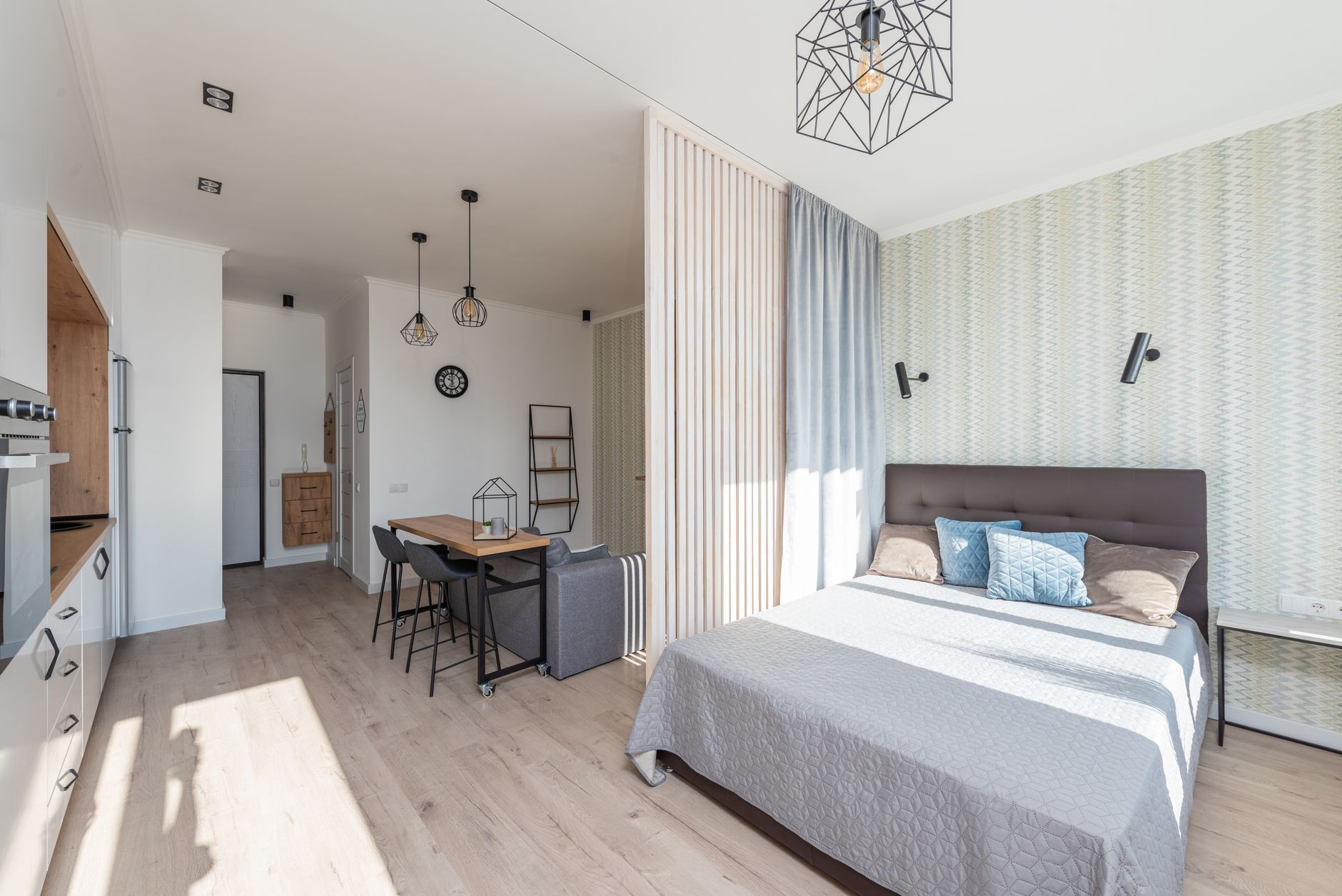
A 400-square-foot studio on North Kenmore Avenue in East Hollywood hit the market Wednesday at $485,000. The listing photos show a Murphy bed, a kitchenette with two burners, and a window that faces another building's brick wall. By Thursday afternoon, three offers had come in.
This is what under $500,000 looks like in California right now, and anyone who tells you the market is softening hasn't tried to buy a home with a five in front of the price.
I spent yesterday morning scrolling through every sub-$500K listing in Los Angeles, San Jose, Sacramento, and San Diego. The exercise was equal parts research and masochism. In San Jose, where the median home price now hovers around $1.4 million, the under-$500K category returns exactly seventeen results — all of them mobile homes in senior communities or parking spaces in downtown garages being marketed as "investment opportunities." One listing on South Bascom Avenue offers a deeded parking spot for $89,000. The description notes it's "close to light rail." So is the sidewalk.
San Diego tells a similar story. The few detached homes under $500K cluster in El Cajon and Spring Valley, where a three-bedroom on Jamacha Road listed at $479,000 needs what the agent delicately calls "vision and renovation capital." The photos suggest the vision required might be hallucination. In Sacramento — which just recorded the highest net inflow of any California metro, with 9,400 people arriving between December and February — the under-$500K market has become a demolition derby of competing offers on properties that would have sat for months just three years ago.
The conventional wisdom says California's housing crisis is about supply, about permitting delays, about NIMBYism in coastal cities. All true. But the under-$500K segment reveals something more uncomfortable: we have quietly eliminated the starter home from the California dream.
This wasn't a sudden disappearance. It happened incrementally, listing by listing, price increase by price increase, until the category that once defined first-time homeownership became a curio. The homes didn't vanish. They just graduated into the $600K, $700K, $800K brackets, leaving behind condos that feel like hotel rooms and mobile homes that require lot rent on top of your mortgage.
Sacramento's population surge makes perfect sense through this lens. The capital city has become California's last affordable outpost for buyers who refuse to leave the state but can't stomach the coast. A three-bedroom in Natomas lists for $475,000 — a price that would get you a studio in San Francisco or a garage in Palo Alto. The migration data from Redfin shows Sacramento pulling people not just from the Bay Area but from Los Angeles, from San Diego, from anywhere the math stopped working.
The state legislature seems to understand the problem, at least architecturally. SB543, which took effect this year, changed how ADU square footage is calculated — measuring interior space rather than exterior footprint. The difference sounds technical until you realize it means enough extra room for another bedroom. Suddenly, a backyard unit can house a family, not just a single tenant. It's a clever workaround to density restrictions, a way of adding housing without technically adding housing.
But here's what the policy conversations miss: the crisis has already reshaped who gets to stay. The under-$500K buyer in California is no longer a young couple saving for their first home. It's an investor buying a parking space for passive income. It's a retiree purchasing a mobile home. It's someone with cash from an out-of-state sale, competing against other transplants for the scraps of affordability.
The starter home was never just a financial product. It was a social contract — the idea that working people could build equity in the places they lived, that California wasn't just for those who arrived wealthy or got lucky with timing. That contract has been breached so slowly we barely noticed the signatures fading.
Those three offers on the East Hollywood studio will become a bidding war by Monday. Someone will pay over asking for 400 square feet and a view of brick. They'll call it a foot in the door, a start, an investment in the future.
They won't be wrong. But the door they're squeezing through used to be wide open.
Ecomstation.ai