A South Bay Starter Home Sold for $2.1 Million This Weekend While Silicon Valley's AI Elite Rewrote the Rules
Khushboo Siddhiwala
Jun 28, 2026 · 4 min read
Story
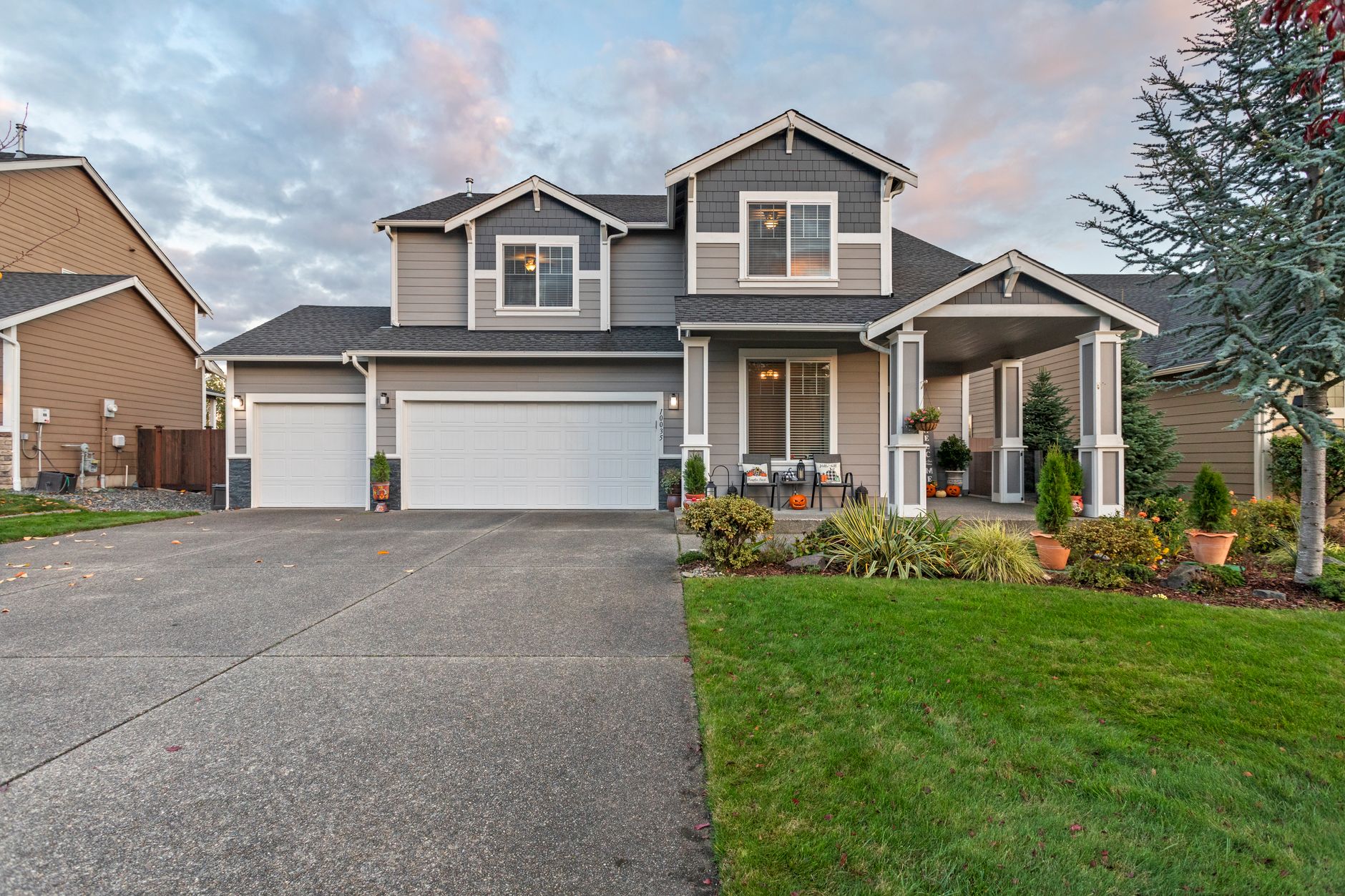
A three-bedroom ranch on a quiet cul-de-sac in Cupertino's 95014 ZIP code closed escrow Friday afternoon for $2.14 million—$340,000 over asking, all cash, no contingencies, eleven days on market. The buyer, according to neighbors who watched the moving truck arrive Saturday morning, works at an AI startup that just closed its Series C. The seller, a retired schoolteacher, had lived there forty-one years. She bought the place in 1985 for $187,000.
This is the California housing market in late June 2026: a study in violent contradictions that would give any economist whiplash.
Nationally, pending home sales just posted their steepest decline in three months—down 2.4% year over year, according to Redfin data released Friday. High mortgage rates hovering near 7.2% have frozen much of the country's buyer pool. The brief geopolitical panic surrounding the Iran conflict earlier this month spooked markets further, though Tuesday's ceasefire announcement may eventually ease lending conditions. Easter weekend pulled additional would-be buyers off the hunt. By every conventional metric, this should be a quiet moment.
But conventional metrics have stopped meaning much in the Bay Area, where the artificial intelligence boom has created a parallel economy operating under its own physics. The San Francisco Chronicle described it perfectly this year: the market has gone "from 25 mph to 100 mph." What reporters didn't fully capture is how localized that acceleration has become. This isn't a Bay Area story anymore. It's a neighborhood story, a street-by-street reckoning with who has AI money and who doesn't.
Drive fifteen minutes from that Cupertino ranch to East San Jose's 95122, and you'll find a different planet. Listings there are sitting sixty, seventy days. Price cuts have become routine. A four-bedroom on Alum Rock Avenue dropped $85,000 last week and still hasn't generated a single offer. The buyers aren't absent—they're geographically specific, chasing proximity to Apple Park, to Google's DeepMind outpost, to the constellation of generative AI companies clustered along El Camino Real.
San Francisco proper tells a similar fractured tale. The AI boom has pulled buyers back into neighborhoods they abandoned during the pandemic exodus. Open houses in Noe Valley and Cole Valley are drawing crowds again—not the frantic 2021 energy, but genuine interest from engineers and product managers who've been renting and waiting. Meanwhile, condos in SoMa that were supposed to represent the future of urban living continue to languish, their HOA fees climbing, their appeal diminished by lingering concerns about street conditions and office vacancies.
Scroll south to San Diego, and the narrative shifts again. Coastal enclaves like La Jolla and Del Mar remain resilient, buoyed by out-of-state wealth and a steady stream of remote workers who discovered they could trade San Francisco fog for year-round sunshine without changing employers. But inland neighborhoods—El Cajon, Santee, parts of Escondido—are feeling the national chill. Mortgage rates matter enormously when you're not paying cash, and most buyers in those communities are not paying cash.
Sacramento offers perhaps the starkest illustration of California's split-screen market. The capital region boomed during the pandemic as Bay Area refugees sought affordable square footage. That wave has receded. Inventory is climbing in suburbs like Elk Grove and Folsom. Yet certain pockets—particularly Land Park and East Sacramento, where tree-lined streets and walkable charm appeal to a different buyer psychology—are holding steady. The lesson is the same everywhere: desirability has become hyper-local, and the definition of desirable keeps narrowing.
Palm Springs, once a reliable refuge for weekend buyers from Los Angeles, is experiencing its own correction. The desert heat that seemed romantic during pandemic lockdowns has lost some luster. Short-term rental regulations have complicated investment calculus. Homes that would have sparked bidding wars in 2022 are now negotiating inspection repairs.
What does all of this mean for the ordinary Californian trying to buy or sell a home this summer? It means the statewide statistics are almost useless. It means your neighbor's experience three blocks over may have nothing to do with yours. It means the old rules—spring is best, Thursday listings outperform, curb appeal moves mountains—still apply, but they're being overwhelmed by forces that have nothing to do with landscaping or timing.
The deeper truth is uncomfortable: California real estate has always been a wealth barometer, but it's becoming a wealth seismograph, registering tremors from industries most people barely understand. That Cupertino schoolteacher didn't sell a house. She sold proximity to a technology revolution, and the market paid accordingly. The question nobody can answer yet is what happens when the next revolution starts somewhere else.
Ecomstation.ai