Average Home Price in Pasadena — What to Expect in 2026
Khushboo Siddhiwala
Sep 4, 2026 · 6 min read
Story
A classic three-bedroom Craftsman home on Los Robles Avenue in Pasadena changed hands for exactly $1,320,000, illustrating the highly competitive reality of the local housing market. This sale is not an outlier; it perfectly mirrors the average home price in Pasadena, which has solidified at $1,280,000 for single-family residences heading into 2026. For buyers trying to find their footing in the San Gabriel Valley, navigating this market requires looking past the broad county statistics and understanding the highly localized dynamics of these historic neighborhoods. Pasadena remains a staunch seller's market, where high demand routinely outpaces a chronically limited supply of architectural homes.
The Real Cost of Historic Preservation
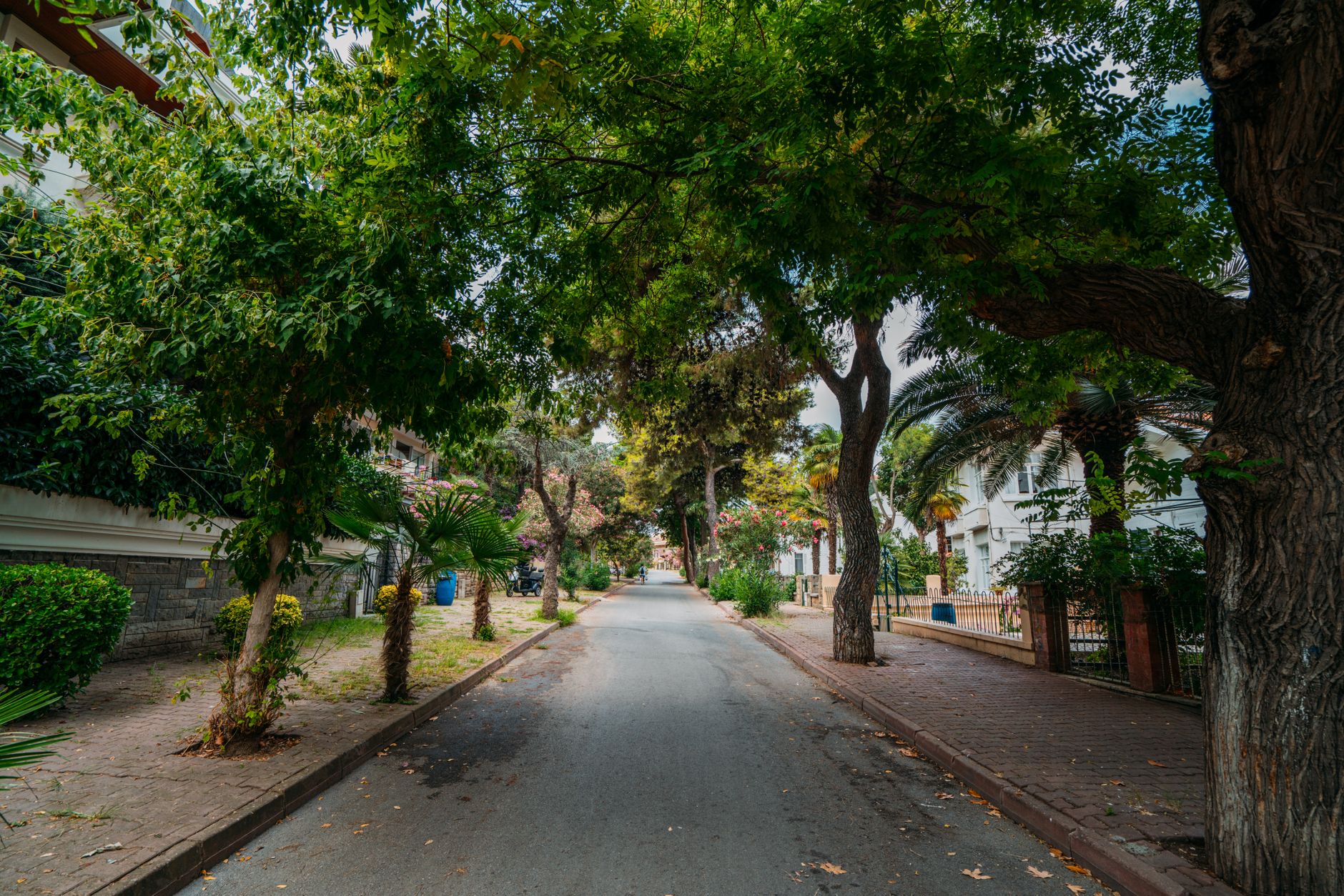
Pasadena does not build sprawling new tract-housing developments, which is precisely why values here resist the downward pressures felt by other Southern California suburbs. The city values its architectural heritage, protecting everything from mid-century modern estates to turn-of-the-century bungalows. This preservation culture creates an artificial ceiling on inventory. When you buy a home here, you are paying a premium for architectural integrity and mature canopy streets that cannot be replicated in newer master-planned developments. The local market dynamics show that homes sell at a median of forty-seven days, with a sale-to-list price ratio hovering right at one hundred percent. Buyers are paying the asking price because they know another buyer is waiting in the wings. This consistency keeps the average home price in Pasadena insulated from the broader macroeconomic shifts that occasionally shake the rest of Los Angeles County. While neighboring regions might see price corrections, this pocket of the San Gabriel Valley remains remarkably buoyant. Acquiring property here is less about timing the market and more about securing a foothold in a geographic area defined by physical boundaries and strict zoning laws.
Understanding the South Pasadena Premium
To understand the true landscape of the local market, one must distinguish between Pasadena proper and its independent neighbor to the south. South Pasadena operates on an entirely different financial plane, where buyers routinely pay fifteen to twenty percent more per square foot than the surrounding San Gabriel Valley. This premium is driven by a highly rated, self-contained school district and an exceptionally preserved, walkable downtown corridor. In over thirteen years of tracking this specific micro-market, local real estate specialists have never witnessed a sustained buyer's market in South Pasadena. The demand is relentless, and the inventory is even tighter than its northern neighbor. When looking at the average home price in Pasadena, buyers must decide whether they are willing to pay that extra square-foot premium to cross the border into South Pasadena, or if they prefer the grander scale and diverse neighborhoods of the main city. This choice shapes your long-term appreciation potential. While the main city offers grand estates in neighborhoods like Oak Knoll and the Arroyo Seco, South Pasadena offers a small-town insularity that commands top dollar. Both micro-markets require buyers to act with absolute certainty. The median price per square foot across the broader region reflects this demand, holding steady at values that make outside observers pause. Yet, the price tag is justified by a lifestyle that offers immediate access to cultural institutions like the Norton Simon Museum and the Huntington Library, alongside an easy commute to downtown Los Angeles.
Navigating the Competitive Landscape of 2026
Securing a home in this market requires a shift in strategy compared to shopping in more volatile parts of Southern California. With homes regularly selling at their exact listing price, lowball offers are virtually dead on arrival. Sellers are aware of the position they hold, but they are not necessarily looking for wild bidding wars; instead, they prize transaction certainty, clean contingencies, and quick closing timelines. A competitive offer often hinges on how clean the terms are rather than just the final number. Because the average home price in Pasadena represents a major capital commitment, buyers must enter negotiations with fully underwritten pre-approvals rather than simple pre-qualification letters. The competitive climate means that properties in desirable neighborhoods like Bungalow Heaven or Madison Heights attract multiple offers within their first two weeks on the market. If a property sits longer than the median forty-seven days, it usually signals a pricing misalignment rather than a lack of buyer interest. Successful transactions are executed by those who recognize that the value of these neighborhoods lies in their historical resilience. You are investing in an asset class that has historically shown a strong capacity to retain value through various economic cycles. The typical buyer in this region is often dual-income, highly educated, and deeply committed to the specific cultural fabric of the area. This demographic stability means the market is not driven by speculative flippers, but by long-term residents who intend to hold their properties for decades, further constricting the inventory pipeline.
Long-Term Real Estate Strategy in the San Gabriel Valley
When evaluating the average home price in Pasadena, the smart approach is to view your purchase through a generational lens rather than looking for a quick equity flip. The steady, single-digit annual appreciation seen in Los Angeles County is magnified here due to the sheer lack of land. The mountains block expansion to the north, and established historic districts prevent high-density redevelopment to the south and west. This geographic lock means your investment is protected by physical realities. To succeed here, buyers should focus on properties with classic architectural features that stand the test of time, rather than seeking out hyper-modern renovations that may lose their appeal in a decade. The timeless charm of a Craftsman, Spanish Colonial, or mid-century home will always command a premium in this specific market. Working with a local specialist who understands the block-by-block nuances of these neighborhoods is essential, as a difference of two streets can mean a swing of several hundred thousand dollars in valuation. By focusing on long-term stability rather than immediate market fluctuations, you position yourself to benefit from one of the most reliable wealth-building environments in Southern California. The goal is to secure a home that fits your lifestyle today while acting as a reliable anchor for your financial portfolio over the next twenty years.
Buying into this historic enclave is not merely a real estate transaction; it is an acquisition of a finite cultural commodity that cannot be manufactured elsewhere in Southern California.
Ultimately, the real secret of this market is that you are not just buying real estate; you are acquiring shares in a living museum where the supply is permanently capped, which changes how we must calculate the true cost of homeownership.
Frequently Asked Questions
Is South Pasadena more expensive than Pasadena proper? Yes, South Pasadena consistently commands a premium of fifteen to twenty percent more per square foot compared to the main city. This is primarily due to its highly regarded public school system, tight-knit community feel, and extremely limited housing inventory.
How long do homes typically stay on the market here? The median time on the market is approximately forty-seven days, though highly desirable properties in prime neighborhoods often receive multiple offers and go under contract within the first two weeks of listing.
Are buyers paying above asking price in this market? On average, homes sell for approximately one hundred percent of their listing price, representing a balanced yet highly competitive seller's market where clean offers and strong financial backing are required to win.
Ecomstation.ai