Bel Air Playbook: California Tiered Home Pricing at Faring Road
Khushboo Siddhiwala
Aug 12, 2026 · 6 min read
Story
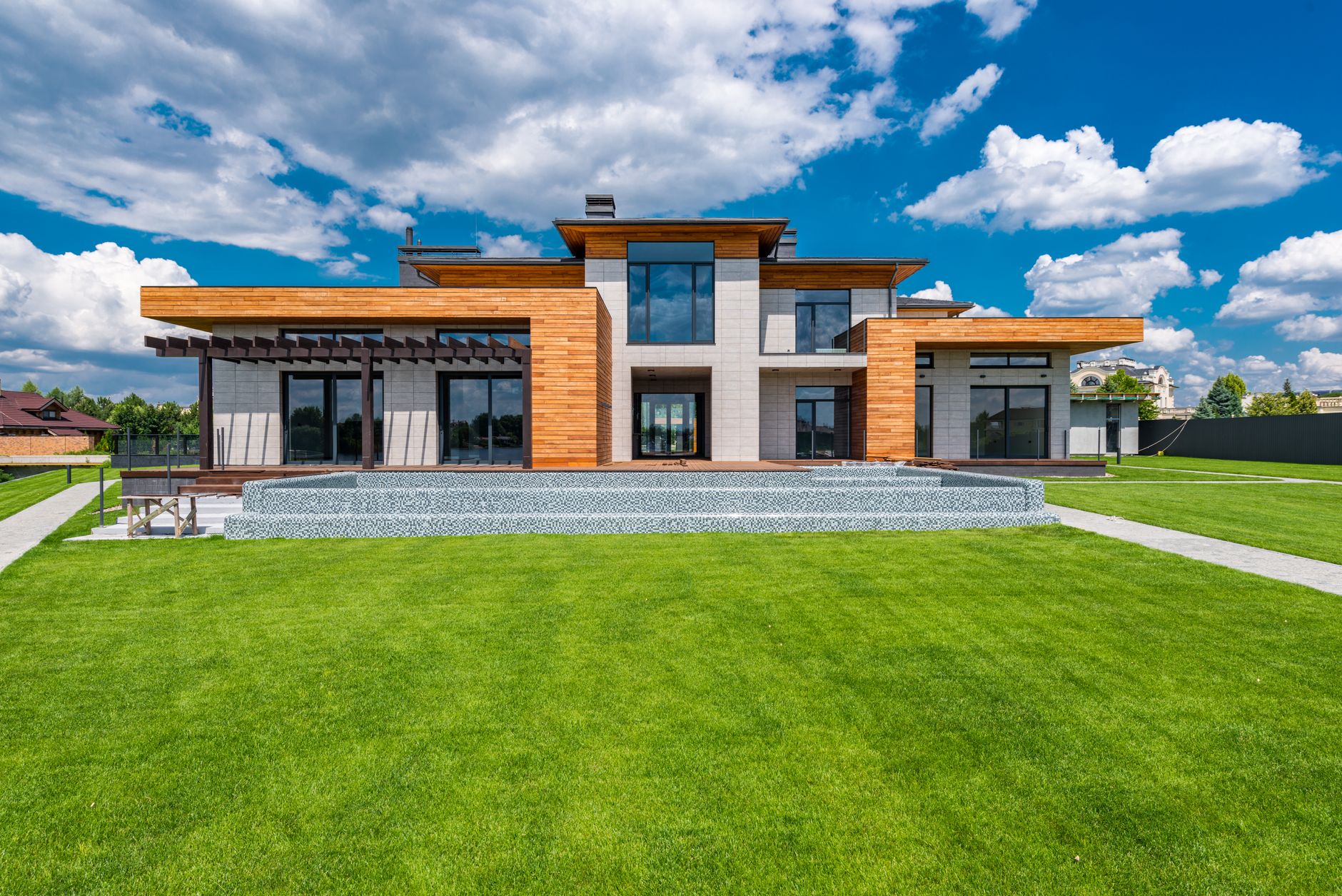
The gates at 423 North Faring Road in Bel Air do not just lock out the noise of Sunset Boulevard; they seal in a masterclass on how ultra-high-end inventory is moving this week. Sitting on one of the most coveted blocks in Los Angeles, this massive estate is a prime indicator of how the wealthiest buyers are navigating the market. As the summer heat peaks, understanding the mechanics of California tiered home pricing has become the ultimate strategy for anyone looking to make a move. The old rules of uniform appreciation are gone. Today, we are looking at a highly fragmented landscape where different price points behave like entirely separate economies, requiring a specialized approach for every zip code.
Decoding the Multi-Tier Market Split
To understand what is happening on the ground in Venice, particularly with architectural statements like 813 Palms, you have to look at the numbers. The luxury sector is operating on its own set of rules, largely immune to the rate anxieties that plague mid-tier buyers. According to the latest firsttuesday Journal reports, the California tiered home pricing system reveals a distinct divergence: the top tier remains resilient due to cash-heavy transactions, while the middle and lower tiers are highly sensitive to the economic whispers coming out of Sacramento. This creates a fascinating dynamic where a property in Newport Beach, such as the exclusive 8 Linda Isle estate, can command premium pricing while homes just a few miles inland are forced to make concessions to attract qualified buyers.
The real story of this market is not about a sudden crash or a wild boom, but about a calculated sorting of assets where buyers with liquidity dictate the terms of engagement.
This sorting mechanism is highly evident in the coastal enclaves. In places like Venice and Malibu, the demand for turnkey modern architecture remains white-hot. Buyers are willing to pay a premium to avoid the headaches of construction delays and skyrocketing material costs. When you analyze the mid-tier market in places like Pasadena or even the East Bay, however, the picture changes. Here, properties sit on the market longer, and sellers are finding that they must align their expectations with the real-world borrowing power of today's professional class. It is a stark reminder that the state real estate market is no longer a single ship rising and falling with the tide.
The Coastal Premium and AI Wealth Infusions
Moving north into the San Francisco Bay Area, the interaction between tech funding and real estate is becoming increasingly apparent. This August, as local venture capital firms announce new investment rounds in enterprise technology and AI startups, a fresh wave of liquid wealth is hitting the market. Founders and early employees are no longer waiting for traditional initial public offerings to cash out. Instead, they are using secondary market sales to fund home purchases. Many of these tech professionals are streamlining their search with advanced productivity platforms like Supaboard, allowing them to manage complex transactions while maintaining their intense work schedules in Silicon Valley.
This influx of tech-driven capital is keeping the high-end tier in San Francisco incredibly competitive, even as the lower tiers face inventory adjustments. The pricing structure in these neighborhoods is built on scarcity. When a well-located property in Palo Alto or Marin County comes to market, it immediately draws attention from buyers who are flush with recent funding. This phenomenon acts as a buffer against broader economic downturns, keeping local values elevated. However, this tech-fueled demand does not necessarily spill over into the suburban segments of the East Bay, where buyers are far more reliant on traditional financing and are deeply impacted by California tiered home pricing models.
Why Sacramento is Feeling the Pressure
The contrast becomes even more pronounced when you travel inland to Sacramento. While coastal areas benefit from international capital and tech windfalls, the inland valleys are shaped by state workers and local businesses. The local events calendar is packed this August with industry conferences and legislative sessions, but behind the scenes, the real estate conversation is dominated by affordability. Here, the tiered pricing structure shows that the entry-level home is the hardest hit. First-time buyers in these regions do not have the luxury of all-cash offers, making them highly vulnerable to minor fluctuations in mortgage rates.
This vulnerability has forced sellers in the suburban rings of Sacramento to adjust their expectations. The days of multiple offers within forty-eight hours of listing are largely behind us, unless a property is priced aggressively below the local median. Navigating the complexities of California tiered home pricing in these regions requires a complete shift in mindset for listing agents. Success in the current environment demands an intimate knowledge of regional pricing brackets. You cannot price a home in Sacramento using the same metrics you would use in Santa Barbara or Orange County; the buyer pools are looking at completely different financial realities.
Redefining the Value of Modern Amenities
The shift in buyer preferences is also redefining what constitutes value in a luxury home. In Palm Springs and other luxury desert retreats, buyers are no longer just looking for a beautiful pool and a view of the mountains. They are demanding integrated smart-home technology, off-grid energy capabilities, and advanced home office setups. As high-earners continue to embrace flexible work arrangements, the home has evolved from a simple sanctuary into a highly functional hub of daily productivity. This trend is driving a premium for properties that feature state-of-the-art infrastructure.
This search for hyper-functional spaces is not limited to the desert. In the coastal neighborhoods of San Diego, properties that offer dedicated workspace and eco-friendly technology are commanding higher prices within their specific pricing tier. Buyers are sophisticated; they know the cost of retrofitting an older home with modern technology and will gladly pay a premium for a property that is already optimized. This preference for forward-looking design is driving a wedge between modern, updated homes and older inventory that requires significant capital expenditure to bring up to current standards.
Ultimately, navigating the current landscape requires a willingness to look past the sensational headlines and focus on the hyper-local data. Whether you are tracking the latest multi-million dollar transaction in Bel Air or looking for an entry-level investment in Riverside, the key to success lies in understanding how your target property fits into the broader tiered structure. By analyzing regional trends, monitoring tech-driven wealth patterns, and acknowledging the changing demands of modern buyers, you can make informed decisions that position you ahead of the curve in this incredibly dynamic market.
Frequently Asked Questions
How does California tiered home pricing affect regular buyers?
The tiered pricing system means that different segments of the market react differently to economic changes. While the luxury tier may remain stable due to high cash reserves, the entry-level and mid-tier segments are much more sensitive to mortgage rate fluctuations and local employment trends, giving buyers in those tiers different levels of negotiating advantage.
What is driving the luxury market in the San Francisco Bay Area this season?
The luxury market in the Bay Area is heavily influenced by venture capital funding and the growth of the AI sector. Wealth generated from tech startups and secondary stock sales allows high-end buyers to make competitive, often all-cash offers, insulating this specific tier from the broader interest rate pressures felt in other regions.
Are inland cities like Sacramento experiencing the same trends as coastal areas?
No, inland cities are showing a different pattern. Without the heavy concentration of tech wealth or international buyers found in coastal regions, inland markets like Sacramento are more closely tied to local wage growth and traditional financing, resulting in more moderate price adjustments and longer days on market for mid-tier properties.
Ecomstation.ai