Campbell to Skid Row: Redrawing the California Housing Market 2026
Khushboo Siddhiwala
Sep 23, 2026 · 6 min read
Story
At exactly 9:00 AM on a crisp Tuesday morning in Campbell, ZIP code 95008, a quiet regulatory approval fundamentally transformed the local development landscape. The city approved its first-ever SB 684 project, signaling a swift and structural pivot for the California housing market 2026. This newly deployed legislative tool slashes the bureaucratic red tape that historically strangled small-lot developments, allowing builders to bypass lengthy conditional use permits and subdivision maps for projects under ten units. For developers holding residential parcels in dense urban infill zones, this policy shifts the timeline from years to mere months, unlocking immediate equity in high-demand pockets where land is scarce and buyers are desperate. The Campbell approval marks the first of many local ordinances designed to bypass zoning hurdles, laying a clear blueprint for density-focused builders. In a market locked up by elevated rates, these micro-developments are the primary vehicle for fresh inventory.
Silicon Valley AI Liquidity Speeds Up Inventory
While policy unlocks land, AI-fueled liquidity is clearing out the mid-tier inventory across San Francisco, ZIP code 94103, at a pace that defies broader macroeconomic headwinds. In the second and third price quartiles of the market, single-family homes are finding buyers in seven to ten days. This hyper-acceleration is directly tied to the massive influx of venture capital pouring into local tech hubs. Founders and early employees backed by massive Edge AI funding rounds and everyday tools like Juma, which has become a staple of local tech workflows, are cash-out buyers who bypass mortgage-rate friction entirely. This concentration of liquid wealth has insulated the Bay Area from the transactions drought affecting other regions. The premium for turn-key, entry-level luxury assets in the East Bay and Silicon Valley continues to widen, proving that the California housing market 2026 is a bifurcated ecosystem where tech wealth dictates the tempo of transaction volumes. Distressed or outdated properties are trading quickly as speculative builders convert them into high-end residences. The velocity of these sales indicates that well-capitalized buyers prioritize speed and location over financing costs, driving median sales prices in select neighborhoods up by 4.2% quarter-over-quarter despite elevated borrowing rates.
The Downtown Los Angeles Two Billion Dollar Gamble
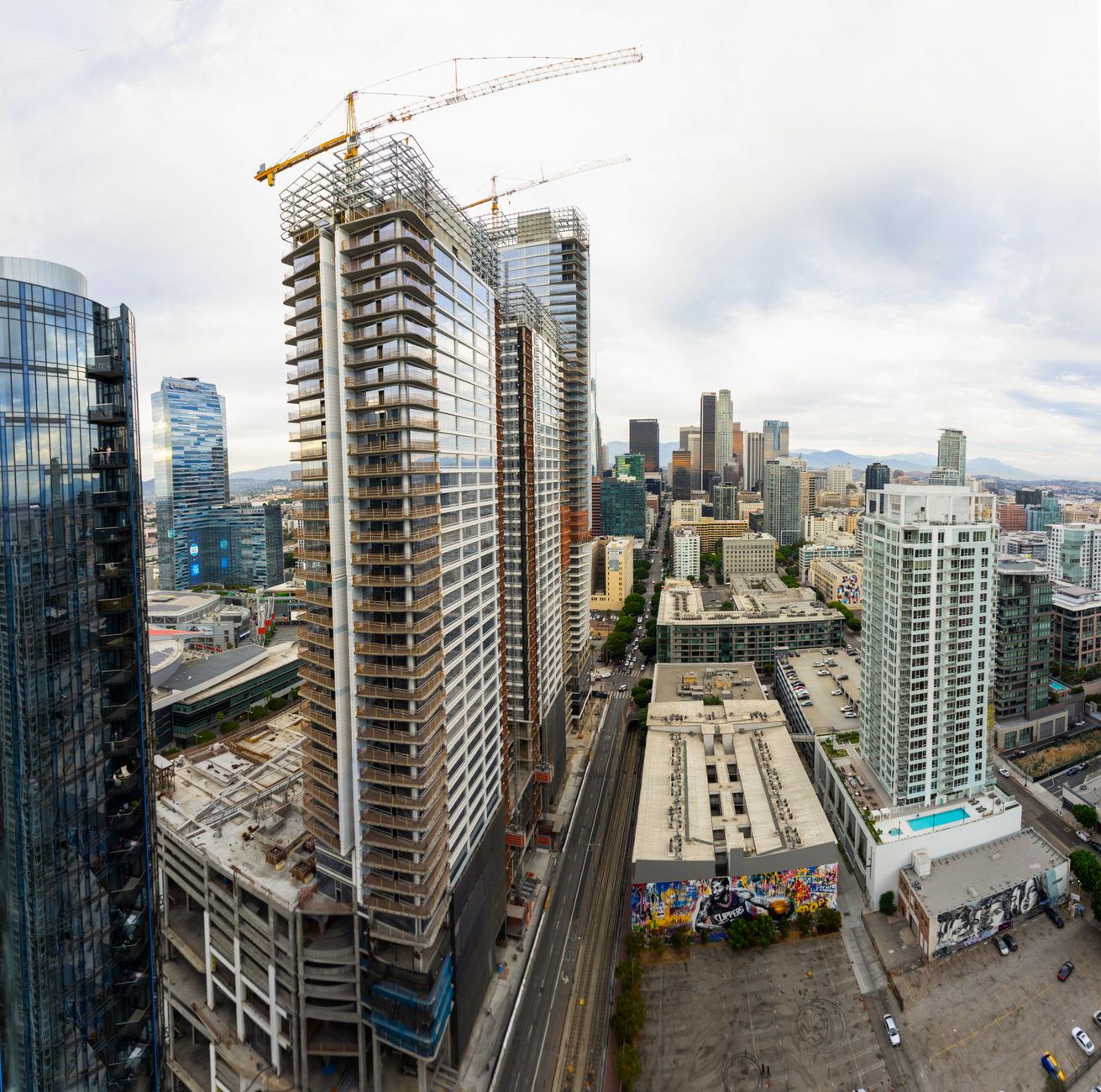
Further south, the scale of development shifts from nimble infill projects to colossal urban interventions. The Los Angeles City Council recently authorized a massive $2 billion mixed-use development project targeted directly at the edge of Skid Row, ZIP code 90013. This immense injection of capital aims to construct thousands of new housing units alongside commercial spaces, fundamentally altering the real estate calculus of the eastern edge of Downtown Los Angeles. Critics argue the project faces steep hurdles in a neighborhood long characterized by systemic disinvestment, but major institutional investors are betting on a multi-decade transformation. The surrounding submarkets of Arts District and Little Tokyo are already seeing speculative commercial acquisitions, with industrial-to-residential conversions trading at a premium of 12% over late-year averages. This massive injection of capital is expected to create a cascading gentrification effect, drawing in retail and dining concepts that will inevitably pull residential values upward. Analysts tracking the California housing market 2026 note that this project represents one of the largest municipal commitments to dense urban housing in Southern California history. As construction begins, local land prices within a half-mile radius of the project site have already risen by 8.5%.
The smart capital in California is no longer waiting for macro interest rate relief; it is chasing hyper-localized regulatory unlocks and massive infrastructure bets.
Infrastructure First in the Sacramento Valley
The search for yield is also pushing capital outward to the northern edges of the state. In Placer County, local officials greenlighted the first phase of the Placer Parkway project near Roseville, ZIP code 95747, with construction officially scheduled to commence this year. This multi-lane expressway will connect Highway 65 to Highway 99, opening up thousands of acres of agricultural land for master-planned suburban developments. Historically, infrastructure of this magnitude acts as a leading indicator for residential appreciation, often driving a 15% to 18% increase in land values prior to the completion of the first residential roof. Forward-looking homebuilders are already locking up options on parcels along this corridor, anticipating a wave of buyers migrating from Sacramento and the Bay Area in search of relative affordability. This movement highlights a critical trend in the California housing market 2026, where regional connectivity is dictating suburban demand. The Placer Parkway is not just a road; it is an economic artery that will support over 10,000 planned residential units in the next decade. Investors who acquire land in these secondary markets early in the construction phase stand to capture significant appreciation as the physical infrastructure nears completion.
Changing Construction Laws and the New Developer Math
Navigating the California housing market 2026 requires a rigorous understanding of the state's evolving legal framework. Newly enacted construction laws have rewritten the rules for contractor retentions and change-order processing, aiming to reduce the litigation bottlenecks that frequently stall mid-rise residential projects. Limits on retention on private developments to a maximum of 5% have eased cash flow pressures for general contractors, but they require developers to maintain tighter contingency funds. In cities like San Diego, ZIP code 92101, where high-density multifamily construction has slowed by 14% due to elevated financing costs, these regulatory refinements are the thin margin between a project breaking ground or remaining on the drawing board. Successful operators are adapting by partnering with specialized builders who can execute modular, pre-permitted designs. This legal shift is forcing developers to recalculate their internal rates of return and seek alternative financing structures to cover the upfront costs of construction. In a landscape defined by state-level pressure to build, the ultimate winners are not the investors waiting for interest rates to fall, but those who realize that regulatory workarounds and infrastructural layout lines are the new currencies of appreciation.
Frequently Asked Questions
How is SB 684 changing development timelines in Northern California?
In municipalities like Campbell, SB 684 allows developers to bypass traditional subdivision map hearings for qualifying urban infill projects under ten units. This streamlines the approval process from a typical eighteen-month timeline down to under six months, significantly lowering carrying costs and making small-lot developments highly profitable.
What impact will the $2 billion Downtown Los Angeles project have on nearby residential values?
The $2 billion project near Skid Row in Los Angeles, ZIP code 90013, is expected to act as an anchor for commercial and residential redevelopment. Property values in adjacent neighborhoods like the Arts District and Little Tokyo are anticipated to rise as institutional capital renovates older warehouses and increases local security and foot traffic.
Is the Placer Parkway construction driving immediate real estate speculation?
Yes, the approval of the first phase of the Placer Parkway near Roseville, ZIP code 95747, has led to a surge in land acquisitions by master-planned community developers. Land prices along the proposed corridor have seen preemptive increases as investors position themselves to capture the suburban expansion out of Sacramento.
Ecomstation.ai