Chasing Value in Rancho Santa Fe: How California Real Estate Trends Are Shifting
Khushboo Siddhiwala
Sep 5, 2026 · 6 min read
Story
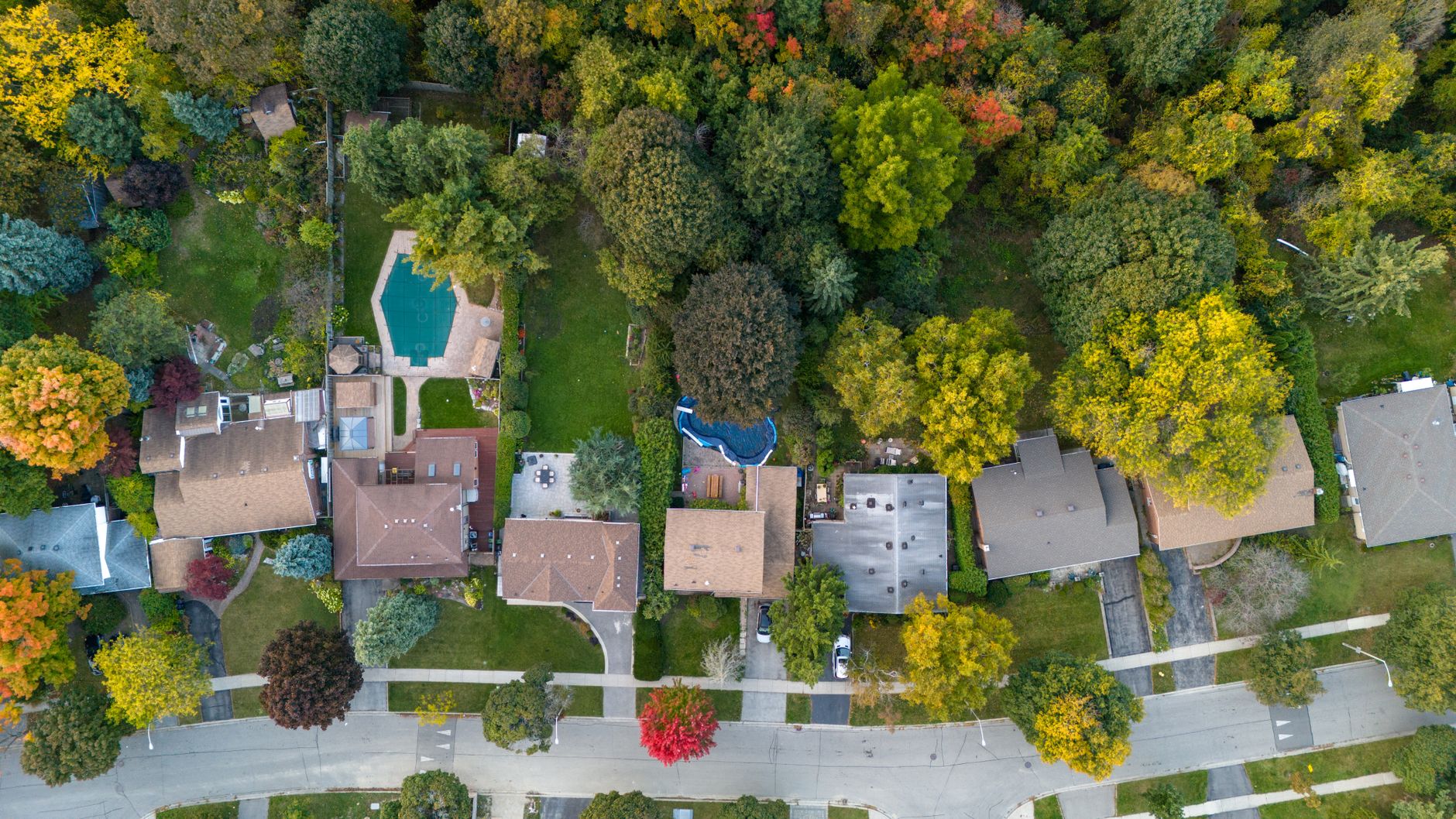
The sun-drenched pool deck at 5631 El Camino Del Norte in Rancho Santa Fe does not look like a battleground, yet its recent 17.5 million dollar transaction marks the frontline of a quiet revolution. As the summer of 2026 winds down, the local property landscape is experiencing a subtle but profound transformation. Despite statewide chatter of a cooling market, elite enclaves are defying simple categorization. These shifting dynamics are reshaping California real estate trends, proving that while the pandemic-era frenzy has vanished, the appetite for premium dirt has merely mutated into something far more strategic.
The Great Rebalancing of Southern California
Walk through the wrought-iron gates of Rancho Santa Fe today, and you will find a market where patience has replaced panic. Across San Diego County, inventory has ticked up by 1.43 percent year-over-year, giving affluent buyers something they have not possessed in half a decade: choices. The days of blind bidding wars over uninspected properties are over. Instead, we are seeing a highly calculated dance between sellers who remember the peak of 2024 and buyers who are acutely aware that mortgage rates are lingering stubbornly near 6.7 percent. This rate environment has created a psychological standoff, but it is not a freeze. Statewide, the median home price hovered near 904,640 dollars this summer, showing that values are not plummeting, but rather finding a solid plateau. While massive metropolitan centers experience slight inventory builds, the ultra-luxury tier continues to run on its own track. High-net-worth families are looking at these estates not merely as homes, but as long-term wealth preservation vehicles. The shift is palpable in the way escrow periods are stretching out. Buyers are demanding thorough structural reports, geological assessments, and detailed energy audits before signing. Sellers are discovering that even in Rancho Santa Fe, pricing a home correctly from day one is the difference between a clean thirty-day close and a listing that languishes on the market for months, eventually requiring a quiet price cut to spark interest.
The Silent Pivot in Orange County and Beyond
Just a short drive up the coast, the scene in Orange County offers a parallel to the developments in Rancho Santa Fe. According to Jane Kane, a veteran real estate and wealth advisor at Coldwell Banker Realty, the narrative of a blanket housing crash simply does not hold up when you look at the transaction sheets. Over the three months ending in late summer, Orange County home prices actually climbed by 3.2 percent compared to the previous year, reaching a formidable median price of 1.2 million dollars. What Kane describes as a more balanced market is actually a masterclass in strategic negotiation. Smart buyers are harnessing their newly recovered power to extract concessions that would have been laughed out of the room two years ago. We are seeing sellers cover closing costs, fund temporary mortgage rate buy-downs, and agree to extensive pre-sale repairs. This is the reality of the modern California real estate trends: it is a market defined by hyper-local micro-climates. While inland areas like Bakersfield have seen home values soften by 3.67 percent, coastal hubs remain stubbornly insulated. The demand is fueled by a steady influx of domestic migration from tech-heavy northern regions and a persistent, structural housing shortage that no amount of rate hikes can fully solve. For residents in Rancho Santa Fe and neighboring luxury pockets, this means the underlying equity in their estates remains incredibly secure, even if the velocity of sales has slowed to a more civilized pace.
How AI Funding is Rewriting Coastal Demographics
This stability is being supercharged by a massive economic engine: the unprecedented capital flowing into the artificial intelligence sector. Venture capital funding in North America shattered all-time records in the first half of 2026, with billions of dollars flowing directly into Silicon Valley and Southern California satellite offices. This surge of liquidity is not just staying on balance sheets; it is spilling directly into the luxury residential market. Young founders and early-stage employees, newly minted with liquid capital from massive funding rounds, are looking to diversify their portfolios. They are bypassing traditional tech hubs in favor of the privacy and space offered by Rancho Santa Fe. These tech-adjacent buyers are bringing a highly analytical approach to their acquisitions, forever altering traditional California real estate trends by treating luxury homes like venture assets. They do not buy on emotion; they use sophisticated data modeling and predictive analytics tools to evaluate properties. Many are adopting advanced consumer apps to manage their prospective real estate portfolios and run complex cash-flow scenarios. This injection of tech wealth has created a floor for high-end properties, preventing the price corrections seen in other luxury markets across the country. It is a symbiotic relationship: as AI startups secure massive war chests, the surrounding luxury markets reap the benefits in cash-heavy, fast-closing transactions. This influx of young wealth is altering the functional demands placed on these legacy estates. Traditional Mediterranean mansions are being retrofitted with state-of-the-art home automation, private server rooms, and off-grid energy systems, turning historic Rancho Santa Fe properties into modern, self-sustaining fortresses.
The New Blueprint for Golden State Buyers
For those navigating this landscape, the lesson is clear: the current market does not reward hesitation, nor does it tolerate reckless exuberance. We are entering an era where the most successful participants are those who understand that value is highly localized. A home in Lancaster, which saw a modest 0.22 percent increase in inventory, cannot be priced or analyzed using the same metrics as a coastal estate. The current California real estate trends favor the patient, highly informed operator who can identify when a property's list price has finally drifted into realistic territory. This is particularly true in Rancho Santa Fe, where the gap between ambitious initial pricing and actual market reality has widened, creating prime entry points for buyers with cash reserves. Sellers must abandon the nostalgic pricing models of the post-pandemic peak and adapt to an environment where buyers have the time and tools to conduct rigorous due diligence. The market is not failing; it is maturing. It is transitioning from a wild, speculative sprint into a calculated, strategic marathon.
The era of the accidental real estate tycoon is over, replaced by a market that demands rigorous analysis and surgical precision from both buyers and sellers.
Frequently Asked Questions
Why is the Southern California housing market seeing a price divergence between coastal and inland areas?
Coastal areas maintain high demand due to limited land, robust local wealth, and a constant influx of tech buyers, keeping prices insulated. Inland markets face fewer geographic constraints and are more sensitive to high mortgage rates, which cools buyer demand and softens prices faster. Keeping a close eye on these California real estate trends will help buyers identify the perfect moment to enter their chosen micro-market.
What should sellers do to attract serious buyers in this changing environment?
Sellers need to align their expectations with realistic comps and avoid speculative pricing. Buyers now have access to better diagnostic tools and more inventory choice, meaning homes that are overpriced will sit on the market. Partnering with localized advisors, such as Jane Kane of Coldwell Banker Realty, allows sellers to deploy targeted concession strategies, like rate buy-downs, which can entice qualified buyers without forcing an outright price cut.
How are tech wealth and AI venture capital funding specifically impacting neighborhoods like Rancho Santa Fe?
Record-breaking venture funding for artificial intelligence startups in 2026 has generated substantial liquid capital for founders who prioritize privacy, security, and estate-sized lots. This has made Rancho Santa Fe a primary destination for wealth diversification. This cohort of buyers brings analytical rigor to their purchases, accelerating transactions for turn-key, technologically advanced estates.
Ecomstation.ai