Cost of Living in Koreatown, California — A Real Breakdown
Khushboo Siddhiwala
Oct 17, 2026 · 6 min read
Story
Securing a modest one-bedroom apartment in Koreatown, Los Angeles costs an average of $1,995 per month, while purchasing a home across these dense 2.7 square miles carries a median valuation of $746,482. Understanding the cost of living in Koreatown, California requires looking past broad metropolitan averages and examining how this specific neighborhood functions day to day. Situated directly between Downtown Los Angeles and Hollywood, Koreatown delivers a distinct urban density that fundamentally alters how residents spend money. While rent sits slightly below the citywide median for central Los Angeles, hidden line items like reserved parking fees, higher-than-average utility rates in vintage buildings, and hyper-local dining spending can shift a monthly ledger dramatically. Whether you are budgeting for a studio at $1,566 or considering a median-priced condominium at $580,000, navigating the financial realities of living in central Los Angeles demands an honest accounting of housing, transit, food, and daily lifestyle expenses. Koreatown is neither cheap nor prohibitive; it is an active economic compromise where spatial trade-offs yield immediate access to mid-city urban culture.
Housing Realities: Renting, Buying, and Square Footage
Housing constitutes the largest fraction of expenses when calculating the cost of living in Koreatown, California. A studio unit commands approximately $1,566 per month, while a typical one-bedroom unit lands near $1,995. For households needing expanded footprints, two-bedroom units average $2,819, and three-bedroom apartments stretch to $3,734. The housing inventory reflects the architectural history of central Los Angeles, spanning 1920s brick art-deco structures to mid-century dingbats and newly minted glass high-rises along Wilshire Boulevard. Older vintage units frequently come at a lower sticker price, but they regularly trade away central air conditioning, in-unit laundry, and dedicated parking. On the homeownership side, property values sit around $746,482 overall, though entry-level condominiums frequently trade between $560,000 and $620,000. Townhomes sit closer to $725,000, while rare single-family homes exceed $1,050,000. For prospective buyers, homeowners association dues in high-density Koreatown buildings add anywhere from $350 to $700 per month to mortgage payments, covering shared amenities and structural maintenance. For young professionals unwilling to carry full lease commitments, coliving spaces have expanded rapidly, offering private bedrooms within shared suites for between $950 and $1,300 per month, all utilities included.
Parking Permits, Transit Lines, and Hidden Mobility Costs
Transportation is where the cost of living in Koreatown diverges sharply from the rest of Los Angeles. In a city famous for relentless car dependence, Koreatown stands out as one of the few genuinely walkable and transit-connected enclaves. The Metro D Line runs directly underneath Wilshire Boulevard, connecting residents to Downtown Los Angeles in under fifteen minutes, while dozens of arterial bus lines cross Vermont and Western Avenues. A monthly Metro pass costs $72, presenting massive potential savings for those able to forego personal vehicle ownership. However, for residents who keep a car, parking represents an aggressive secondary cost. Koreatown is the most densely populated neighborhood in Los Angeles County, and street parking after six in the evening is notoriously brutal. Many vintage apartment buildings lack off-street spaces, forcing renters to lease private spots in neighborhood garages for $150 to $250 per month. Beyond parking, automobile insurance in central Los Angeles zip codes runs roughly fifteen to twenty percent higher than in suburban surrounding communities due to traffic volume and street-parking claim risks. Fuel costs reflect general California premiums, but short driving distances within central Los Angeles mean lower total gas mileage for localized commuters. Balancing vehicle ownership costs against transit reliance remains a pivotal personal choice for managing the cost of living in Koreatown.
Groceries, Dining, and the Daily Lifestyle Dividend
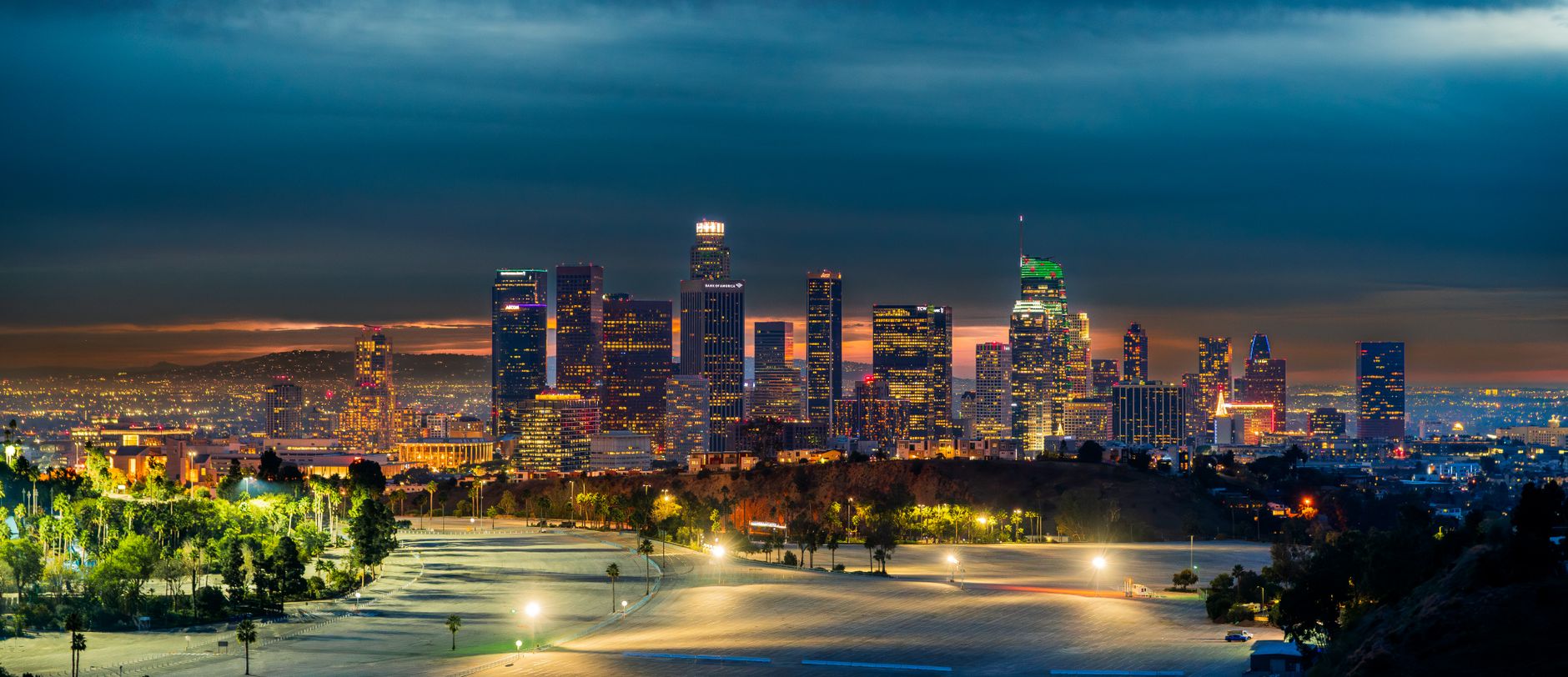
Living in Koreatown offers an unmatched urban dividend where high density trade-offs pay out directly in culture, night markets, and walkable transit.
Food and lifestyle costs within Koreatown are heavily influenced by the hyper-dense commercial ecosystem surrounding Wilshire Boulevard and 6th Street. Supermarkets like H Mart, California Market, and Hannam Chain offer imported Asian produce, fresh meats, and prepared pantry goods at prices that consistently undercut standard national grocery chains in Los Angeles. A single individual spending $350 to $450 per month on groceries can eat exceptional quality meals by shopping locally. However, Koreatown is equally renowned for its world-class food scene, packed with late-night pochas, Korean barbecue joints, and third-wave coffee shops. Dining out frequently can quietly erode a monthly budget. A standard dinner at a mid-tier Korean barbecue spot averages $35 to $50 per person before tax and tip, while specialized craft cocktails in local speakeasies run $16 to $20 each. Utilities also require careful calculation. Older apartment stock often relies on window AC units and radiator heating, leading to summer electricity spikes of $150 to $200 per month. Combined with average internet bills of $70, basic utility expenses easily total $220 to $300 per month. Evaluating the cost of living in Koreatown, California requires weighing these culinary conveniences against strict personal discipline.
The Monthly Ledger: Putting Total Expenses in Perspective
When assembling a full monthly financial profile for Koreatown, Los Angeles, individual circumstances dictate the final bottom line. A single renter occupying a standard one-bedroom apartment, maintaining a personal vehicle, and dining locally three nights a week faces a realistic monthly outlay of roughly $3,400 to $3,800. This encompasses $1,995 in rent, $200 for off-street parking, $180 for car insurance, $250 for utilities and internet, $400 for groceries, and $500 for dining and personal entertainment. For a couple sharing that same one-bedroom space, per-person housing costs drop significantly, bringing combined monthly operational expenses closer to $4,500 to $5,000 total. Conversely, a car-free resident utilizing coliving arrangements can keep total expenses under $2,200 per month without sacrificing central location benefits. Ultimately, managing the cost of living in Koreatown is an exercise in intentional trade-offs. The neighborhood charges for its density and parking scarcity, but offsets those costs through affordable grocery options, unmatched transit access, and relatively accessible housing stock compared to coastal Westside neighborhoods like Santa Monica or Culver City.
Frequently Asked Questions
Is Koreatown cheaper to live in than other Los Angeles neighborhoods?
Yes, Koreatown generally offers lower rent and home prices than Westside neighborhoods like Culver City, Silver Lake, or Santa Monica, while remaining slightly higher in cost than deep Eastside or South Los Angeles communities.
How much income do you need to live comfortably in Koreatown?
A single individual renting a standard one-bedroom apartment should aim for a gross annual income of $75,000 to $85,000 to live comfortably, cover expenses, and maintain personal savings.
Can you live in Koreatown without owning a car?
Yes, Koreatown is one of the most walkable areas in Los Angeles, featuring direct access to the Metro D Line and numerous major bus routes, making car-free living entirely practical if your work is transit-accessible.
Ecomstation.ai