Cost of Living in South Pasadena, California — A Real Breakdown
Khushboo Siddhiwala
Sep 15, 2026 · 7 min read
Story
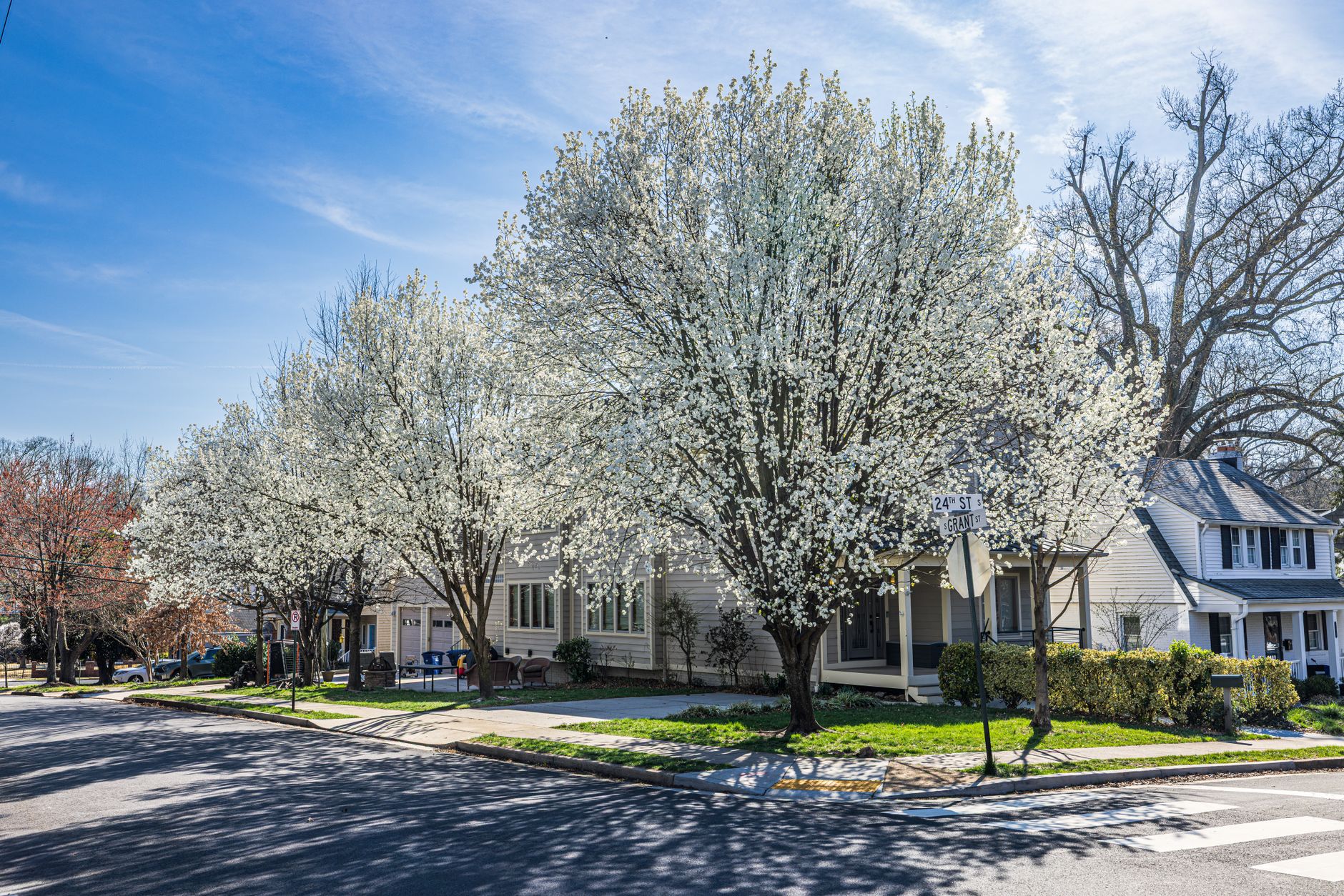
An overall cost of living index of 136.1 tells only a fraction of the story when walking down the pecan-shaded sidewalks of Milan Avenue. In South Pasadena, a fiercely independent enclave of roughly twenty-six thousand residents carved out of the San Gabriel Valley, the price of entry is steep, deliberate, and uncompromising. To understand the true cost of living in South Pasadena, one must look past the regional averages of Los Angeles County and examine a micro-market where the median household cost sits at seventy-eight thousand eight hundred fifty-four dollars annually, and the median home value hovers around one point six four million dollars. This is not merely a suburban extension of the massive metropolis next door; it is a highly preserved, top-tier municipal ecosystem where residents willingly pay a premium for exceptional public schools, historic preservation, and an architectural character that feels entirely divorced from the concrete expanses of Southern California. Moving here requires a clear financial strategy, as the housing costs and local taxes reflect a community that values quality of life above affordability.
The Price Tag of South Pasadena Real Estate
The primary driver of the cost of living in South Pasadena is, without question, the residential real estate market. Buyers looking to secure a permanent address here confront a highly competitive landscape defined by historically low inventory. At any given time, the entire city might only feature fifteen to twenty-five active listings, creating an environment of intense buyer competition where properties frequently sell in under a month. While neighboring Pasadena offers a larger, more diverse housing stock with a median sale price closer to one point three million dollars, South Pasadena commands a significant premium, with median single-family home prices regularly landing between one point five five million and one point seven million dollars. This price disparity stems from the city's unique draw: a highly rated independent school district and a strict commitment to preservation that prevents the rapid overdevelopment seen elsewhere in Los Angeles. For the forty-four percent of residents who own their homes, this real estate represents a secure but highly expensive asset. Buyers must prepare for substantial down payments and property taxes that reflect these elevated valuations, making housing the single largest financial commitment for anyone planning a move to this historic neighborhood.
Renting and Utility Costs in the Enclave
For those who choose not to buy, renting in South Pasadena presents its own set of financial realities. The median monthly rent in the city hovers around two thousand two hundred eighty-four dollars, though this figure varies dramatically depending on the age and style of the building. Unlike many master-planned communities in Southern California, the rental inventory here consists largely of mid-century garden apartments, duplexes, and converted historic guest houses rather than massive luxury complexes. Tenants in these charming but older structures often face higher utility expenses, as historic properties rarely feature modern, energy-efficient insulation or central climate control systems. Water, electricity, and trash services, managed through municipal utilities, add several hundred dollars to monthly budgets, particularly during the hot summer months when air conditioning is essential. Despite these costs, the rental market remains incredibly tight, driven by young families eager to gain access to the school system without committing to a multi-million-dollar mortgage. Landing a rental often requires quick decision-making and excellent credit, as vacancies are filled almost immediately by a steady stream of applicants who recognize the long-term value of residing within the city limits.
South Pasadena operates as a private club with public boundaries, where the price of admission is written into every property tax bill and local utility statement.
Daily Expenses and the True Cost of Suburban Living
Beyond housing, the everyday cost of living in South Pasadena reflects its affluent demographic. Grocery shopping in the city center typically involves trips to specialty grocers or organic markets, where prices trend higher than the national average. While residents can easily drive to neighboring areas for discount supermarkets, the local convenience of Mission Street boutiques and gourmet cafes commands a steady premium. Dining out is similarly priced, with independent bistros and family-run eateries reflecting the high commercial rents of the area. Transportation is another major component of the local budget. While the Metro A Line bisects the city, offering a convenient transit option into downtown Los Angeles or Pasadena, most residents still rely heavily on personal vehicles. Gas prices in this pocket of Los Angeles County remain among the highest in the state, and maintaining a vehicle adds a consistent layer of expense. However, the compact, highly walkable layout of the city center does allow residents to accomplish many daily errands on foot, a rare luxury in the car-centric culture of Southern California that can slightly offset commuting expenses.
How South Pasadena Compares to the Greater Los Angeles Basin
When evaluating the cost of living in South Pasadena against the broader Los Angeles basin, the distinction lies in what residents receive for their investment. While areas like Santa Monica or Beverly Hills command even higher home prices, South Pasadena offers a distinct small-town feel that is increasingly rare in Southern California. The municipal services here are exceptionally responsive, funded by the local tax base, and the public schools consistently rank among the best in the state, saving families the massive expense of private school tuition that is often necessary in other parts of the county. This educational benefit alone makes the high cost of living in South Pasadena a rational financial trade-off for many households. The investment yields a high quality of life, low crime rates, and a deep sense of community cohesion that is difficult to quantify but highly apparent. Ultimately, living in this neighborhood requires a clear understanding that you are paying not just for square footage, but for the preservation of a specific, classic California lifestyle that cannot be replicated in newer, sprawling developments.
In the end, analyzing the finances of this community reveals that it is not a place to seek a bargain, but rather a place to seek stability. Those who move here are not buying into a transient real estate trend; they are purchasing a permanent stake in a carefully guarded legacy of tree-lined streets, historic bungalows, and civic pride that has endured for generations. The true value of this neighborhood lies in its ability to resist the commercial pressures of the surrounding metropolis, offering a sanctuary that remains timeless even as the world around it changes rapidly.
Frequently Asked Questions
How do the public schools in South Pasadena impact the overall cost of living?
The exceptional quality of the South Pasadena Unified School District is one of the primary drivers of local property values. Because the public schools consistently rank among the top tier in California, families can avoid the significant expense of private school tuition, which often ranges from twenty thousand to forty thousand dollars per year per child in Los Angeles. This built-in educational value directly offsets the premium paid on home prices and property taxes.
Is it possible to live in South Pasadena without owning a car?
While South Pasadena is highly walkable and features its own Metro A Line station connecting residents directly to downtown Los Angeles and Pasadena, living completely car-free remains a challenge for most. Daily errands, local dining, and school trips can easily be accomplished on foot or by bicycle, but regional commuting and access to broader amenities usually require a personal vehicle, which contributes to the overall transportation costs of the area.
Why is housing so much more expensive in South Pasadena compared to neighboring Pasadena?
The price difference is primarily due to supply and demand dynamics. South Pasadena is a small, geographically constrained city of just over three square miles with highly restrictive zoning laws that prevent large-scale condominium and apartment developments. This limited inventory, combined with the high demand for its independent school district and historic charm, creates a highly competitive real estate market that commands a premium over the larger and more diverse housing market of neighboring Pasadena.
Ecomstation.ai