Culver City Belts Up as California AI Startups Secure Billions
Khushboo Siddhiwala
Aug 22, 2026 · 6 min read
Story
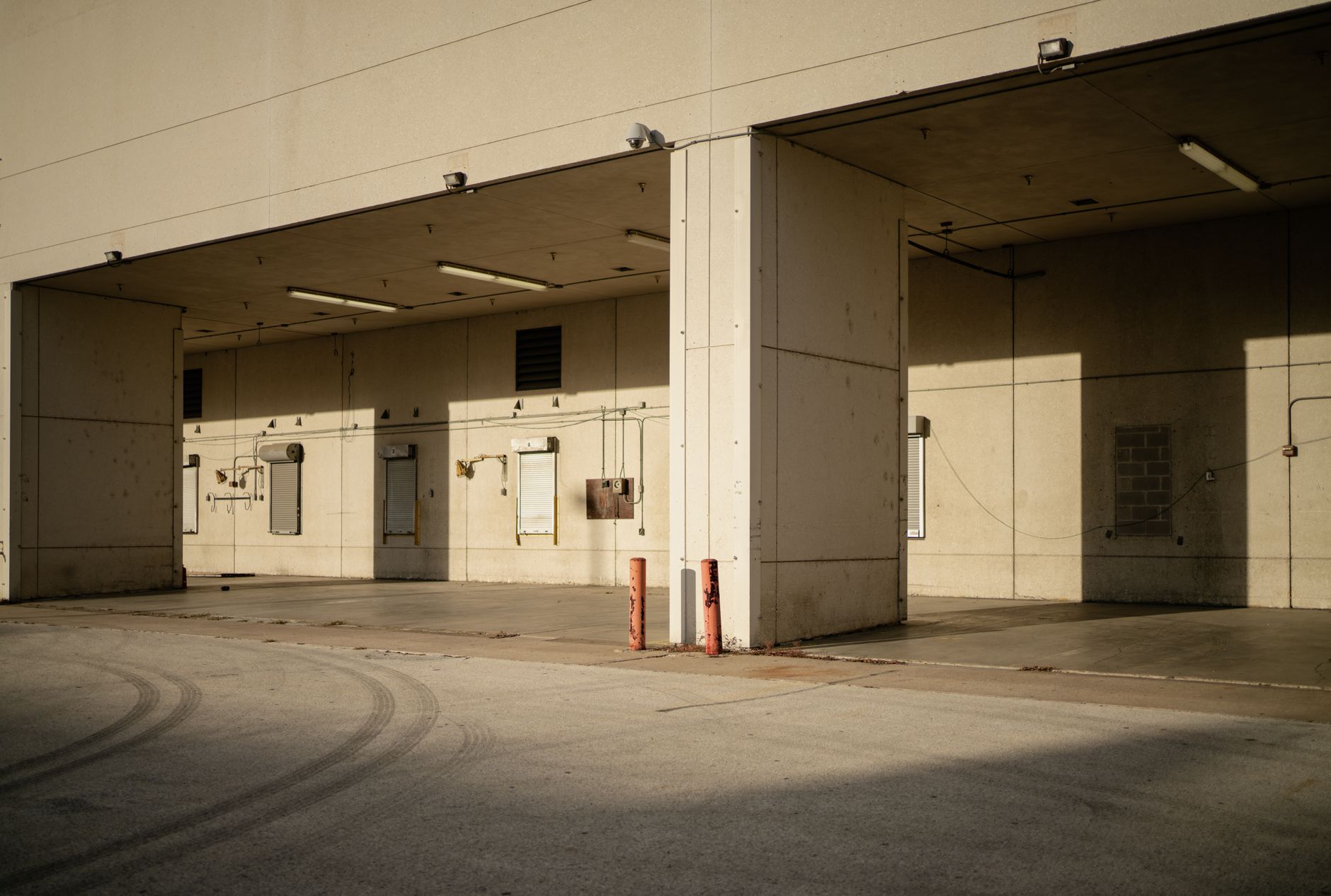
On a dusty afternoon in Culver City, at a converted bow-truss warehouse on Hayden Avenue, the quiet hum of physical computing represents the newest, most expensive frontier in technology. This is the staging ground for Atoms, the physical AI startup founded by Uber pioneer Travis Kalanick. The company recently finalized a staggering $1.7 billion funding round led by Andreessen Horowitz, proving that the brightest minds behind California AI startups are no longer content to live merely behind a glass screen. They are building machines that touch, move, and organize the physical world. This historic infusion of capital marks a structural pivot in how venture capital deployers view the future of automation. The digital gold rush of the early twenties has matured into a physical land grab, where software must possess hands, wheels, and spatial awareness to justify its soaring valuations.
The Physical Reality of Intelligent Capital
The scale of the Atoms fundraise has sent shockwaves through both the technology sector and the surrounding commercial real estate markets. For years, skeptics argued that physical robotics was too capital-intensive to compete with pure-play software models. But as foundational language models hit training data limits, investors are looking for startups that can translate digital intelligence into physical action. The massive warehouse footprints required by these physical AI operations are transforming industrial districts across Southern California and the South of Market neighborhood of San Francisco, forcing a relocation wave among older California AI startups that need more testing space. In these tech-adjacent zones, industrial lease rates are climbing as teams lease vast acreages of flex space to build and calibrate their mechanical fleets.
The capital flowing into these projects is unprecedented. While early generative AI companies raised tens of millions to build chat interfaces, physical AI players require billions to stand up assembly lines, procure custom actuators, and run real-world reinforcement learning cycles. This represents a fundamental shift in investor appetite. The investment is no longer just about cloud computing credits; it is about concrete, copper, and real estate. If you control the physical distribution systems and the robotic fleets that operate within them, you control the infrastructure of the physical economy.
The digital gold rush has officially collided with physical reality, turning industrial warehouses into high-stakes laboratories where code acquires physical form.
The Software Engine Redefining Coding Workflows
While physical AI claims the headlines with billion-dollar checks, the software layer is undergoing an equally intense consolidation of value. Anysphere, the parent company behind the breakout AI-native coding environment Cursor, has recently captured attention with an astonishing $29.3 billion valuation. Operating out of Menlo Park, the startup has bypassed traditional enterprise software sales cycles by embedding directly into the daily habits of millions of software engineers, setting a new benchmark for software-based California AI startups. Cursor is no longer just an autocomplete tool; it has become an interactive development partner that can refactor entire codebases with a single natural language prompt. This dramatic valuation jump highlights a deeper truth about the current venture cycle: the tools that command the highest premiums are those that directly accelerate the production of more software.
This software acceleration is creating a secondary boom for specialized infrastructure. Companies like Scale AI, valued at $13 billion, and highly specialized developers like Sapient are seeing unprecedented demand for high-quality training pipelines and custom LLM chains. As developers write more code using Cursor, the demand for clean, annotated datasets to train the next generation of models has skyrocketed. This has turned data engineering from a back-office chore into a primary strategic battleground. Startups are routinely offering seven-figure compensation packages to lure top machine learning researchers away from legacy tech conglomerates.
How AI Wealth Drives the K-Shaped Housing Market
This concentrated wealth generation from high-profile California AI startups is having an immediate, visible impact on the residential landscape. According to the August 2026 Los Angeles Market Update released by Highland Premiere Real Estate, the Southern California housing sector is experiencing a stark K-shaped divergence. While high interest rates have locked out the average homebuyer and cooled transaction volumes in standard suburban neighborhoods like Murrieta and Menifee, the luxury tier is operating in an entirely different reality. The flood of liquidity from massive secondary stock sales and record-breaking venture rounds is fueling a relentless bidding war for ultra-luxury estates in coastal enclaves. Newly minted paper billionaires and highly compensated engineering executives are bypassing traditional mortgage markets entirely, closing transactions with all-cash offers that defy broader macroeconomic trends.
The California Association of Realtors noted in its housing market forecast that this wealth concentration is widening the gap between the premium coastal markets and the inland valleys. In affluent neighborhoods, the demand for smart homes equipped with dedicated server closets, robust fiber-optic connections, and advanced security systems has become standard. Homebuyers are no longer just looking for ocean views; they are looking for properties that can double as secure, high-bandwidth nodes for remote executive operations.
The High-Stakes Bet on Commercial Footprints
This physical integration of work and life is reversing the commercial real estate slump that plagued metropolitan centers for the past half-decade. In Los Angeles, the demand for creative office spaces that combine heavy laboratory infrastructure with high-end executive suites is reaching historic highs. Startups are finding that remote work is fundamentally incompatible with the rapid prototyping cycles required for physical AI. Engineers need to be in the same room as the robotic arms they are programming, leading to a resurgence of in-person collaboration that is filling commercial corridors that were once considered permanently vacant.
The long-term implications of this trend extend far beyond office leases. The sudden demand for high-power electrical grids, redundant fiber optic networks, and heavy-duty loading bays is forcing municipal planners to rethink urban zoning. This spatial clustering is creating a self-reinforcing loop: the more a city like Culver City accommodates the unique physical requirements of California AI startups, the more attractive it becomes to the next wave of founders and investors looking to build the future of physical intelligence.
The true story of this week’s funding rounds is not just the extraordinary amount of money being raised, but where that money is landing. It is landing in the physical world. The era of the lightweight, capital-efficient software startup is giving way to a new epoch of heavy industry, where the ultimate measure of an intelligence is its ability to move a mountain, pave a road, or stack a crate in the real world.
Frequently Asked Questions
Which California AI startups raised the most capital this week?
Atoms, the physical AI startup founded by Travis Kalanick, led all funding rounds with a massive $1.7 billion investment led by Andreessen Horowitz. In the software ecosystem, Anysphere, the developer of the Cursor AI coding tool, reached a valuation of $29.3 billion, demonstrating the immense value investors are placing on developer productivity.
How is the rise of these tech companies affecting Southern California real estate?
The influx of tech wealth has accelerated a K-shaped housing market. While higher interest rates have cooled demand for average homes in inland areas like Murrieta, the luxury market in coastal Los Angeles is experiencing robust activity, driven by all-cash purchases from founders and senior engineers capitalized by massive funding rounds.
Why are physical AI startups leasing so much commercial warehouse space?
Unlike pure software startups, physical AI companies require extensive space to build, test, and calibrate physical hardware and robotic fleets. This has led to a significant increase in demand for light industrial and flex-office spaces in tech hubs like Culver City and South of Market in San Francisco.
Ecomstation.ai