Demystifying Closing Costs California: The Pasadena Guide
Khushboo Siddhiwala
Aug 13, 2026 · 6 min read
Story
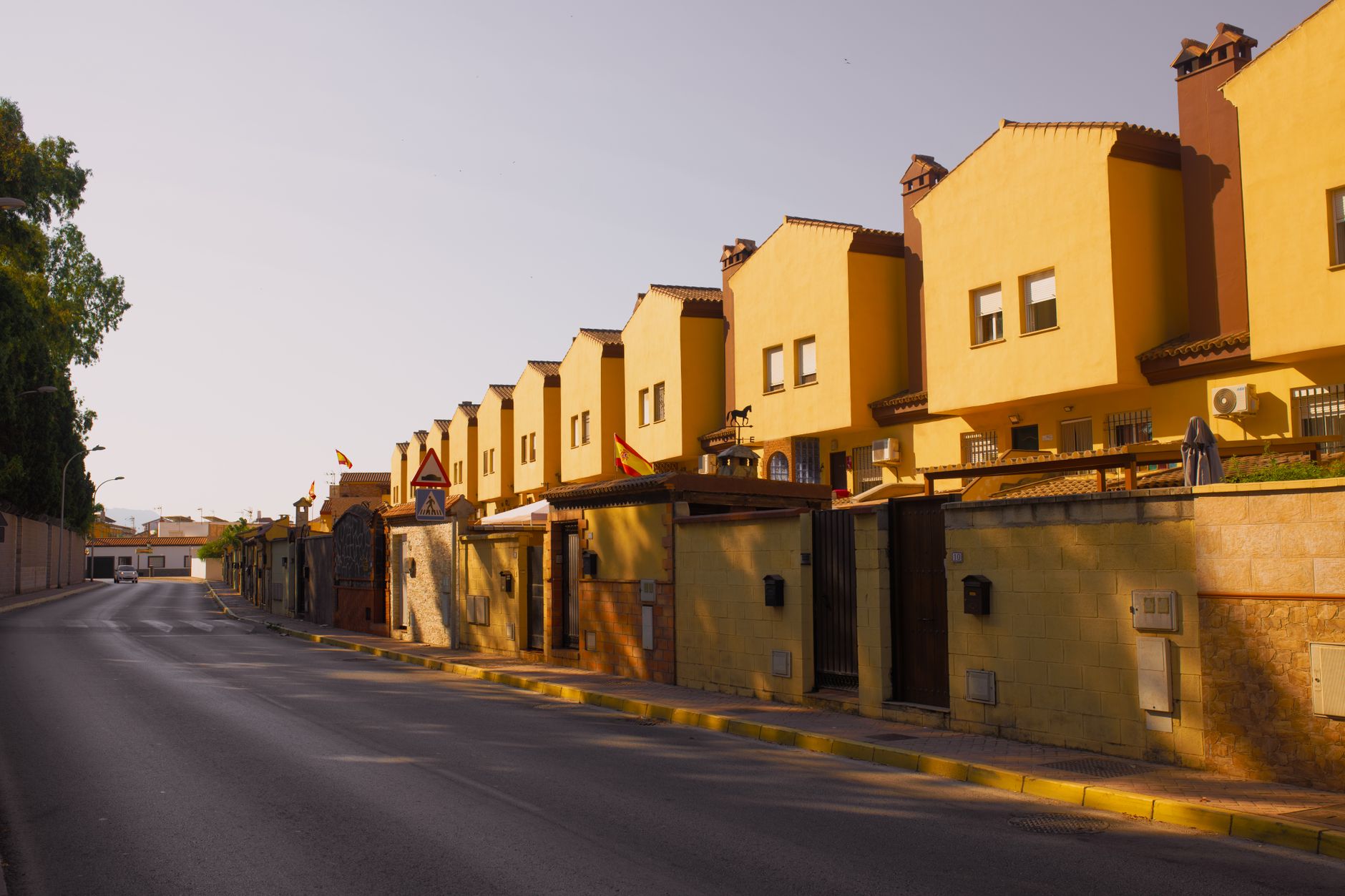
Sarah Chen stood on the porch of a Spanish Revival home at 1045 South Madison Avenue in Pasadena (91106), holding a pen over a contract for $1.4 million. She had spent two years saving her down payment, watching her bank account grow to meet her target. But when her lender sent over the final breakdown of fees, she stared at an unexpected extra charge of forty-two thousand dollars. These are the closing costs California buyers frequently overlook, a collection of administrative fees, taxes, and prepayments required to finalize a property transaction. Far from being a minor footnote, these expenses represent a significant cash outlay that must be paid upfront before you can get the keys to your new home.
The Invisible Receipt at the Finish Line
When you purchase a home, the price tag on the real estate listing is never the final price you pay. In places like San Francisco, where luxury properties come with steep local transfer taxes, or in the sunny suburbs of San Diego, these extra expenses act as the invisible friction of the real estate machine. They are the fees paid to the army of professionals who work behind the scenes to transfer a property safely from one owner to another. These professionals include title companies, escrow officers, home inspectors, and mortgage underwriters. For a buyer, these fees typically amount to between one and a half and five percent of the purchase price. When calculating your budget for buying a home, you must treat these expenses as a non-negotiable cash requirement separate from your down payment.
Unlike a mortgage, which you pay off over thirty years, closing costs California buyers encounter must be paid in liquid cash on the day you sign your final paperwork. If you buy a property in Sacramento for nine hundred thousand dollars, you will need to bring twenty-seven thousand dollars of extra cash to the table, assuming a standard three percent rate. This money cannot be borrowed easily, and if you are caught unprepared, it can delay your transaction or even cause the deal to fall through entirely. The bulk of these charges cover the mortgage processing, title insurance, and government transfer fees. Understanding each component is the only way to avoid a painful shock at the final hour.
Who Pays What in the Golden State
The distribution of these charges is not uniform across the state, and this is where local custom dictates your financial responsibility. In Los Angeles, custom dictates that buyers and sellers split the escrow fees down the middle, while the seller typically pays the county transfer tax. However, if you move north to Oakland or elsewhere in the East Bay, the customs shift, and you might find yourself negotiating who covers these regional expenses. Sellers usually bear the heaviest burden overall, paying around two to three percent in settlement fees plus the traditional agent commissions, but the overall closing costs California buyers must cover are still significant.
Your final loan estimate is a legal promise of what you will owe at the closing table, and every dollar should match the initial quote you received.
For buyers, the largest portion of your upfront expenses will stem from your mortgage lender. These include origination fees, appraisal costs, and credit report fees. Additionally, you will pay for a title insurance policy that protects your ownership rights and an escrow company to handle the funds safely. In places like Palm Springs, where second homes and vacation rentals are common, you might also face homeowner association transfer fees that add to the final tally. Prepaid items also swell this total, requiring you to pay your first year of homeowners insurance and several months of property taxes into a reserve account before you even spend your first night in the house.
The Three Mistakes of Unprepared Buyers
The first major error buyers make in Santa Barbara is shopping for a loan based solely on the interest rate while ignoring the lender fees. Some institutions offer incredibly low rates but recoup their losses by charging high underwriting and processing fees. Always ask for a Loan Estimate form within three days of submitting your application so you can compare the actual administrative fees side by side. The second mistake is failing to negotiate. While government taxes and title fees are fixed, lender fees and escrow charges are often open to negotiation, and you can even ask the seller to pay a portion of your fees through what is known as a seller concession. This concession can offset your cash needs dramatically.
Finally, many buyers fail to realize that certain services can be shopped around. You do not have to use the title company or escrow officer recommended by your real estate agent or lender. By doing your own research and comparing closing costs California providers charge in Irvine or San Jose, you can save thousands of dollars on administrative costs. Remember that every dollar saved on administrative fees is a dollar that stays in your pocket to help furnish your new living room or cover your moving expenses. In high-cost areas, this shopping strategy is one of the most effective ways to lower your out-of-pocket costs at settlement.
The Strategy of the Informed Buyer
Navigating closing costs California demands is not about finding a magic trick to make them vanish. Instead, it requires you to treat these fees as a strategic lever in your home purchase. By understanding what you are paying for, you can turn a confusing list of fees into an opportunity to negotiate a better deal. When you make an offer on a home, you can write a clause asking the seller to credit you a specific amount toward your transaction costs. In a balanced market like Fresno, many sellers are willing to agree to this to keep the sale moving forward. This strategy preserves your cash reserves, allowing you to keep your savings intact for the unexpected repairs, landscaping updates, and improvements that always accompany homeownership.
Ultimately, these fees represent the price of security. They ensure that the home you are buying is legally yours, free of hidden debts or ownership disputes, and that your mortgage is structured safely. When Sarah Chen finally signed her paperwork in Pasadena, she did so knowing that every fee had been scrutinized and verified. By preparing for these costs months before you write your first offer, you transform a moment of potential financial panic into a controlled, confident transition to homeownership.
Frequently Asked Questions
Can I roll my closing costs into my mortgage in California?
While you can sometimes roll these costs into your loan on a refinance, it is rarely allowed on a purchase. Most purchase loans require payment at settlement, though you can negotiate seller concessions or seek a lender credit in exchange for a slightly higher interest rate.
How do I know how much I will actually owe before the closing day?
Your lender is legally required to provide a Loan Estimate within three days of your application, showing all estimated fees. Three business days before you sign your final paperwork, they must provide a Closing Disclosure, which lists the exact final numbers you must pay.
Are closing costs tax-deductible in California?
Most closing costs are not immediately deductible on your tax return. However, mortgage points and prorated property taxes paid at settlement are often deductible, while other fees like title insurance are added to your home's cost basis, which can reduce your capital gains tax when you sell the property in the future.
Ecomstation.ai