Demystifying the Down Payment California Home Strategy in Pasadena
Khushboo Siddhiwala
Aug 29, 2026 · 7 min read
Story
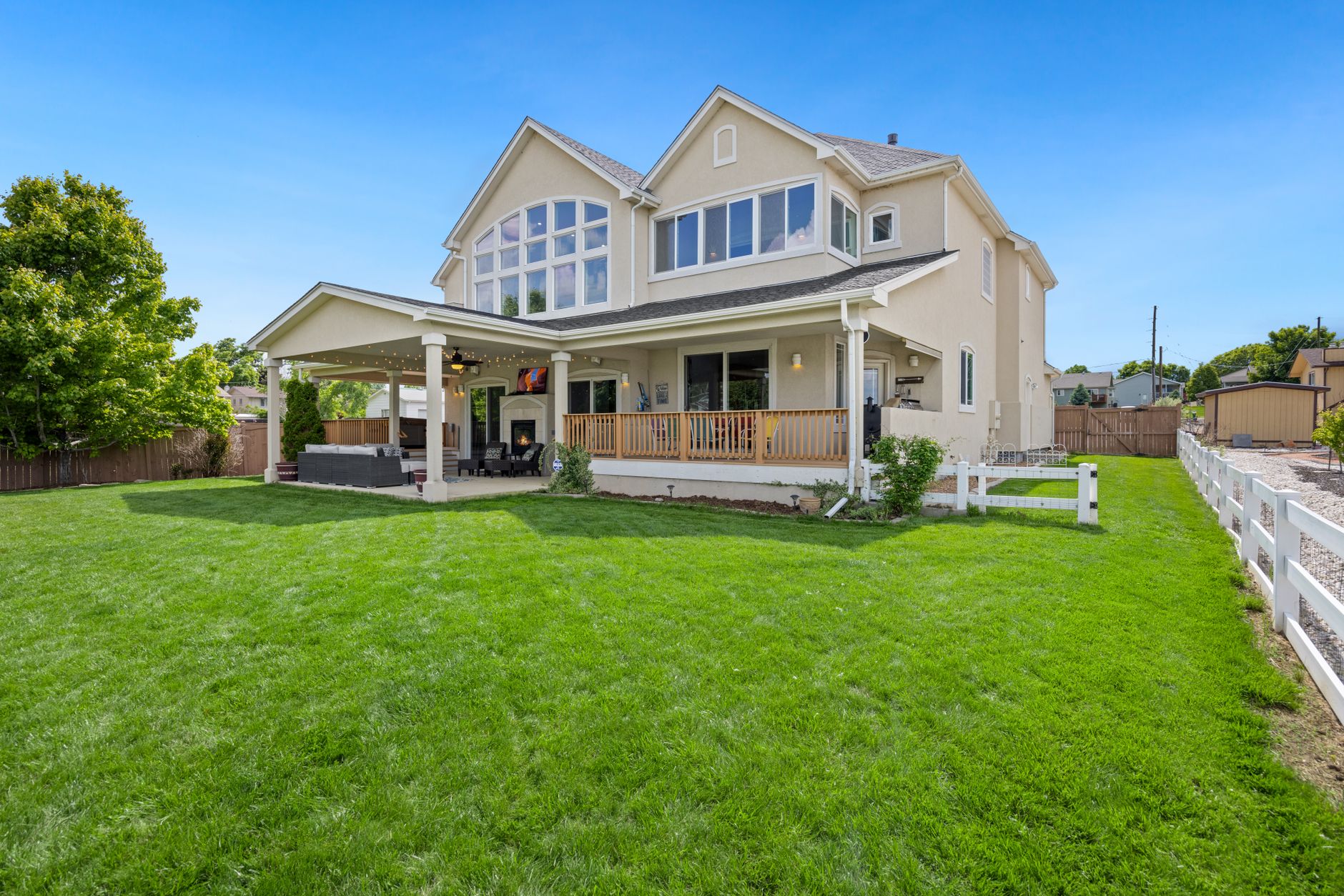
Sarah Chen stood on the original oak floors of a 1923 Craftsman bungalow at 1420 North El Molino Avenue in Pasadena, ZIP code 91104, trying to visualize her life here. The asking price was $925,000, a dizzying sum that felt entirely out of reach because of one major hurdle. To buy this Pasadena home, Sarah assumed she needed a massive down payment California home buyers have historically struggled to amass: a full twenty percent, or $185,000 in cold, hard cash. Like many first-time buyers, she had spent years believing that without a mountain of cash, the door to homeownership was locked tight. This belief is a relic of another era. The reality of securing a down payment California home loan in 2026 is far more nuanced, creative, and accessible than the traditional narrative suggests. A down payment is simply the initial upfront portion of the purchase price that you pay yourself, with the remaining balance covered by your mortgage lender. It acts as your immediate equity in the property, reassuring the bank that you have skin in the game. But the long-held rule of saving twenty percent is no longer the standard entry fee for California real estate.
The Golden State Myth of the Twenty Percent
If you are looking for a house in Sacramento, specifically in the leafy streets of Land Park, ZIP code 95818, the twenty percent rule can feel like an impossible mountain to climb. The truth is that the average first-time buyer in California puts down far less, often between three and ten percent. Lenders have adapted to the high cost of West Coast real estate by offering loan programs that require minimal cash up front. When you buy a house, you are not just writing a check for the property; you are entering a partnership with a financial institution that assesses your risk. By putting down a smaller amount, say three and a half percent, you keep your cash reserves intact. The tradeoff is that you will likely pay for mortgage insurance, an added monthly fee that protects the lender if you default. Yet, when home values appreciate, the wealth you build through equity easily outpaces the cost of this insurance. Waiting years to save a massive down payment California home buyers think they need often backfires. As home prices rise, the target moves further away, meaning a buyer who waits to save twenty percent might find themselves priced out of the very market they were trying to enter.
Waiting to save a perfect twenty percent down payment while home prices climb is like chasing a train that has already left the station.
Decoupling Credit Scores from the Cash Pile
Your down payment size is directly linked to your financial health, but not in the way most people think. In the sun-drenched neighborhoods of San Diego, like North Park, ZIP code 92104, lenders look closely at your credit score to determine how much cash they will require you to bring to the closing table. For a standard Federal Housing Administration loan, which is backed by the federal government, a credit score of 580 or higher allows you to buy a home with a down payment of just three and a half percent. If your credit score falls between 500 and 579, you can still qualify, but the lender will require a ten percent down payment to balance the risk. This means your personal credit profile is the true key that unlocks lower cash requirements. To qualify for these low-down-payment options, the property must be your principal residence. Lenders want to know you plan to move in and live there, rather than treating it as a rental property or a weekend getaway. Additionally, your debt-to-income ratio, which measures your monthly debt payments against your gross income, can be surprisingly flexible, sometimes reaching up to fifty-seven percent if you have strong compensating factors like steady career growth or significant savings left over after closing.
Navigating California State Assistance in 2026
Navigating the landscape of home buying in San Francisco, particularly in ZIP code 94110 near the vibrant Mission District, requires an understanding of state-level safety nets. The state of California has introduced powerful tools to bridge the affordability gap. The California Housing Finance Agency offers programs designed to assist first-time buyers with their upfront costs. One notable program is the MyHome Assistance Program, which provides a deferred-payment junior loan of up to three and a half percent to help cover the down payment or closing costs. For those who qualify, the Dream For All shared appreciation program has returned, offering up to twenty percent or $150,000, whichever is less, to first-generation home buyers. This means the state essentially provides the down payment California home buyers need, in exchange for a share of the home's future appreciation when it is sold. Furthermore, the passage of Proposition 37, the Second Mortgage Homebuyer Program, authorizes the state to issue bonds to offer second mortgage loans to qualified buyers who have lived in the state for at least one year. These initiatives prove that you do not have to tackle the massive financial burden of a West Coast purchase entirely on your own.
The Fatal Mistake of the Empty Bank Account
The most common error eager buyers make is emptying every single dollar from their bank account to secure the property. If you are purchasing a mid-century modern home in Palm Springs, ZIP code 92262, you must resist the temptation to scrape the bottom of your financial barrel. A down payment is only one part of the cash required to close a real estate transaction. You must also account for closing costs, which typically range between two and three percent of the total loan amount. These fees cover escrow, title insurance, home inspections, and lender fees. If you spend your last dollar on the down payment California home purchase, you will have nothing left to pay the movers, repair an unexpected plumbing leak, or handle the transition into your new life. A successful buyer always maintains a healthy cash cushion, often called reserves, equal to at least three to six months of mortgage payments. Draining your accounts completely is a recipe for financial anxiety and leaves you vulnerable to the unpredictable nature of home ownership.
Redefining Home Equity and Wealth Creation
When you look at the landscape of neighborhoods like Silver Lake in Los Angeles, ZIP code 90026, the strategy shifts from hoarding cash to securing the asset as early as safely possible. Equity is not just a financial term; it is the engine of personal wealth. By securing your home with a lower down payment, you begin capturing the market's natural appreciation sooner. If a home appreciates by four percent annually, waiting five years to save a larger sum only increases the final purchase price, rendering your savings efforts counterproductive. The true measure of financial wisdom in today's real estate environment is not how much cash you can lock up in a property upfront, but how intelligently you protect your liquid capital while stepping onto the property ladder.
Frequently Asked Questions
Can I buy a home in California with less than a twenty percent down payment? Yes, you can buy a home with far less. Many conventional loans allow down payments as low as three percent, while Federal Housing Administration loans require a minimum of three and a half percent for qualified buyers. There are also state-backed programs that can help cover these costs entirely.
Do I need to pay for mortgage insurance if I put down less than twenty percent? Yes, if your down payment is less than twenty percent, lenders will require you to pay for private mortgage insurance for conventional loans, or a mortgage insurance premium for government-backed loans. This fee is added to your monthly payment but can often be removed once your home equity reaches twenty percent.
Can I use gift funds from family members for my down payment in California? Lenders generally allow you to use financial gifts from family members to cover all or part of your down payment. You will need to provide a formal gift letter signed by the donor stating that the money is a gift and does not need to be repaid, along with bank statements to verify the transfer of funds.
Ecomstation.ai