FIFA World Cup's San Francisco Knockout Rounds Are Turning Russian Hill Airbnbs Into $2,400-a-Night Gold Mines
Khushboo Siddhiwala
Jun 28, 2026 · 3 min read
Story
Maria Santos pulled her two-bedroom apartment at 1247 Green Street off the long-term rental market in February. The 94109 ZIP code unit—twelve minutes by Uber to Levi's Stadium during normal traffic—is now booked solid from June 28 through July 19 at $2,400 per night, a 340% premium over her previous monthly rent divided by thirty. She isn't an outlier. She's the new baseline.
The FIFA World Cup, which kicked off June 11 across North America, arrives in the Bay Area this week with a vengeance. Levi's Stadium in Santa Clara hosts its first group-stage match on June 30 when Mexico faces Saudi Arabia, followed by a Round of 32 knockout game on July 6 and a quarterfinal on July 11. That three-match window has triggered the most dramatic short-term rental surge San Francisco has seen since the 2016 Super Bowl—except this time, the demand is international, the budgets are deeper, and the geographic spread is wider.
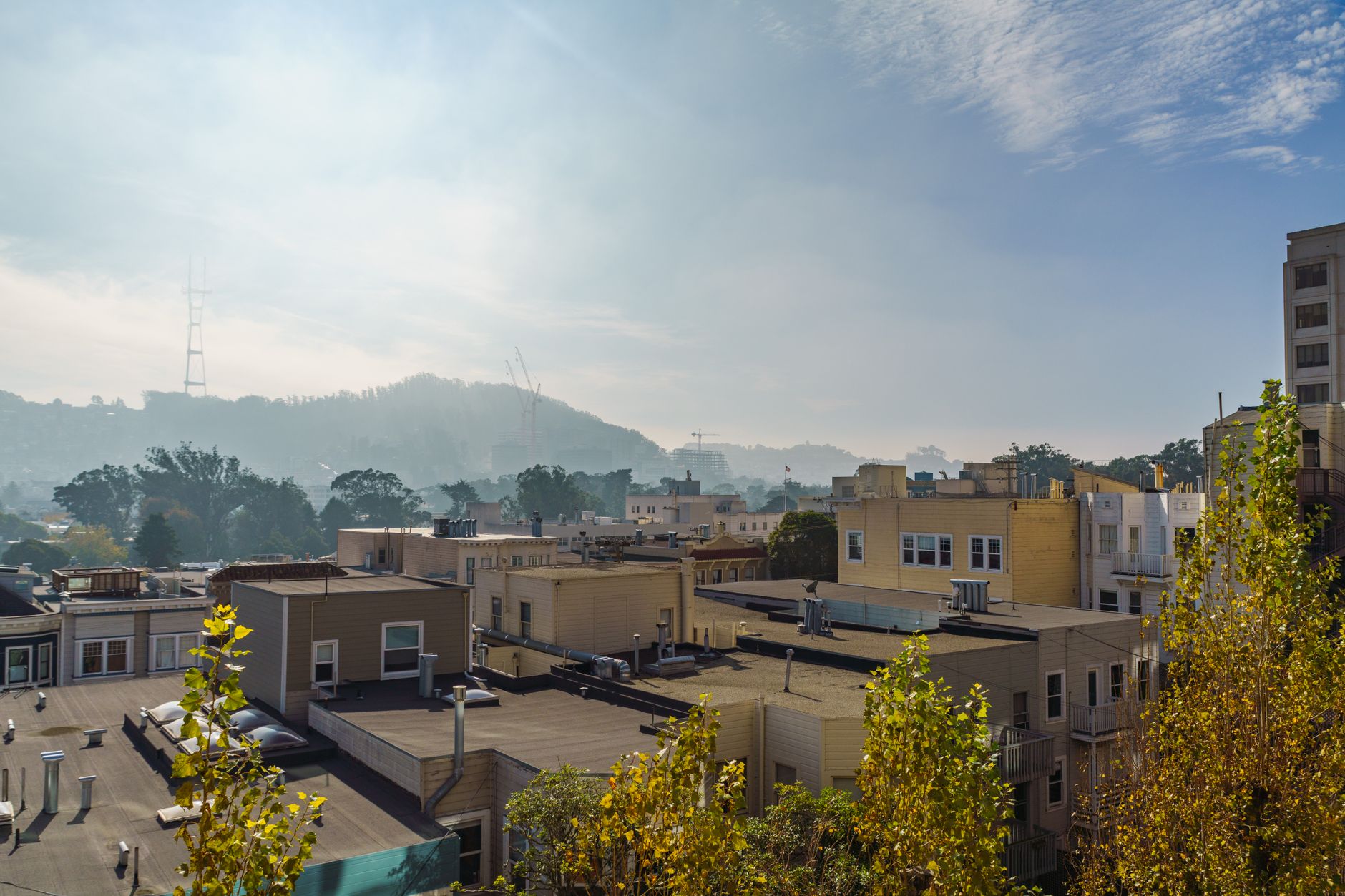
Forget the Peninsula. The real action is happening in neighborhoods that offer what foreign visitors actually want: walkable streets, Instagram backdrops, and the feeling of being somewhere distinctly Californian. Russian Hill, North Beach, and the Marina District are commanding the highest premiums, with entire-home listings in the $1,800-$2,800 range showing 94% occupancy for the tournament window. Pacific Heights brownstones with parking—crucial for guests renting cars to Santa Clara—have crossed $3,200 on peak match nights.
The pricing psychology reveals something important about this particular event. World Cup visitors aren't bachelor parties looking for the cheapest crash pad. They're multigenerational families from Mexico City, Riyadh, Buenos Aires, and Lagos who booked flights the moment the bracket was announced. They want three bedrooms, functioning kitchens, and proximity to BART. They're comparison-shopping against $650-per-night downtown hotels and finding that a $2,100 Noe Valley Victorian with a garden actually feels like a bargain when split four ways.
San Jose proper should be capitalizing on this proximity advantage, but it's fumbling the moment. The city's Airbnb inventory skews toward corporate-extended-stay aesthetics—beige apartments near Santana Row, two-bedroom condos in Willow Glen—that don't photograph well and can't command the premiums that San Francisco's architectural character demands. Hosts in 95126 and 95125 are asking $400-$600 per night and getting it, but they're leaving money on the table by competing on convenience rather than experience.
The smarter play is happening in unexpected pockets of the East Bay. Oakland's Temescal neighborhood, a straight 40-minute BART ride from Milpitas station plus shuttle to Levi's, has seen its available inventory shrink by 60% since April. A three-bedroom craftsman on 51st Street that rented for $275 per night last summer is now booked at $875 for the Mexico match weekend. The guests are Brazilian—here for the July 11 quarterfinal, betting their team advances, and willing to pay Oakland prices to avoid San Francisco hotel markups.
What the conventional wisdom misses is the secondary market forming around watch parties rather than stadium attendance. San Francisco's Mission District, home to the densest concentration of Mexican restaurants and sports bars in Northern California, is seeing its own Airbnb surge from fans who never intended to buy match tickets. They want to watch Mexico play surrounded by other Mexican fans on Valencia Street, and they're booking week-long stays at $1,200 per night to do it. The experience is the product.
For investors watching this unfold, the signal is clear but time-sensitive. Properties within walking distance of culturally-specific nightlife corridors—the Mission, North Beach's Italian stretch, Oakland's Fruitvale—are outperforming generic "close to stadium" listings by 40-60% on nightly rates. The World Cup isn't a real estate event. It's a cultural tourism event that happens to need beds.
Santos, the Russian Hill landlord, told me she's already fielding inquiries for the 2028 Los Angeles Olympics. She's not going back to long-term tenants. The math doesn't work anymore—not when three weeks of World Cup bookings will net her more than five months of traditional rent. That calculation, multiplied across thousands of Bay Area property owners, may be the Cup's most lasting local legacy: the final proof that San Francisco's housing stock has bifurcated permanently into assets that shelter residents and assets that harvest visitors. The tournament will end in July. That split is forever.
Ecomstation.ai