Fresno Shifts the Map: California Housing Market Trends in 2026
Khushboo Siddhiwala
Nov 1, 2026 · 7 min read
Story
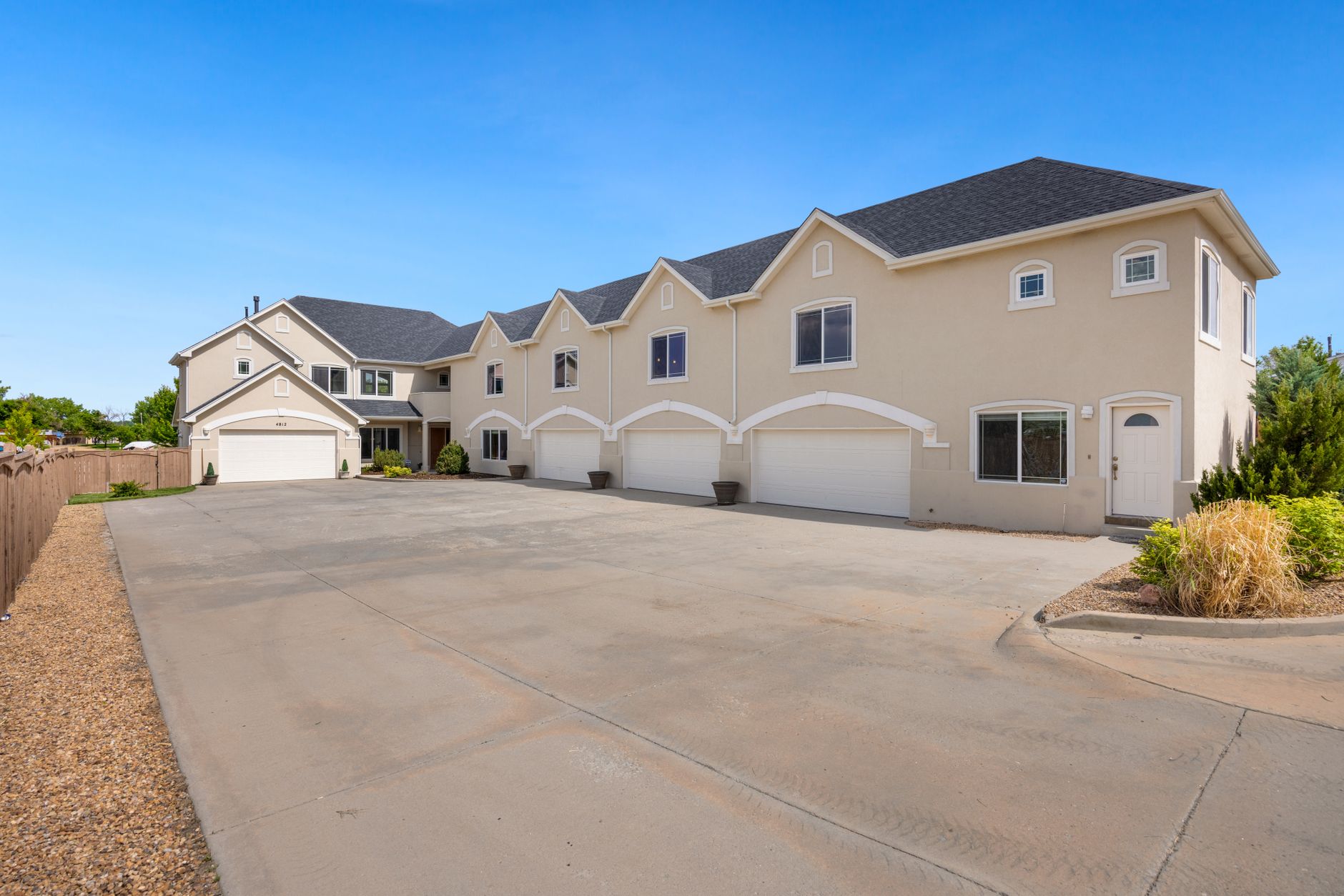
At 6:30 a.m. on Sunday morning, a restored three-bedroom ranch on East Shepherd Avenue in Fresno ZIP 93720 went pending for $485,000 after just four days on market. Two hundred and twenty miles south down Highway 99, that exact sum cannot purchase a parking space and a dilapidated studio in Silver Lake or Culver City. This stark disparity illustrates the central engine driving current California housing market trends across the Golden State today. While national headlines continue to trumpet an exodus to Austin or Miami, the real story unfolding across California real estate is far more nuanced, energetic, and surprising. Young buyers, priced out of coastal enclaves, are not abandoning the state entirely. Instead, they are executing a strategic retreat into California interior valleys, rewiring the economic and cultural map of regions once dismissed as secondary markets.
The Great In-State Migration Shuffle
For five years, the dominant narrative surrounding West Coast real estate suggested a uniform flight toward lower-tax havens in the Sunbelt. However, autumn 2026 data paints a fundamentally different picture of regional mobility. Fresh U-Haul tracking metrics combined with recent real estate mobility studies reveal that while older residents and mega-wealthy retirees may be heading toward South Carolina or Texas, Gen Z and younger millennial buyers are staging an internal migration within state borders. They are arriving in Fresno, Chico, and Sacramento in unprecedented numbers, creating localized price surges that contrast sharply with stagnant coastal transaction volumes.
Consider Chico, located in Butte County, which has expanded its population by over 25 percent to just over 108,000 residents while annexing nearby parcels to add thousands of new housing units. What began as an emergency influx following regional wildfires has transformed into a permanent migration trend, as remote workers and young families seek walkable, historic communities with modern infrastructure. Across the state, the statewide median home price held firm at $752,837 in September 2026, marking a 1.0 percent year-over-year increase even amidst broader economic recalibration.
Yet beneath that modest statewide figure lies intense localized volatility. Redfin data indicates that nearly 19 percent of California home shoppers searched to move to an entirely different metropolitan area within the state during mid-2026. In places like California City, where 51 percent of home searchers looked to depart while 49 percent sought to stay, the rebalancing of local economies is palpable. Buyers are meticulously recalculating their cost-of-living formulas, realizing that staying within the state cultural, climate, and legal protections remains highly attractive if the purchase price is cut in half. Analyzing these shifts reveals that California housing market trends are no longer driven by single macro trends, but by micro-migrations across regional boundary lines.
Pent-Up Supply and the Myth of the Empty City
Despite continuous outbound migration from urban cores like Los Angeles, coastal real estate has not experienced the price collapses observed in Rust Belt hubs during past economic downturns. Demographers and housing economists point to an unyielding structural reality: decades of severe underbuilding have created an enormous reserve of pent-up demand. When inventory in Los Angeles neighborhoods like West Adams or Silver Lake increases slightly, it does not lead to vacant blocks. Instead, it triggers market elasticity.
As prices adjust downward even by a small margin, buyers who were previously priced out re-enter the bidding pool, effectively putting a hard floor under residential valuations. The recent California Association of Realtors forecasts confirm that inventory shortages continue to buffer values against major declines, even as net migration figures fluctuate. Demographic studies emphasize that as municipalities build more housing, fewer residents feel compelled to leave, creating an equilibrium where price drops attract returning buyers before true market deterioration occurs.
The real story across California is not an exit, but an internal migration that is quietly redefining where value lives.
This structural dynamic keeps coastal entry points hyper-competitive while transferring demand to suburban and inland corridors. In Sacramento, neighborhoods like East Sacramento and Oak Park (ZIP 95817) are experiencing multi-offer scenarios on starter homes priced around $550,000. Buyers who spent years losing out on open houses in Santa Monica or Pasadena are discovering that their capital buys character homes, yard space, and vibrant food scenes in Northern California urban centers. Analyzing local purchase dynamics demonstrates how rapidly California housing market trends are reshaping consumer behavior.
Capital Flows from Silicon Valley to San Francisco
While inland valleys absorb middle-market homebuyers, the top end of the market is receiving a completely different jolt of capital. The third quarter of 2026 recorded a historical high-water mark for mega-cap venture funding, driven by an unprecedented wave of billion-dollar AI startup investment rounds. This surge of venture liquidity is concentrating in Silicon Valley and spilling directly back into San Francisco real estate.
In neighborhoods like San Francisco Pacific Heights (ZIP 94115) and Palo Alto (ZIP 94301), founders and early employees flush with liquidity from these historic raises are placing heavy bets on prime residential properties. The luxury segment in San Francisco, which experienced prolonged quiet during the remote-work peak, is showing vibrant signs of renewed bidding wars. High-net-worth buyers are acquiring legacy properties with all-cash offers, unaffected by elevated mortgage rates.
This division creates a dual-track dynamic across the state. On one end, venture wealth fortifies ultra-luxury ZIP codes in San Francisco, Menlo Park, and Manhattan Beach. On the other end, working professionals and young families are driving up median values in mid-tier cities like Fresno and Santa Rosa. Analyzing current California housing market trends requires recognizing this sharp economic bifurcation: high-end cash buyers are stabilizing coastal luxury, while middle-class equity relocates inland to capture space and long-term quality of life.
The New Geography of Homeownership
This spatial realignment carries profound implications for real estate strategy over the next several years. The traditional paradigm—where ambitious professionals endured decades of high rent in Los Angeles or San Francisco to eventually purchase a modest condo in the same city—has shattered. The modern buyer treats the entire state as a single, fluid market board.
With corporate infrastructure fully adapted to hybrid workflows, moving from Santa Barbara to Sacramento or from Irvine to Fresno no longer carries a career penalty. Neighborhoods that were once considered peripheral sleepy towns are fast becoming cultural and economic hot spots. Local businesses, specialty coffee roasters, and farm-to-table dining concepts are rapidly opening in downtown Fresno and downtown Chico, catering to former coastal residents who brought their purchasing power and elevated lifestyle expectations with them.
As mortgage interest rates stabilize and inventory flows incrementally improve, the momentum in these secondary hubs will likely intensify. The state economy, standing at $4.25 trillion, continues to generate immense private equity and personal income. The media narrative that residents are giving up misses the clear signal embedded in daily real estate transfers: the demand for living here remains extraordinarily strong, but the geography of where that life takes place has permanently expanded. Observing these ongoing shifts underscores how fundamental California housing market trends are to the state future growth.
Frequently Asked Questions
What are the dominant California housing market trends for late 2026? The market is defined by a sharp split between high-end coastal luxury and rapid growth in inland cities like Fresno, Chico, and Sacramento. Statewide median prices remain elevated around $752,837, bolstered by low housing inventory and significant in-state migration of younger buyers seeking affordability.
Why are young buyers moving to Fresno and Chico instead of leaving the state? Young buyers are opting for internal migration to retain access to regional economic networks, climate, and lifestyle perks while securing significantly lower median home prices. Cities like Fresno offer single-family homes at roughly half the cost of properties in Los Angeles or San Francisco.
How is AI industry funding affecting Bay Area real estate prices? Record Q3 2026 venture funding in artificial intelligence startups has created substantial equity liquidity for tech founders and early employees. This influx of capital is driving renewed demand and competitive bidding in high-end Bay Area neighborhoods such as Pacific Heights in San Francisco and select ZIP codes in Palo Alto.
Ecomstation.ai