How Menlo Park Is Anchoring The New Wave of California Venture Capital
Khushboo Siddhiwala
Sep 10, 2026 · 5 min read
Story
Inside a glass-walled conference room overlooking the dry pine trees of Sand Hill Road in Menlo Park, a quiet transaction just rewrote the physical future of the internet. The founders of Odyssey, an artificial intelligence startup focusing on world-scale physical simulation, finalized a $310 million Series B funding round at a valuation of $1.45 billion. This singular transaction, led by Natural Capital and backed by heavyweights like Google Ventures and Amazon, highlights the dominant force defining the current trajectory of California venture capital. Rather than building simple chat interfaces or text generation engines, this group is engineering multi-sensory world models that simulate actual physical spaces. The real-world implications are already spilling beyond local software labs and directly into the commercial real estate sector, where developers are using simulated environments to stress-test high-rise construction designs before a single shovel touches the dirt.
From Simulated Worlds to Physical Real Estate
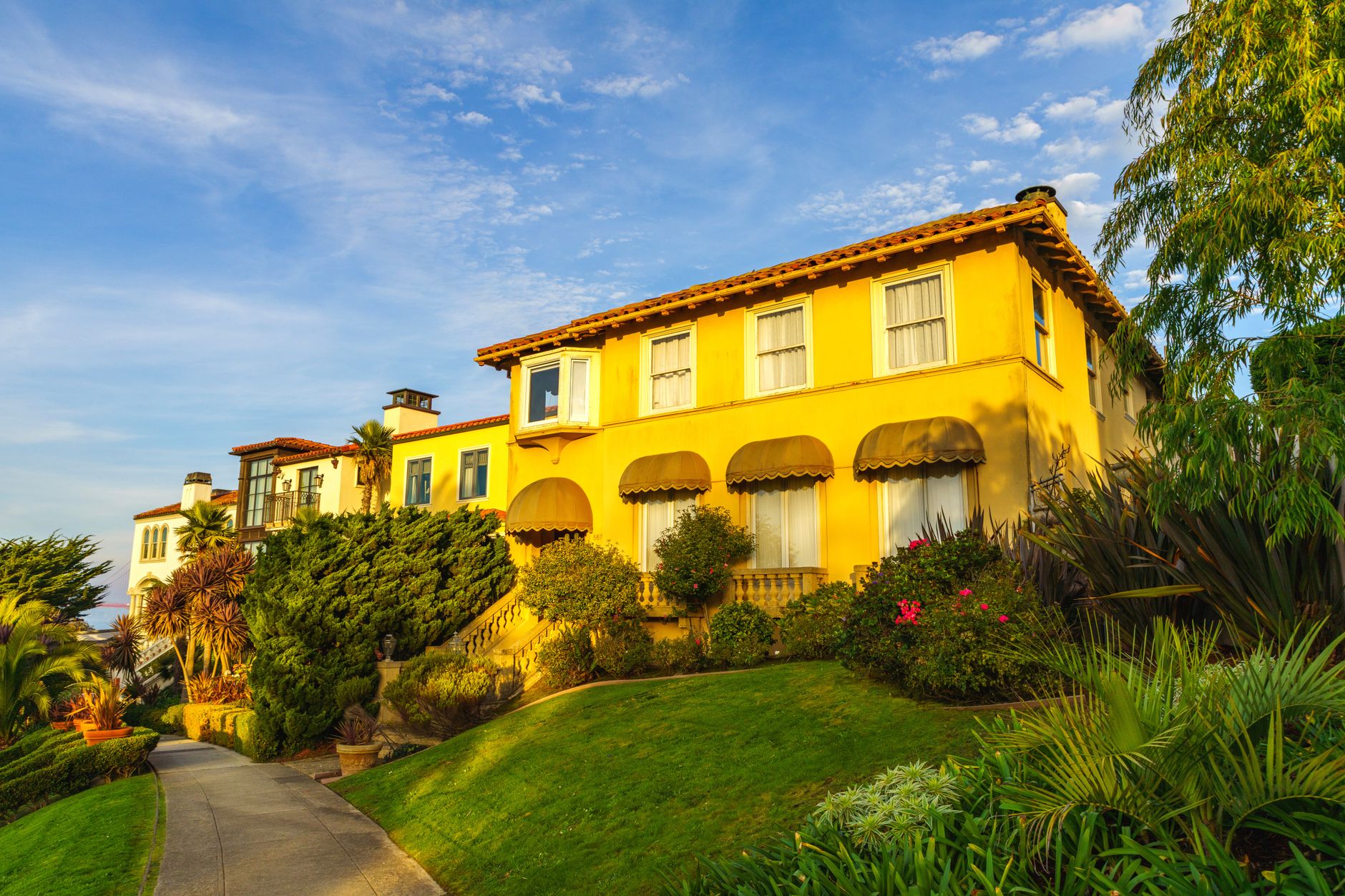
This massive funding injection into Odyssey underscores a structural shift in how tech capital interacts with the built environment. In the Silicon Valley tech hub, the demand for high-performance computing centers is triggering a quiet battle for warehouse spaces and commercial zoning rights. The world models built by Odyssey allow users to run complex, physics-based simulations of neighborhoods, cities, and interior spaces. For real estate developers in nearby San Francisco, this technology represents the end of the traditional blueprint era. Architects are now building fully interactive digital twins of luxury residential complexes, allowing potential buyers in high-end coastal markets to walk through virtual properties with perfect, real-time lighting simulations. This level of predictive physical modeling has turned what used to be a speculative gaming tool into a necessary utility for commercial development portfolios worth billions of dollars.
The Southern California Creative Capital Boom
Five hundred miles south in Los Angeles, the capital migration is following an equally aggressive trajectory. Higgsfield, an artificial intelligence video platform, recently completed a staggering $400 million Series B round led by DST Global, elevating its valuation to $5.4 billion. This massive injection of capital is reshaping the commercial landscape of the Westside creative corridor, where newly minted AI millionaires are already scouting residential properties. The local wealth generated by these funding events is reshaping how California venture capital flows into real physical assets. Realtors in neighborhoods like Venice and Santa Monica are reporting a sudden uptick in younger, highly liquid buyers who are bypassing traditional mortgage structures entirely. The influx of tech capital is keeping the high-end residential market competitive, even as broader macroeconomic pressures cool down mid-market sales across the region.
The relentless concentration of capital in these specialized AI clusters is creating an insulated micro-economy where commercial real estate and venture capital feed directly into one another.
The Statewide Dominance of Artificial Intelligence Funding
While other states attempt to position themselves as emerging technology hubs, California continues to command nearly ninety percent of all California venture capital allocated to artificial intelligence within the United States. This staggering concentration of resources has created a unique economic moat. The California Association of Realtors recently highlighted in its market forecast that affluent tech-centric neighborhoods are experiencing sustained home price resilience despite fluctuating interest rates. In the tech-heavy corridors of the East Bay and South Bay, residential home sales are increasingly driven by the equity windfalls of early-stage startup employees. When a startup like Odyssey or Higgsfield secures hundreds of millions in funding, it creates immediate local liquidity that translates directly to competitive bidding wars in prime residential ZIP codes.
The Industrial Demand of Next-Generation Computing
Further south, in the master-planned business parks of Irvine, the infrastructure required to run these intensive AI startups is driving a massive industrial real estate expansion. Corporate tenants are no longer just looking for standard office space; they are hunting for specialized facilities equipped with massive power grids and cooling systems capable of supporting dense server racks. This search for high-capacity corporate real estate is driving up industrial lease rates across Orange County, where tech companies are competing with traditional logistics firms for premium square footage. This surge in corporate infrastructure needs demonstrates how California venture capital drives physical development, turning commercial leasing into a highly strategic game where the winners are decided by who can secure access to electrical power first.
The Wealth Effect and Residential Resilience
This continuous cycle of funding and physical expansion has created a powerful wealth effect that shields California’s premier residential markets from national downturns. In exclusive enclaves from Menlo Park to Malibu, the demand for luxury properties remains robust because the buyers are backed by unprecedented venture reserves. The standard economic rules of housing affordability do not apply when the local buyer pool consists of founders, early engineers, and venture capitalists who are capitalizing on this flood of California venture capital. This phenomenon is not limited to a single neighborhood but is instead rippling outward, creating a network of highly resilient luxury housing sub-markets across the entire state.
Frequently Asked Questions
What are world models and why are venture capitalists investing in them? World models are AI systems designed to understand, simulate, and predict the physical properties and visual appearance of the real world. Investors are funding these models because they are crucial for robotics, physical simulation, autonomous driving, and advanced virtual design applications.
How does the surge in AI startup funding affect California housing? The influx of billions of dollars into AI startups generates substantial equity wealth for local founders and employees. This liquidity flows directly into prime residential neighborhoods, keeping home prices high and driving luxury real estate demand even during broader economic shifts.
Where is the majority of AI funding concentrated in California? While Southern California is growing rapidly with video and creative AI startups, Silicon Valley remains the primary hub, with Menlo Park and San Francisco commanding the largest share of artificial intelligence capital.
Ecomstation.ai