How Sacramento and Menifee Rewrite the California Housing Market
Khushboo Siddhiwala
Aug 11, 2026 · 6 min read
Story
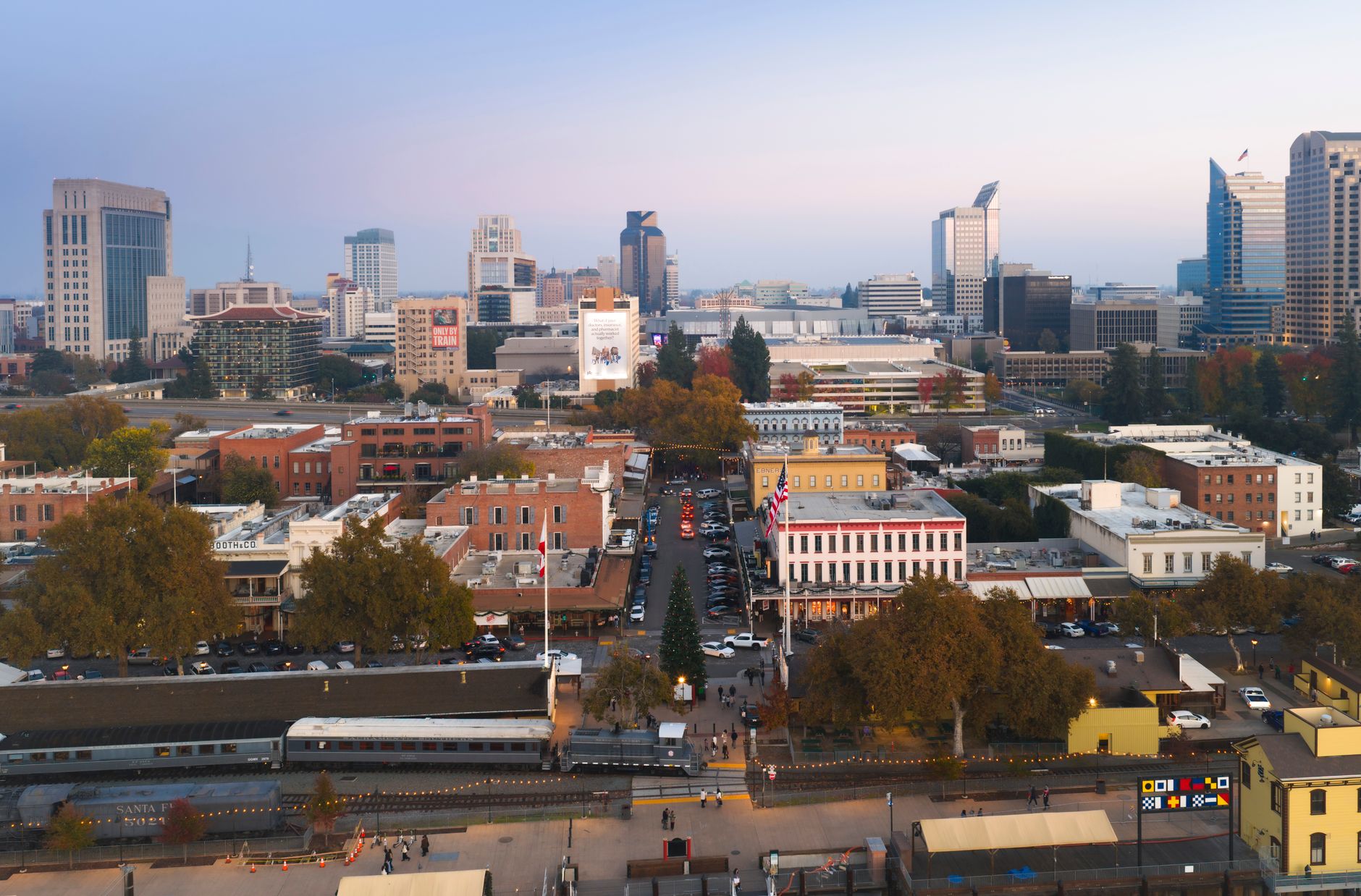
At the intersection of 15th and Q Streets in midtown Sacramento, a moving truck with a Bay Area license plate frame idles in the morning sun, its hazard lights blinking against the fresh August heat. This single truck represents a massive demographic pivot: during the first quarter of 2026, this tree-lined capital city logged a net inflow of 4,400 new residents, ranking eighth in the country for inbound migration. While doomsday podcasters whisper about an imminent crash, the actual data reveals a highly localized reorganization of the California housing market. Buyers are not fleeing the Golden State; they are simply trading the steep coastal cliffs and dense tech hubs for valley floors and spacious suburban tracts.
The New Geography of Northern California Wealth
The numbers tell an undeniable story of relocation. San Jose and San Francisco posted a net outflow of 21,230 people in early 2026, according to recent migration data from Redfin. But these departures do not signify a vacant Bay Area; instead, they represent a wealth transfer to nearby inland hubs. When a family sells a modest two-bedroom condo in San Jose for $1.5 million, they arrive in Sacramento with a massive cash advantage. This influx of capital has disrupted the traditional dynamics of the California housing market, creating a fierce battle for mid-century modern homes in Land Park and East Sacramento. According to the firsttuesday Journal analysis of California tiered home pricing, this phenomenon creates a distinct ripple effect. The entry-level tier in Sacramento is rapidly vanishing as wealthy Bay Area expatriates easily outbid local buyers, forcing native Sacramentans to search even further out, in places like Roseville or El Dorado Hills.
While Northern Californians move east toward the Sierra foothills, a parallel migration is transforming Southern California. In Riverside County, the city of Menifee has quietly become one of the fastest-growing cities in the state. Incorporated only in 2008, Menifee has seen its population swell from 78,000 in 2010 to a staggering 118,000 in 2026. This is not a slow, organic crawl; it is an overnight suburban explosion. Stucco-walled houses with clay-tiled roofs and expansive green lawns are replacing agricultural fields at a record pace, absorbing young families and retirees who have been priced out of San Diego, Orange County, and coastal neighborhoods. The California housing market is expanding outward, fueled by buyers who realize that a two-hour commute is a reasonable price to pay for a four-bedroom home with a backyard.
Climate Risk and the Flatland Pivot
Migration is not merely driven by affordability; it is increasingly shaped by environmental reality. In Southern California, the luxury market is undergoing a quiet, anxious realignment. Following the destructive wildfires of late 2025, buyers are reassessing the wisdom of living in high-risk fire zones. Redfin agents report that affluent buyers are actively retreating from the chaparral-covered hills surrounding Malibu, Altadena, and the Pacific Palisades. Instead of rebuilding or buying in these vulnerable canyons, wealthy households are pivoting toward flat, coastal neighborhoods. In Los Angeles, this has sparked a mini-boom in flatland enclaves like Santa Monica and Venice, where the marine layer offers both literal and psychological cool.
The modern luxury buyer is no longer just purchasing a view; they are purchasing a mitigation strategy against an increasingly unpredictable climate.
This shift highlights a broader truth about the modern California housing market of 2026. While some national critics predict a systemic implosion, the actual reality is one of hyper-local volatility. High-risk hillside properties face insurance cancelations and dropping demand, while nearby flatland properties command historic premiums. This is the 'Good News for California Homebuyers' highlighted in recent 2026 market updates: for those willing to look outside of traditional high-end canyons, there are pockets of opportunity where sellers are suddenly willing to negotiate.
Why the Implosion Narrative Fails
Every few months, a new crop of financial commentators publishes warnings that the state is on the verge of a catastrophic real estate collapse. Yet, year after year, the predicted decline fails to materialize. The reason lies in what economists call market elasticity and pent-up demand. Even as thousands of residents depart San Jose or San Francisco, there is a massive line of qualified buyers waiting in the wings. For decades, California has severely underbuilt housing, creating a structural deficit that cannot be erased by a few years of outward migration. When prices dip even slightly, local buyers who were previously priced out immediately rush back into the market, stabilizing values.
This elasticity prevents the kind of systemic overbuilding seen in Rust Belt cities during past economic downturns. In cities like Oakland or San Diego, the desire for homeownership remains incredibly high. Even as tech companies transition to permanent remote work or hybrid models, the physical appeal of California’s coastal lifestyle remains a powerful draw. The people leaving are often replaced by younger, highly compensated professionals who view a five percent dip in home prices as a rare green light to buy. This constant churn keeps the market remarkably resilient, even under the pressure of high interest rates and shifting corporate dynamics.
This resilience is especially evident in the Silicon Valley corridor. While some mature tech workers migrate to Sacramento, a fresh wave of artificial intelligence capital is flooding the peninsula. Massive funding rounds for AI startups in mid-2026 have minted a new generation of paper millionaires who are eager to lock in tangible real estate. Companies specializing in AI chips and robotics are securing billions in venture capital, and that money is flowing directly into the residential markets of Palo Alto, San Jose, and Mountain View. Rather than a collapse, we are witnessing a profound generational handoff. The old guard is cashing out and moving to the foothills, while the new AI elite is moving in to take their place.
Frequently Asked Questions
Where are most people moving when they leave coastal California cities?
Most residents leaving coastal hubs like San Francisco and Los Angeles are migrating to inland California cities, particularly Sacramento and Menifee in the Inland Empire. Others are moving out of state to high-growth metropolitan areas like Las Vegas, Phoenix, and various cities in Florida, seeking lower housing costs and a lower tax burden.
Why does the California housing market remain so expensive if people are leaving?
Despite net outward migration, California suffers from a decades-long housing shortage. Extreme pent-up demand means that whenever prices decline slightly, buyers who were previously priced out immediately enter the market, creating a floor for home values. Additionally, high-paying sectors like artificial intelligence continue to mint wealthy buyers who support premium pricing.
How are wildfire risks affecting home buying decisions in Southern California?
Buyers are increasingly avoiding high-risk hillside neighborhoods like Malibu and Altadena in favor of flat coastal enclaves such as Santa Monica. This climate-driven migration has caused prices in flat, low-risk neighborhoods to rise, while properties in vulnerable canyon zones face downward price pressure and rising insurance costs.
Ecomstation.ai