Irvine Real Estate: Where California Real Estate Investment Returns Rise
Khushboo Siddhiwala
Nov 4, 2026 · 5 min read
Story
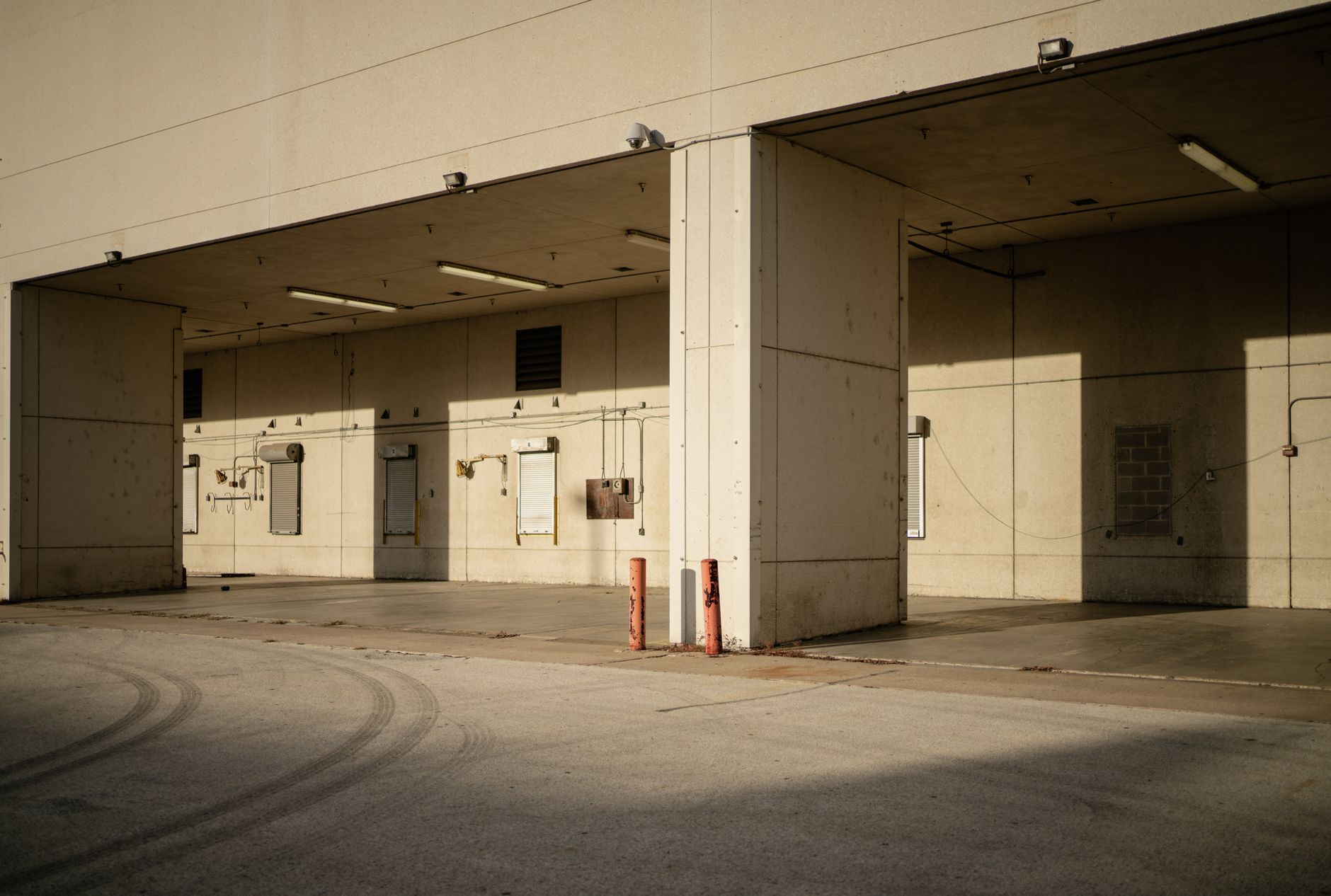
In an industrial park off Von Karman Avenue in Irvine, a 600,000-square-foot warehouse conversion recently wrapped up construction, marking one piece of a $1.5 billion asset realignment by Rexford Industrial across Southern California. While national headlines tag the Golden State housing scene as one of the colder real estate environments of 2026, institutional capital is operating under an entirely different set of rules. Smart capital operators looking for solid California real estate investment returns are bypassing speculative housing flips and turning attention toward light industrial facilities, infill logistics assets, and targeted commercial retrofits. With statewide single-family home median prices sitting at $752,837 according to recent transaction data, investor focus has aggressively pivoted from relying on rapid price appreciation to securing immediate operational cash flow.
The Great Orange County Industrial and Office Pivot
In Orange County, commercial market dynamics offer a vivid picture of asset divergence. Brokerage firm Cushman and Wakefield recently analyzed 220 office tenant relocations across Orange County, finding that corporate occupiers are capitalizing on elevated office vacancies to negotiate substantial landlord concessions and tenant improvement allowances. However, traditional office towers are not where the highest yields live. The modern flight to quality favors energy-efficient, sustainable facilities. Corporate tenants in Santa Ana and Irvine are willingly paying rent premiums for properties holding verified energy certifications like LEED or WELL, knowing that lower operational expenditures directly shield their balance sheets against rising utility costs. Simultaneously, industrial real estate in Southern California continues to display exceptional strength compared to commercial office footprint. Landlords repositioning older industrial structures into high-performance distribution centers are securing long-term leases far quicker than legacy office owners. For private investors evaluating long-term California real estate investment returns across commercial portfolios, capital is clearly flowing toward essential industrial hubs that guarantee tenant retention over speculative office complexes.
San Jose Tech Capital Drives Northern California Cash Flow
Shifting north to San Jose and the broader Silicon Valley, residential multi-family and light flex properties showcase a contrasting dynamic. Even as high interest rates cooled transaction volume in rural inland regions, Northern California innovation hubs remain remarkably resilient. The massive influx of venture capital—with global venture funding pouring $242 billion into artificial intelligence startups throughout 2026—has infused significant purchasing power directly into local real estate markets. Tech founders, software engineers, and corporate executives moving to San Jose and Santa Clara are putting pressure on rental housing inventory. Recent Zillow market reports show California average monthly rents climbing to $2,750, up by $40 month-over-month. In core Bay Area neighborhoods, rent growth on updated single-family homes and multi-family units is outpacing state averages. Investors who backed urban infill residential projects in Silicon Valley earlier this year are enjoying low vacancy rates and stable income margins, proving that localized tech expansion can effectively buffer portfolios against broader housing market cool-downs.
Montecito Luxury and Coastal Rental Demand Shifts
Further south along the coast in Montecito, high-end residential real estate operates in a world of its own. In ultra-wealthy enclaves famous for grand estates owned by figures like Oprah Winfrey, trophy properties continue to hold premium valuations that resist standard market friction. Yet secondary luxury markets and coastal single-family rentals in Santa Barbara County present a notable operational shift. Persistent high home prices and elevated mortgage rates have forced affluent prospective buyers to remain in the rental market longer, boosting tenant demand for luxury single-family homes. While gross capitalization rates on multi-million dollar coastal estates remain historically low, consistent rental growth offers a defensive cash cushion. As the California Association of Realtors publishes its 2027 market forecast predicting gradual stabilization in overall sales volume, sophisticated wealth advisors are pairing low-yield trophy residential assets in Montecito with high-yield industrial holdings across Inland Southern California to balance overall California real estate investment returns across portfolios.
The smartest capital in California right now isn't chasing rapid price appreciation—it is anchoring itself in essential industrial hubs and supply-constrained tech corridors.
AI Underwriting Tools and 2027 Market Projections
The methodology behind property underwriting has fundamentally shifted over recent weeks. Investors are increasingly turning to new software tools highlighted on discovery hubs like Launch AI Jam to evaluate localized demographics, regional power availability, and zoning patterns in real time. Instead of relying on lagging quarterly economic reports, active buyers in Los Angeles, San Diego, and Sacramento are using automated market intelligence to pinpoint exact ZIP codes where tenant demand will outpace housing deliveries over the next eighteen months. With residential apartment construction slowing dramatically after the rapid building boom of recent years, apartment delivery bottlenecks are set to constrain rental inventory well into 2027. Sophisticated buyers who reconfigure their deal screening processes today to target supply-constrained urban pockets are uniquely positioned to optimize California real estate investment returns as the market evolves.
Reframing the California Investment Playbook
Examining today’s market metrics proves that describing California real estate as simply cold or hot fails to capture where wealth is actually generated. Value in late 2026 is created not by waiting for state-wide market tailwinds, but by executing hyper-specific asset strategies. Winning investors are structuring portfolios that balance high-performing Orange County industrial repositioning deals, high-demand San Jose tech-worker rentals, and irreplaceable Montecito coastal real estate.
Frequently Asked Questions
Where are investors seeing the highest real estate yields in California right now?
Light industrial properties and infill logistics hubs in Orange County and the Inland Empire are producing some of the strongest risk-adjusted returns, backed by tight vacancy and consistent corporate tenant demand for modernized facilities.
How are high venture capital investments in AI impacting Northern California housing?
Venture capital funding exceeding $242 billion in the AI sector has driven strong job growth and high-earner migration into San Jose and Silicon Valley, keeping rental demand strong and supporting multi-family performance despite state-wide transaction slowdowns.
What is the projected trend for California rental rates heading into 2027?
With multi-family construction slowing down from previous peak years, rental inventory is expected to tighten, supporting steady monthly rental gains across major metropolitan areas including Los Angeles, San Diego, and the Bay Area.
Ecomstation.ai
