Is Koreatown a Good Place to Invest in Real Estate?
Khushboo Siddhiwala
Oct 13, 2026 · 5 min read
Story
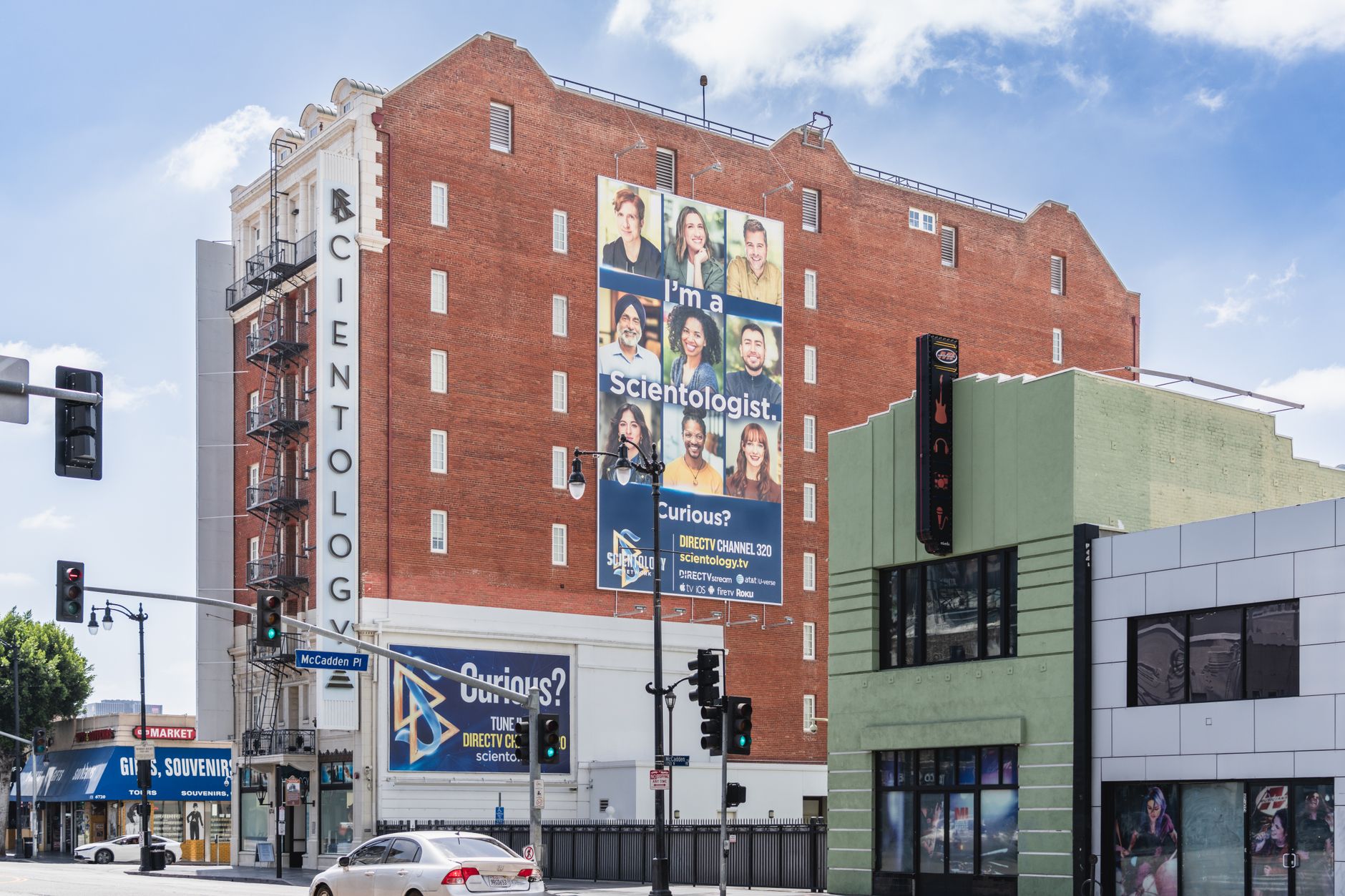
A ten-unit brick apartment complex standing near the intersection of Wilshire Boulevard and Normandie Avenue in Los Angeles carries a cap rate of 5.2 percent and tells a clear story about modern urban density. For buyers analyzing whether Koreatown is a good place to invest in real estate, the answer comes down to strategy rather than sheer speculative luck. Koreatown offers some of the highest residential rental demand in Southern California, lower relative entry prices per unit than the Westside, and consistent long-term price appreciation averaging 7.5 percent annually. However, successful acquisition requires understanding the nuances of local tenant laws, capitalization rates ranging from 4.5 to 5.5 percent, and the distinct mechanics of urban multifamily assets. Investors looking for immediate cash flow from short-term vacation rentals will find friction, while long-term landlords seeking steady equity creation will discover one of the most reliable submarkets in Los Angeles.
Cap Rates and Capital Allocations in Central Los Angeles
Evaluating whether to invest in real estate in Koreatown requires calibrating return expectations against broader Los Angeles standards. A typical residential property in Koreatown trades at cap rates between 4.5 percent and 5.5 percent, depending on the physical condition of the building and the current rent-to-market spread. While markets in smaller regional cities might promise initial capitalization rates above 7 percent, central Los Angeles compensates through low structural vacancy and historical asset growth. Total returns on investment in Los Angeles historically settle between 6 percent and 10 percent when accounting for principal reduction and equity gains over five to ten years.
The financial architecture of a Koreatown apartment building often features significant upside locked behind existing rent rolls. A standard ten-unit property generating $138,000 in gross scheduled annual income yields roughly $81,000 in net operating income after accounting for operating expenses and baseline vacancy. On a purchase price around $1.5 million to $5 million depending on scale, the initial cash-on-cash return may appear conservative. Yet the density of Koreatown—where over 120,000 residents inhabit roughly three square miles—ensures that tenant replacement times remain among the briefest in California. The market does not reward passive coupon-clippers; it rewards operators capable of steady capital improvement programs that capture market-rate adjustments over time.
Navigating Rent Control and Value-Add Realities
Understanding local housing governance is essential for anyone considering if Koreatown is a good place to invest in real estate. The majority of vintage apartment assets in Koreatown fall under the Los Angeles Rent Stabilization Ordinance, which limits annual rent increases for existing tenants. A unit currently renting at $1,150 per month may sit adjacent to a renovated counterpart achieving $2,300 per month on the open market. This disparity represents both the primary hurdle and the primary value-driver for regional landlords.
The real value in Koreatown real estate lies not in day-one cash flow, but in the permanent gap between current rent rolls and the structural demand of central Los Angeles.
Unlocking that value demands a patient capital strategy rather than aggressive short-term turnover. Property owners who achieve superior returns focus on long-term capital improvement plans, adding modern interior amenities, updating plumbing systems, and enhancing structural seismic resistance. When natural tenant turnover occurs, bringing those units up to high-end finishes allows owners to mark rents up to market rates, instantly expanding net operating income and building valuation.
Long-Term Growth Versus Short-Term Rental Limitations
Investors weighing whether Koreatown is a good place to invest in real estate must draw a sharp line between traditional long-term rentals and short-term vacation models. While cities like San Diego or Palm Springs sustain robust vacation rental ecosystems, short-term rentals in Koreatown present significant operational drag. Municipal Los Angeles regulations strictly regulate home-sharing, limiting primary residence hostings and imposing strict enforcement protocols. Combined with average Airbnb occupancy rates sitting near 58 percent and below-average nightly rates relative to cost of living, short-term operators face squeezed margins.
By contrast, long-term residential housing in Koreatown enjoys fundamental supply constraints that protect investor capital. Bound by East Hollywood to the north and Westlake to the east, Koreatown possesses virtually no undeveloped land. Every new development requires complex land assemblage or adaptive reuse, keeping long-term inventory constrained while commercial growth brings tech, healthcare, and creative workers into the district. The district delivers solid 7.5 percent annual price appreciation precisely because land scarcity guarantees ongoing buyer competition.
Evaluating whether Koreatown is a good place to invest in real estate ultimately requires shifting focus away from quick operational yields toward enduring urban geography. In a sprawling city like Los Angeles, density and central placement remain the ultimate hedges against market volatility. Koreatown sits directly between Downtown Los Angeles and the Westside, anchored by public transit arteries and continuous commercial investment. For real estate investors structured for five-to-ten-year horizons, the neighborhood offers something far more reliable than speculative boom-and-bust cash flow: an unshakeable position in the beating heart of Southern California.
Frequently Asked Questions
What is the average cap rate for investment properties in Koreatown?
Cap rates for apartment buildings and residential properties in Koreatown generally range between 4.5 percent and 5.5 percent. Higher cap rates typically reflect older properties requiring immediate seismic or mechanical updates, while fully renovated properties command lower initial yields due to reduced operational risk.
Is short-term renting profitable in Koreatown Los Angeles?
Short-term rentals in Koreatown generally underperform compared to traditional long-term leases. Strict Los Angeles municipal home-sharing ordinances, moderate vacation occupancy rates around 58 percent, and modest nightly yields make long-term residential leases the preferred strategy for maximizing risk-adjusted investment returns.
How does Los Angeles rent control impact Koreatown real estate investors?
Many Koreatown properties fall under the Los Angeles Rent Stabilization Ordinance, restricting annual rent increases for existing tenants. While this caps immediate cash flow on long-term occupants, it creates substantial value-add potential when units naturally turn over and can be renovated to achieve current market rents.
Ecomstation.ai