Is Koreatown Good for Families? Schools, Safety, and Community
Khushboo Siddhiwala
Oct 19, 2026 · 5 min read
Story
At a median home value near seven hundred thousand dollars and median rents hovering around two thousand dollars, Koreatown in Los Angeles offers a high-density lifestyle that directly answers a central question for urban parents: is Koreatown good for families? The short answer is yes, provided your family values vibrant culture, world-class food, and exceptional transit access over quiet suburban cul-de-sacs and sprawling grassy backyards. As one of the most densely populated districts in Los Angeles, Koreatown delivers a distinct urban rhythm where multi-generational living is normal and rich community amenities sit right outside your front door. Raising children here means trading a traditional suburban lawn for immediate access to cultural landmarks, neighborhood bakeries, and some of the most innovative public magnet schools in central Los Angeles.
Navigating Public and Private Schools in Koreatown
When evaluating if Koreatown works for raising children, the educational landscape provides surprising strengths. The neighborhood hosts nineteen public schools serving nearly ten thousand students across a compact geographic footprint. High-performing options like Charles H. Kim Elementary School and Dr. Sammy Lee Medical and Health Science Magnet Elementary School earn strong marks for academic rigor and specialized language immersion pathways.
For middle school students, Young Oak Kim Academy provides a focused science and technology curriculum inside a modern facility on Shatto Place. Meanwhile, the historic site of the former Ambassador Hotel on Wilshire Boulevard now houses the Robert F. Kennedy Community Schools complex, a landmark educational campus featuring six distinct public academies under one roof. Among them, the UCLA Community School stands out for its progressive curriculum developed in direct partnership with university researchers. Parents seeking independent education look to Pilgrim School on Commonwealth Avenue, an established private institution offering college preparatory instruction from preschool through twelfth grade. The high concentration of local schools means many children walk directly to campus alongside their neighbors, fostering a grounded community feel right in the heart of Los Angeles.
Realities of Street Safety and Walkability
Safety and daily street life in Koreatown reflect the dynamic realities of any major central-city district. Running roughly between Vermont Avenue and Western Avenue, with Wilshire Boulevard serving as its primary commercial spine, Koreatown maintains heavy foot traffic from early morning until late at night. This constant street activity creates a natural form of neighborhood presence, with open storefronts, late-night dining spots, and steady pedestrian movement keeping main corridors lit and energetic.
However, practical safety for families in Koreatown relies on understanding street-level nuances. Street parking is notoriously competitive, meaning residential side blocks feature dense cars and frequent turnover during peak commuter hours. Navigating crosswalks with young children requires active attention, particularly along high-speed thoroughfares like Olympic Boulevard and 6th Street. Parents in the district emphasize the importance of establishing safe walking routes to local schools and choosing apartment buildings with secure underground parking and controlled entry systems. Block by block, the feel of Koreatown can shift from quiet residential pockets dominated by historic craftsman buildings to intense commercial corridors.
Green Spaces, Food Culture, and Everyday Community
While Koreatown lacks sprawling municipal parks, local families adapt by turning urban recreational spaces into active neighborhood centers. Lafayette Park on Wilshire Boulevard offers a popular gathering spot complete with a skate park, playground, and indoor community center run by the city of Los Angeles. Nearby, the Shatto Recreation Center provides sports courts and youth programming that bring area kids together after school.
Choosing Koreatown means raising kids who move comfortably through a complex, diverse world long before they ever leave for college.
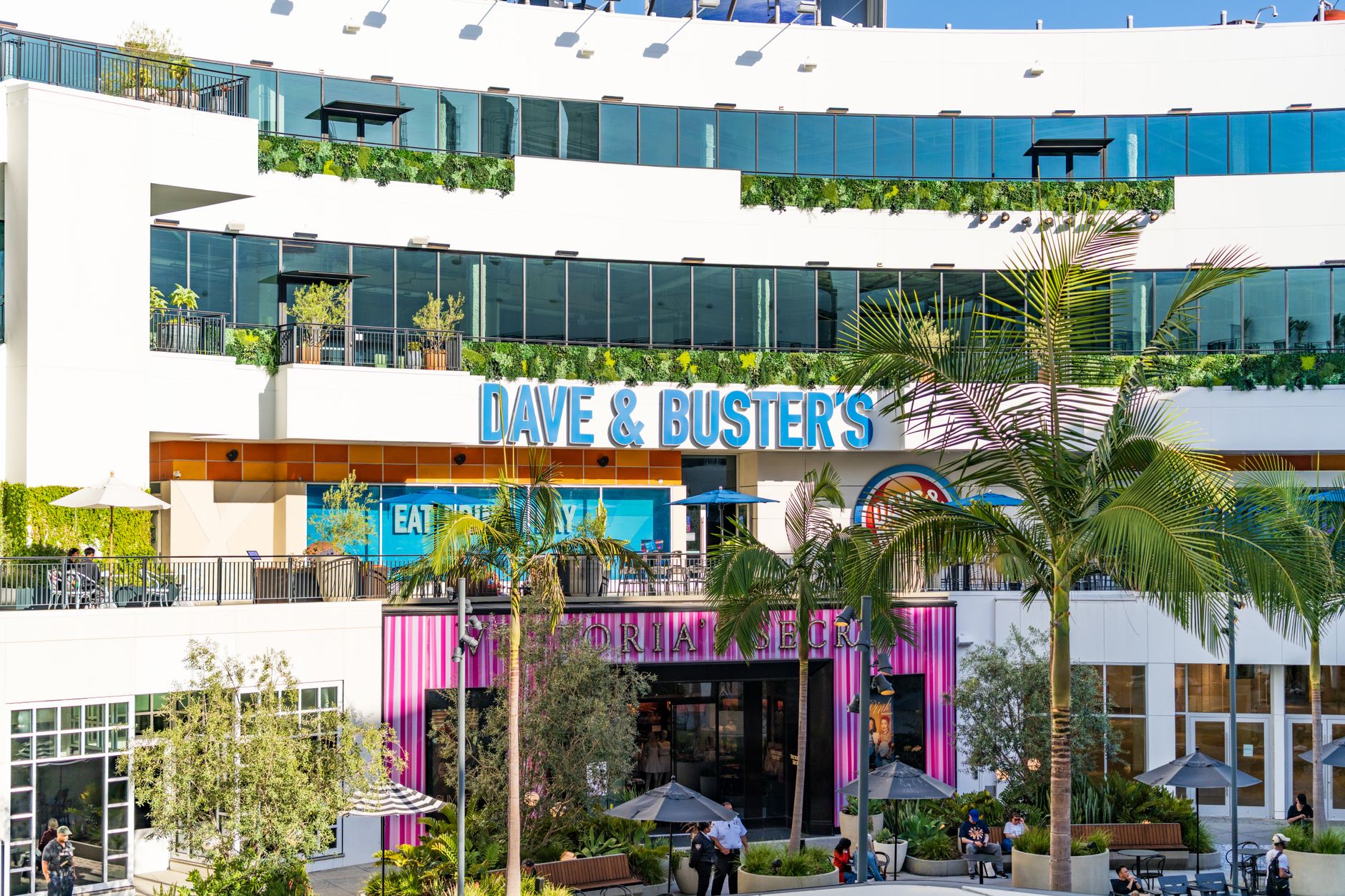
Beyond traditional parks, the community texture of Koreatown is built around shared indoor spaces and multi-generational food culture. Weekend family routines often revolve around multi-story commercial centers like City Center on 6th, where parents shop for groceries while grandparents and children share traditional rice cakes or pastries. Dining out is fundamentally a family event here; Korean barbecue spots, soup houses, and casual bakeries routinely welcome multi-generational groups late into the evening. This deep cultural emphasis on family inclusion creates a welcoming environment where children are an expected, visible part of daily life across central Los Angeles.
How Koreatown Compares to Neighboring Districts
Parents exploring mid-city Los Angeles often weigh Koreatown against adjacent neighborhoods like Silver Lake, Hancock Park, and Mid-Wilshire. While Hancock Park offers expansive single-family houses and leafy residential streets at significantly higher price points, Koreatown provides a far more accessible entry point into central city living. Comparing rents and square footage reveals that Koreatown delivers superior proximity to Metro subway lines, making commute times to Downtown Los Angeles or Hollywood remarkably short.
The trade-off comes down to environment and lifestyle priorities. Families who thrive in Koreatown appreciate the convenience of stepping out their front door to get fresh produce, catch a train, or grab dinner without ever turning an ignition key. Rather than measuring quality of life by square footage alone, successful Koreatown families view the entire neighborhood as an extension of their living room.
Frequently Asked Questions
Is Koreatown walkable for families with strollers? Yes, Koreatown features continuous sidewalk networks and accessible curb ramps along major avenues like Wilshire Boulevard and 3rd Street. However, busy pedestrian traffic and heavy vehicle volume mean parents should stay attentive while navigating busier intersections with small children.
What public transit options serve families in Koreatown? Koreatown is one of the best-connected transit hubs in Los Angeles, served by Metro subway stations at Wilshire Vermont and Wilshire Western. Numerous local bus routes run through the neighborhood, giving families fast access to Downtown Los Angeles, Hollywood, and the Westside without needing a car.
Are there dedicated activities for kids in Koreatown? Local recreation centers including Shatto Recreation Center and Lafayette Park offer organized youth sports, dance classes, and after-school programs. Additionally, local libraries and cultural organizations host regular bilingual story sessions and community workshops for neighborhood youth.
Ecomstation.ai