Jennifer Lopez Paid $18 Million to Stay. The Question Is Whether Anyone Else Will.
Khushboo Siddhiwala
May 21, 2026 · 4 min read
Story
Three months after finalizing her divorce from Ben Affleck, Jennifer Lopez signed the papers on an $18 million Los Angeles home. The transaction, which closed in late March 2025, was covered everywhere as a celebrity divorce story, a tabloid coda, a punchline about expensive fresh starts. What it actually is, read correctly, is a statement of conviction in a city that a surprising number of people are quietly walking away from.
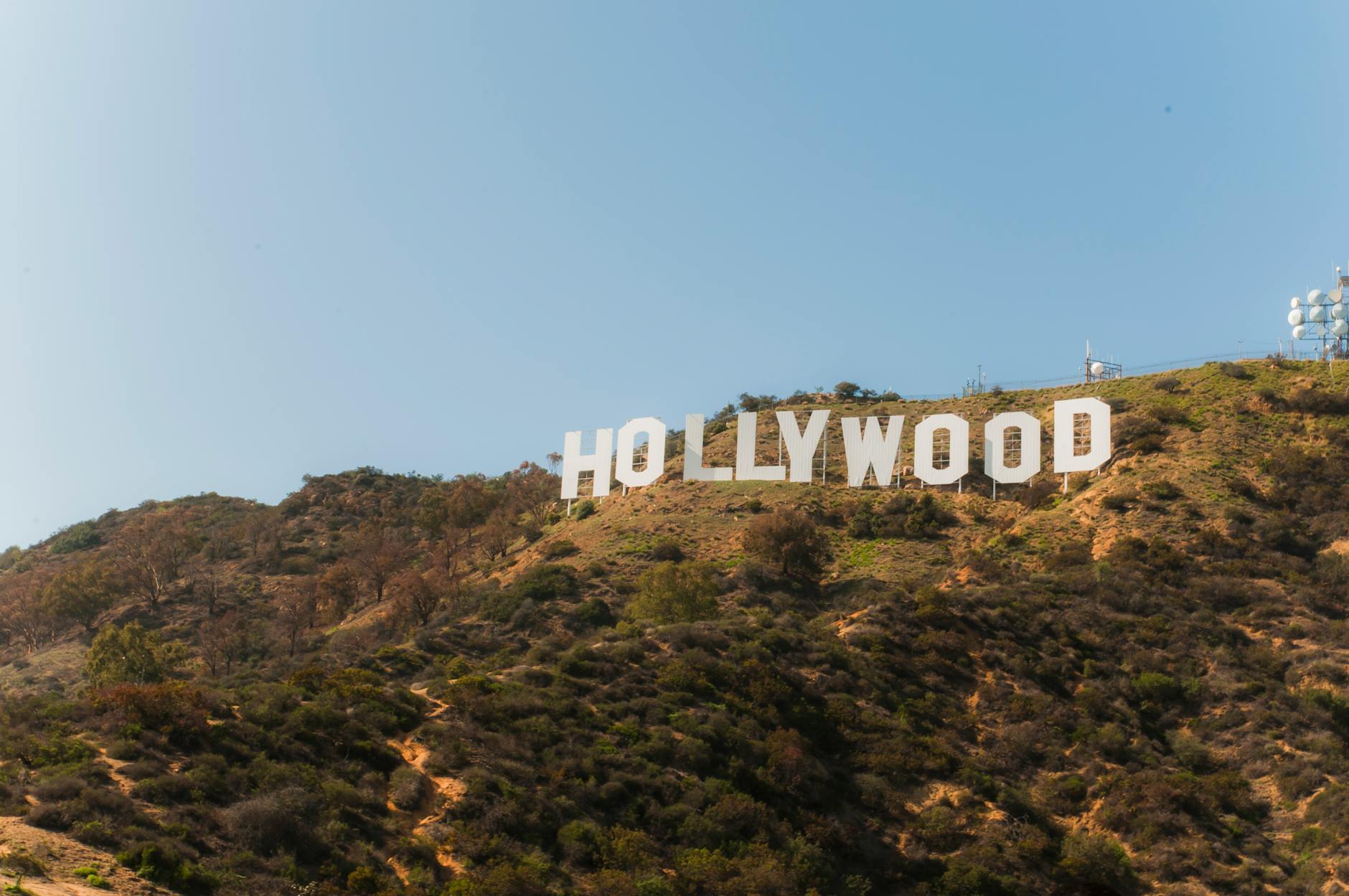
Los Angeles is experiencing something it has rarely had to reckon with: doubt. Not the performative kind, the dinner-party complaint about traffic and taxes that Angelenos have been delivering with practiced weariness for decades. Real doubt. Structural doubt. As of mid-2025, 38.1 percent of local home shoppers were actively looking at properties in other states. The median list price here sits at $1.2 million, against Atlanta's $420,000, Austin's relative affordability, and Miami's increasingly polished pitch to the wealth class. Meanwhile, in the Hollywood Hills, trophy properties are sitting unsold for quarters at a time, their asking prices slowly, quietly revised downward by publicists who have learned to frame a price cut as a 'strategic recalibration.'
Against this backdrop, Lopez's purchase is not merely gossip. It is, in the language of real estate, a signal. She could have gone anywhere. Post-divorce, post-Affleck, post-whatever narrative chapter she is closing, she had the freedom and the resources to plant herself in Miami, where the billionaire migration has turned Brickell into a proxy Manhattan, or in New York, where she built her early career. She chose Los Angeles. She chose to spend seriously in Los Angeles. That choice deserves more analytical attention than it has received.
The property in question — reported to be a compound in one of the canyons above Beverly Hills — represents the category of home that has actually held its value with some resilience during the broader market softening: private, gated, architecturally significant, with the kind of indoor-outdoor flow that remains a distinctly Southern California proposition. You cannot replicate the feeling of a Hans Wegner chair facing a canyon at dusk in a Brickell high-rise, no matter how spectacular the Biscayne Bay view. This is still, for a certain kind of buyer, irreplaceable geography.
The more interesting comparison is not Miami versus Los Angeles, but the two tiers now visibly splitting within the Los Angeles market itself. At the very top — the $15 million and above stratum where Lopez is buying and where a recently listed megamansion in the hills above Bel Air has come to market at $65 million after seven years of construction — demand remains idiosyncratic but real. These are not buyers who are particularly sensitive to interest rates. They are not running spreadsheets on cap rates. They are buying privacy, provenance, and the particular status signal that a serious Los Angeles property still transmits globally. The Ritz-Carlton Residences at LA Live continue to find buyers who want the full-service hotel experience stitched into their ownership. Certain zip codes around Brentwood and Holmby Hills have not meaningfully corrected.
But in the $1 million to $3 million band — the range that captures the aspirational professional class, the entertainment industry middle, the people who built careers here and assumed the equity would compound indefinitely — the calculus has shifted uncomfortably. These are the buyers the 38.1 percent statistic is actually counting. These are the people loading Zillow for Nashville and Scottsdale at midnight, running numbers they would have found unthinkable five years ago.
What Lopez's transaction illuminates, however inadvertently, is that the story of Los Angeles real estate in 2026 is not one of collapse. It is one of divergence. The city is not dying; it is stratifying with new sharpness, sorting itself into the tier that never seriously considers leaving and the tier that already has one foot out. The $18 million buyer and the $1.2 million median buyer are increasingly living in different cities that happen to share a county line.
The real estate question for Los Angeles in the next five years is not whether the wealthy will stay. They will. The question is what a city looks like when the middle of the market starts to genuinely believe it has better options somewhere else — and whether Los Angeles will decide that question matters before the answer makes itself plain.
Ecomstation.ai