Mastering Closing Costs California Fees: A Pasadena Guide
Khushboo Siddhiwala
Sep 13, 2026 · 7 min read
Story
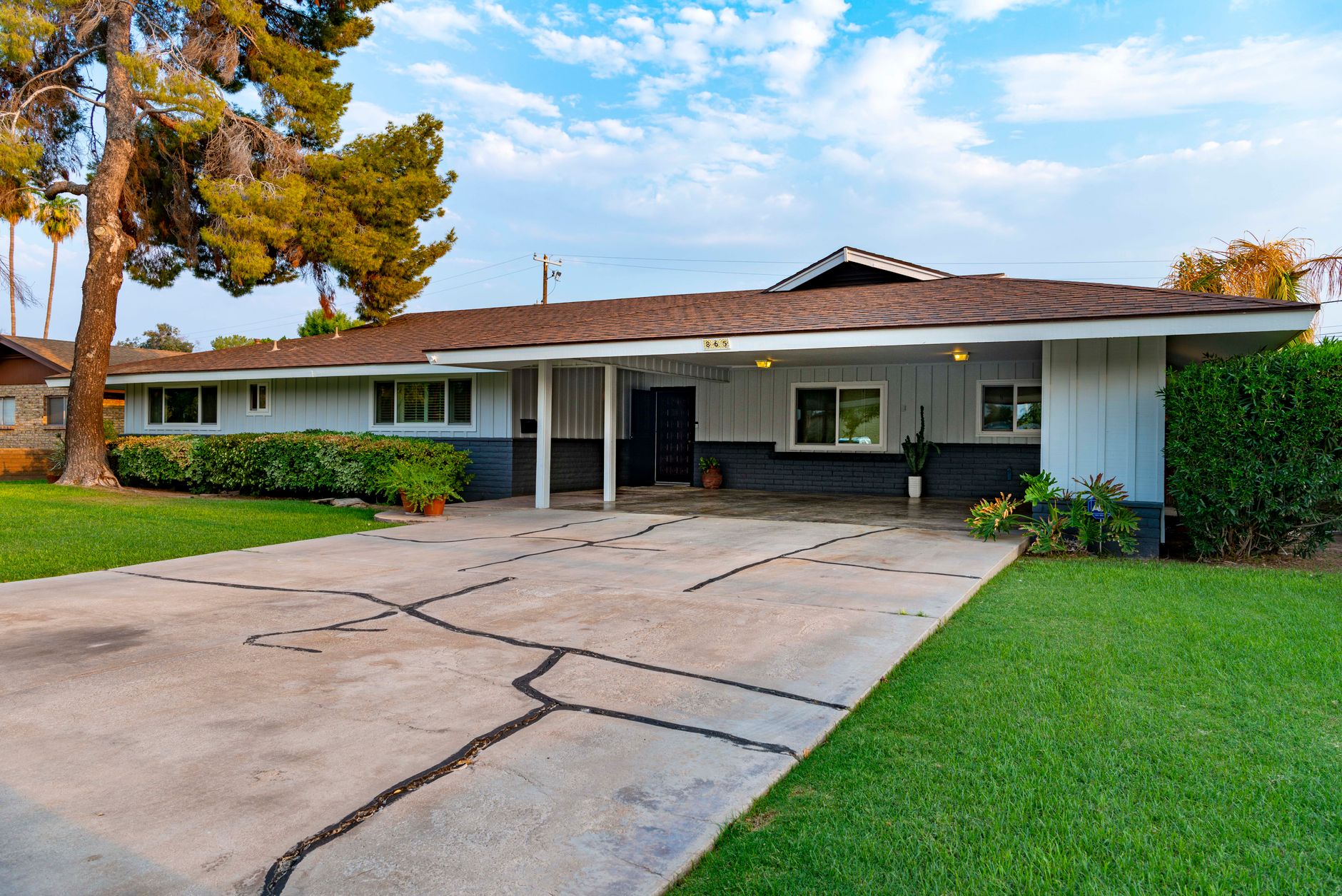
Sarah is standing under the purple canopy of jacaranda trees on North El Molino Avenue in Pasadena, holding a signed purchase contract for a nine-hundred-and-fifty-thousand-dollar Craftsman bungalow. She spent three years saving exactly one hundred and ninety thousand dollars to meet her twenty percent down payment goal. But as she opens the PDF of her loan estimate from her bank, her throat goes dry. The document lists an extra twenty-eight thousand dollars due in cash in less than thirty days. This is the moment many homebuyers encounter the reality of the closing costs California buyers must pay to cross the finish line. These are the legal, administrative, and processing fees required to finalize a real estate transaction and officially transfer property ownership.
When you buy a home, the purchase price is only the first of several financial obligations. Closing costs represent the processing fees you pay to lenders, county offices, title companies, and escrow officers to legally transfer the property into your name. While your down payment goes directly toward building equity in your new home, closing costs are administrative expenses that fund the machinery of the transaction. In communities throughout Los Angeles, these charges typically range from two to five percent of the loan amount. This means a buyer must prepare a separate reserve of liquid cash long before they can collect their new keys to start their new lives.
The Behind-the-Scenes Actors of Escrow
To understand where this money goes, it helps to view the transaction as a stage production with several behind-the-scenes actors who must be compensated. Your mortgage lender charges fees to evaluate your credit history, verify your employment history, and underwrite the loan. An independent appraiser must visit the property to confirm it is actually worth the agreed sales price. Furthermore, a title insurance company conducts a thorough search of public records to ensure the seller actually holds the legal right to sell the home and that no hidden liens or unpaid construction bills are attached to the land. Each of these professionals requires payment at the time of closing to help manage the closing costs California lenders write into their final contracts.
In Southern California, the division of these fees has its own distinct rhythm. If you are buying a home in San Diego or Orange County, custom dictates that the buyer and seller split the escrow fees down the middle, fifty-fifty. However, if you move up the coast to San Francisco, local tradition flips this arrangement, and the buyer typically pays the entirety of the escrow fee. Additionally, many Northern California municipalities impose a tiered transfer tax that can quickly inflate the final bill on historic properties. These localized habits make it essential to work with an agent who understands the regional conventions of your specific neighborhood. Understanding these nuances before drafting your initial offer can prevent a last-minute scramble for funds when your closing date approaches.
The Geographic Division of Title Insurance
This geographic variation extends to title insurance policies as well. In Northern California counties, the buyer usually pays for both the buyer's and lender's title insurance policies. In Southern California, the seller frequently covers the buyer’s policy, while the buyer covers the lender’s policy. These regional customs are not laws, but they serve as the default negotiation starting points for real estate transactions. Understanding these local norms prevents you from overpaying for services that the other party would normally cover in your specific zip code, helping you calculate the closing costs California transactions require with greater precision.
The most common surprise for a first-time homebuyer is the category of expenses known as prepaids. These are not actually fees for services rendered, but rather advance payments for expenses you will owe as a homeowner anyway. Lenders require you to establish an escrow account to ensure your future property taxes and homeowner’s insurance premiums are paid on time. If you close your transaction in November in a city like Sacramento, you might have to prepay several months of property taxes upfront to align with the county's fiscal tax schedule.
When you buy a home in California, the down payment is just the ticket to enter the theater; closing costs are the price of the actual seat.
Additionally, you must prepay daily interest on your mortgage from the day you close until the end of that first calendar month. If you close on the fifth day of a thirty-one-day month, you owe twenty-six days of interest upfront. If you close on the thirtieth, you owe only one day. This timing detail can change your cash-out-of-pocket requirement by thousands of dollars, making the date of your closing one of the most critical decisions in your entire purchase timeline to minimize the closing costs California home purchasers must pay.
Strategies to Trim Your Settlement Costs
Many buyers accept their initial loan estimate as an unchangeable decree, but several components of your final bill are highly negotiable. You have the right to shop around for third-party services, including title insurance and settlement agents. Your lender will provide a list of preferred providers, but you can often find more competitive rates by researching independent firms in nearby cities like Glendale or Long Beach. Comparing these options can save you hundreds of dollars on administrative overhead, particularly when negotiating the closing costs California title firms assess.
Another powerful tool is the seller concession. In a balanced housing market, you can write an offer asking the seller to pay a portion of your closing costs. For instance, if you are purchasing a home in San Jose, you might offer the full asking price but request a three percent credit back from the seller to cover your non-recurring closing costs. This effectively rolls your transactional expenses into your long-term mortgage, preserving your liquid savings for immediate home repairs, moving trucks, and the inevitable furniture purchases that follow any major move.
Ultimately, viewing closing costs as a hostile obstacle is a mistake. Instead, think of them as the protective shield that secures your investment. The title search that costs you a thousand dollars in Santa Barbara is the very process that guarantees no historic creditor can knock on your door three years from now claiming ownership of your backyard. The appraisal fee ensures you are not overpaying for an asset. When you shift your perspective from viewing these fees as bureaucratic friction to seeing them as the necessary foundation of secure homeownership, the final wire transfer becomes a milestone of achievement rather than a painful departure of capital.
Frequently Asked Questions
What is the difference between recurring and non-recurring closing costs?
Non-recurring closing costs are one-time fees paid to finalize the purchase, such as escrow fees, title insurance, home appraisals, and notary charges. Recurring closing costs are ongoing expenses that you pay in advance and will continue to pay as a homeowner, including property taxes, homeowner’s insurance, and prepaid mortgage interest.
Can I roll my closing costs into my home loan in California?
While you cannot directly add closing costs to your loan amount on a standard purchase mortgage, you can achieve a similar result through seller concessions or lender credits. You can negotiate for the seller to pay a percentage of your closing costs in exchange for a slightly higher purchase price, or accept a slightly higher interest rate from your lender in exchange for a credit that covers your upfront fees.
Who pays the documentary transfer tax in California?
The documentary transfer tax is a fee charged by the county or city to transfer the real estate deed. Who pays this tax depends entirely on local custom and negotiation. In Southern California, the seller typically pays the county transfer tax, while in Northern California, the buyer often pays. In some cities with high local municipal transfer taxes, the fee is split fifty-fifty.
Ecomstation.ai