New California Residential Developments in Anaheim and San Diego
Khushboo Siddhiwala
Oct 21, 2026 · 7 min read
Story
On West Lincoln Avenue in Anaheim's 92801 ZIP code, a fenced four-acre parcel of weeds and cracked asphalt has sat undisturbed since the bulldozers flattened a mid-century motel in 2002. Today, concrete trucks are queued along the curb as crews clear the footprint for a four-story building containing 50 for-sale condominiums. Five of those homes will remain deed-restricted for low-income buyers for the next 55 years under state density bonus provisions. It is a modest footprint on paper, but it reflects a massive structural shift taking place across California residential developments this autumn. High land costs, elevated borrowing rates, and aggressive legislative mandates in Sacramento are reshaping where developers dig and what buyers can actually acquire. While casual observers fixate on interest rates, institutional capital and merchant builders are breaking ground on high-density infill sites across Orange County, San Diego, and San Francisco.
The Infill Blueprint Transforming Orange County
The project on West Lincoln Avenue falls inside the Beach Boulevard Specific Plan, an urban corridor where city planners are methodically replacing blighted commercial strip centers with multi-family residential zoning. For two decades, regional homebuilders avoided these infill sites due to legacy environmental reviews and local community pushback. The regulatory landscape of late 2026 has erased those historic excuses. According to recent CALIFORNIA ASSOCIATION OF REALTORS market reports, the statewide median home price hovers near $900,000 while thirty-year fixed mortgage rates average 6.52 percent. With single-family detached homes priced out of reach for average working households, builder appetite for medium-density attached product in sub-markets like Anaheim and Santa Ana has reached a five-year peak.
Suburban greenfield master plans in inland areas like Riverside and San Bernardino are no longer the single driver of housing volume. Instead, urban redevelopment projects built under density bonus incentives are providing vital new inventory. These provisions allow developers to boost unit counts by up to 50 percent in exchange for setting aside a fraction of affordable units. In Orange County, where townhome and condominium inventories remain under two months of supply, these infill California residential developments represent a primary path to ownership for buyers earning under $160,000 annually.
San Diego Clears Environmental Hurdles for Midway Rising
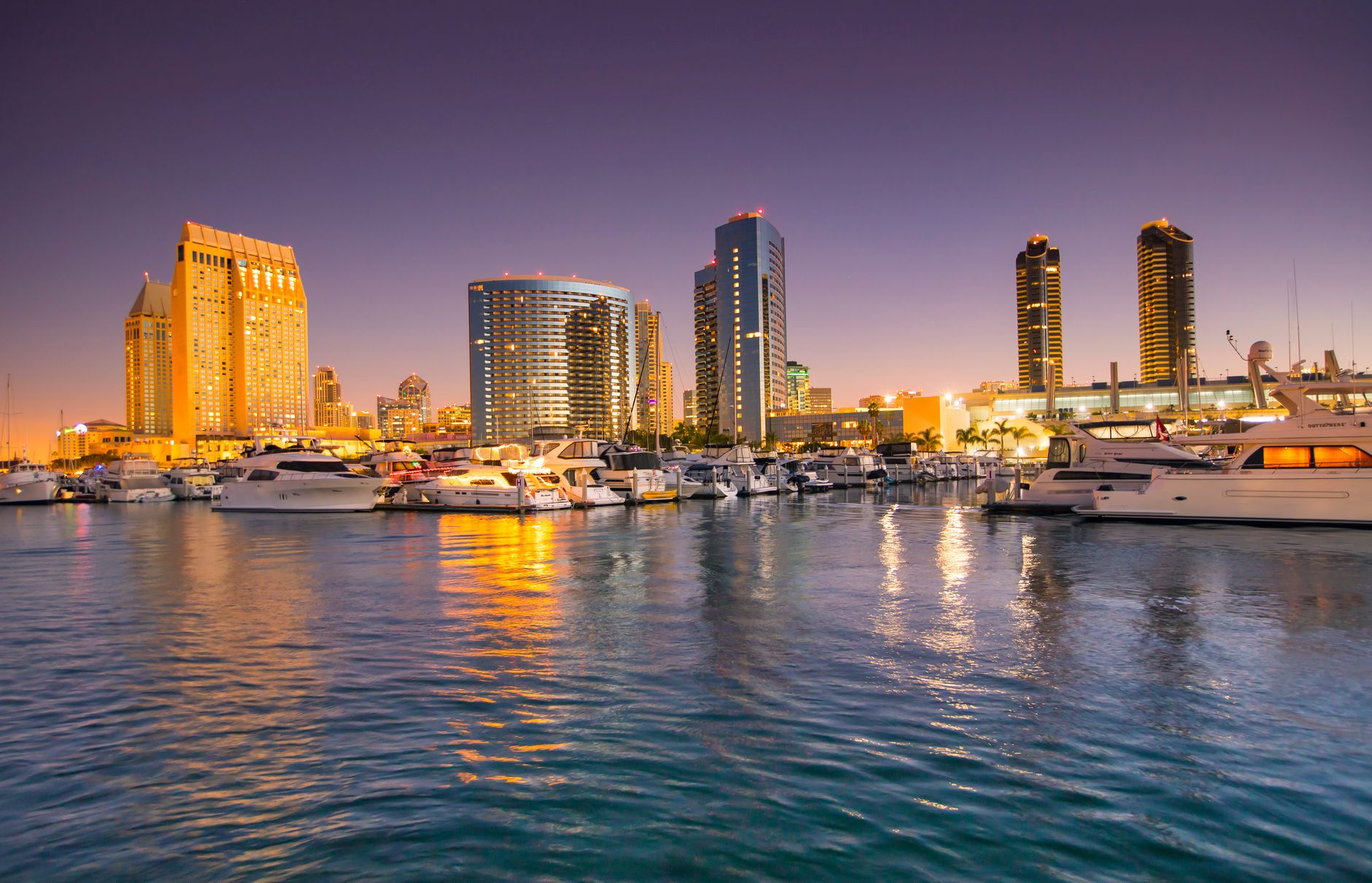
Two hundred miles south in San Diego, municipal planners just cleared the largest administrative bottleneck in the city's modern history. Through Senate Bill 344, state lawmakers officially deemed the Environmental Impact Report for the Midway Rising project fully complete and legally sufficient under the California Environmental Quality Act. In San Diego's 92110 ZIP code, this legislative action prevents opposition groups from delaying the transformation of the 48-acre Sports Arena site. The massive mixed-use development will deliver more than 2,600 residential units into a coastal market starved for listing inventory. Crucially, 20 percent of those total units are designated as permanently affordable housing.
Beyond sheer residential capacity, Midway Rising combines high-density apartments with commercial research labs, retail districts, and a waterfront park network. Ground assembly on the first four active parcels is underway this month, with construction cranes assembling along Sports Arena Boulevard. In a city where median home values reached $985,000 earlier this year, adding thousands of homes near urban transit hubs is the primary defense against regional population flight. State lawmakers are making it clear that when local municipalities draft thorough environmental reviews, the state will step in to insulate those megaprojects from endless legal challenges. This legal cover gives equity partners the certainty required to fund multi-billion-dollar infrastructure bets in coastal San Diego.
San Francisco Waterfront Cranes and Tech Equity
In San Francisco, coastal residential development is intersecting directly with a massive surge in artificial intelligence venture capital. Across the eastern waterfront in the 94158 ZIP code, four major parcels inside the Mission Rock megaproject are currently under active construction. Heavy machinery is driving foundation piles, exterior building facades are climbing toward high-rise capstones, and public streetscape improvements are connecting urban towers directly to a waterfront park. The entire master plan will eventually deliver thousands of residential units, laboratory facilities, and cultural space to the Central Waterfront district.
The real story of late 2026 is not mortgage rates shutting down construction, but state legislation overriding local friction to force high-density homes directly into urban cores.
This construction momentum in San Francisco is heavily underwritten by liquidity from the northern Bay Area tech economy. Third-quarter 2026 data from Crunchbase reveals a record-setting surge in mega-sized funding rounds, driven almost entirely by global AI startup investments. AI enterprises across Silicon Valley and San Francisco are creating a concentrated cohort of high-earning software engineers, founders, and venture partners looking for prime real estate. As tech capital flows out of Sand Hill Road and South of Market, demand for new California residential developments along the San Francisco waterfront has outstripped available pre-sale inventory. High-net-worth buyers are accepting mortgage rates near 6.5 percent because equity gains from early-stage tech investments are offsetting borrowing costs.
Sacramento Infrastructure Bets and Pipeline Realities
Further inland, Sacramento is establishing a structural template for how middle-tier cities manage urban expansion. Under newly expanded powers granted to the Sacramento Transportation Authority, local officials are deploying county sales tax revenues directly into transit-oriented infrastructure. Rather than funding highway extensions into peripheral farmland, Sacramento is prioritizing utility updates, street lighting, and sidewalk upgrades in downtown infill corridors nominated by municipal leaders. In neighborhoods like Midtown Sacramento and the R Street Corridor, public infrastructure spending is laying the groundwork for private multi-family developers to construct mid-rise housing projects without bearing total off-site utility costs.
Yet despite these legislative tailwinds, macro challenges remain across the broader state pipeline. Research from Enterprise Community Partners shows that nearly 40,000 affordable units are currently stalled across California, waiting for final public tax credits and bond allocations before breaking ground. While market-rate developments in coastal hubs attract private institutional equity, workforce developments remain sensitive to capital allocation delays. Developers who successfully navigate this landscape are combining density bonuses, state infrastructure subsidies, and private capital to construct multi-family units in record timeframes. For investors and buyers tracking the market, urban infill California residential developments in Anaheim, San Diego, San Francisco, and Sacramento represent the highest-yield opportunities in the state.
Frequently Asked Questions
What makes density bonus projects attractive to real estate investors in Orange County right now? Density bonus projects allow developers to build significantly more units per acre than standard zoning permits as long as a percentage is set aside for affordable housing. In land-constrained markets like Anaheim and Irvine, this increased floor-area ratio drastically lowers land cost per unit, creating better yield margins for equity partners and more attainable price points for homebuyers.
How does Senate Bill 344 impact housing developments in San Diego? Senate Bill 344 officially validated the Environmental Impact Report for San Diego's Midway Rising project under state law. This legislation insulates the multi-billion-dollar development from extended legal challenges, clearing the timeline for builders to break ground on over 2,600 residential units and supporting commercial infrastructure in the Sports Arena corridor.
Why are luxury residential developments in San Francisco seeing strong demand despite high interest rates? Demand for luxury waterfront units in San Francisco is driven largely by capital liquidity from the AI technology boom. Strong third-quarter venture funding in artificial intelligence startups has generated substantial liquid wealth for Bay Area founders and engineers, enabling buyers to execute high-down-payment acquisitions that offset elevated mortgage rates.
The narrative that California real estate is frozen by high borrowing rates ignores the structural reality on the ground. From forgotten motel sites along West Lincoln Avenue in Anaheim to massive waterfront developments along San Francisco's Pier 70, physical construction is accelerating precisely because legislative reforms are unblocking years of regulatory delay. The builders winning in late 2026 are not those waiting for cheap money to return; they are the ones using state density laws and environmental exemptions to construct high-density California residential developments directly where demand is most acute.
Ecomstation.ai