Noe Valley Redefines the California Housing Market Trend
Khushboo Siddhiwala
Sep 18, 2026 · 6 min read
Story
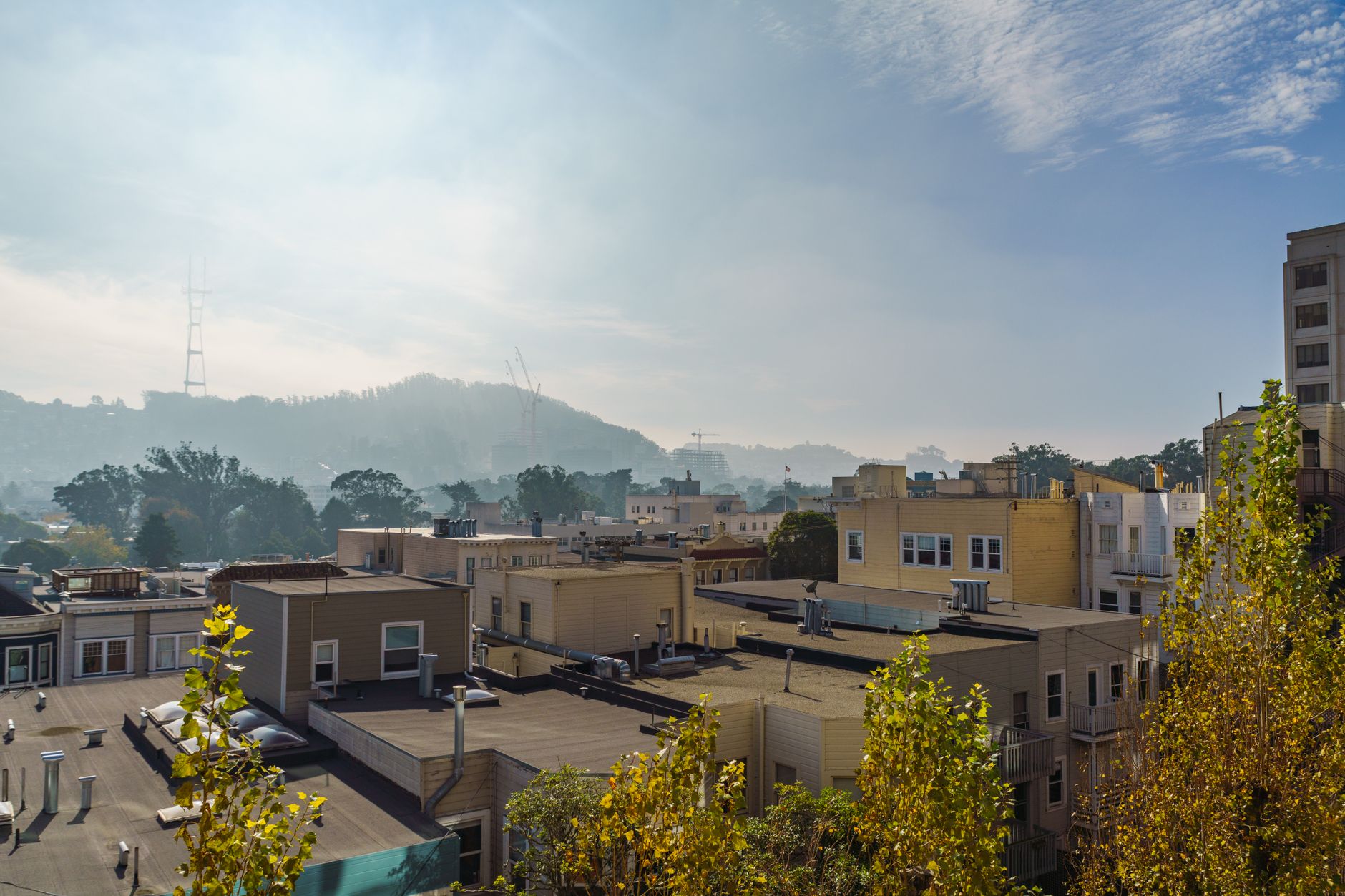
The Edwardian flat at 248 Elizabeth Street in San Francisco just went into contract for $3.1 million after exactly four days on the market. In a neighborhood known for stroller-friendly hills and sunny microclimates, this rapid transaction reveals exactly why Noe Valley has secured the number seven spot on Redfin’s hottest national luxury neighborhoods list. Buyers are bypassing traditional mega-mansions in favor of highly walkable, community-centric urban pockets. This shift in buyer preference represents a fascinating update to the classic California housing market trend, where high-earning professionals value proximity to local bakeries and neighborhood parks over isolated, gated privacy.
The micro-dynamics of San Francisco real estate are defying the doom-loop narratives that dominated the early part of the decade. Wealthy buyers are not fleeing the city; instead, they are consolidating their wealth in highly specific, walkable enclaves. Noe Valley offers a suburban feel within the urban core, featuring tree-lined streets, local coffee shops, and immediate access to the technology shuttles that run down Dolores Street. It is a highly insulated economy. Tech executives, buoyed by the historic 2026 AI funding boom that has seen billions poured into foundation model startups across the Bay Area, are deploying their capital directly into premium local brick and mortar. They want quiet luxury, historical architectural integrity, and the safety of a tight-knit community. This is not a speculative bubble but a flight to quality.
Walkability Trumps Acreage in Coastal Southern California
Further down the coast, an entirely different dynamic is unfolding in Southern California. The coastal community of Long Beach is experiencing an unprecedented surge in buyer interest, with home prices rising 5.8% over the three months ending August 2026 to reach a median price of $899,000. Buyers who find themselves priced out of West Los Angeles are migrating south to find relative value along the waterfront. This coastal migration is not just about affordability, however; it represents a fundamental lifestyle recalibration. People are looking for neighborhoods that offer genuine character and historic charm without the crushing density of central Los Angeles.
This specific California housing market trend in Long Beach is driven by a massive influx of remote-hybrid professionals who only need to commute to physical offices once or twice a week. The neighborhood of Belmont Shore and the historic homes in Rose Park are seeing multiple-offer situations become the baseline norm once again. It is a highly competitive landscape where properties that are priced correctly sell in less than two weeks. Buyers are showing up with substantial down payments, frequently waiving contingencies to stand out in a crowded field of bidders. The local market dynamics demonstrate that while interest rates remain a topic of national conversation, premium coastal inventory in Southern California continues to command a significant premium.
Price Resets and Opportunities in Inland Suburbs
Not every affluent Southern California pocket is seeing upward trajectory, which is where the market gets incredibly interesting for opportunistic buyers. In Yorba Linda, a quiet suburban paradise in Orange County, median home prices actually dipped 4.9% over the three months ending August 2026, settling at a median of $1.4 million. This price correction highlights a growing divide between walkable urban-coastal neighborhoods and car-dependent inland suburbs. For families who have been waiting on the sidelines for a chance to enter this highly regarded school district, this temporary dip presents a rare window of opportunity.
The pullback in Yorba Linda exemplifies a broader California housing market trend where high-end suburban markets are experiencing a healthy reset. As inventory slowly builds, sellers are losing their absolute pricing power, forcing them to negotiate on price and offer seller concessions that would have been unthinkable a year ago. It is a refreshing dose of realism in an otherwise hyper-competitive region. Smart buyers are taking advantage of this breather by using advanced AI tools for daily life, such as Juma’s top-rated 2026 property analysis platforms, to run instant cash-flow projections and analyze neighborhood zoning changes before submitting their offers.
The Central Valley Affordable Housing Migration
For those looking to maximize their purchasing power, the Central Valley is experiencing its own historic moment. The zip code 93309 in Bakersfield has emerged as one of the single most searched real estate destinations in the state, with median prices sitting at a highly accessible $341,000. Just a short drive away, the 93560 zip code is seeing similar high-velocity activity with median home prices at $426,250. This is where the real volume of the state's relocation activity is happening. Middle-class families are executing a tactical retreat from the coastal metros, trading their cramped apartments for spacious suburban homes with pools in the Central Valley.
This inland migration signals a new California housing market trend where affordability and space trump proximity to the ocean. Bakersfield is no longer just an agricultural hub; it has become a vital bedroom community for remote workers and regional logistics managers who refuse to be house-poor. The sheer volume of online searches for these specific zip codes indicates that the desire for homeownership remains incredibly strong, provided the price point aligns with local median incomes. Buyers in these areas are highly sensitive to mortgage rate fluctuations, yet the low absolute price points make these homes far more resilient to economic shocks than their multi-million-dollar coastal counterparts.
Redefining Luxury in the Era of Climate Consciousness
The geography of California real estate is also being rewritten by environmental realities. In the wake of the destructive late 2025 wildfires that swept through the hills surrounding Malibu and the steep terrain of Altadena, a profound psychological shift has taken hold of the luxury buyer. High-net-worth individuals are actively moving away from high-risk wildland-urban interfaces. Instead, they are redirecting their capital toward flat coastal neighborhoods in Santa Monica and the South Bay. This is a pragmatic, survival-driven migration that is fundamentally reshaping local property values.
Safe, flat coastal land is the new ultimate luxury asset in Southern California, leaving high-risk hillside properties to face an uphill battle with insurance and fire safety.
As insurance companies restrict new policies in fire-prone hills, buyers are realizing that a home you cannot easily insure is a liability, not an asset. By focusing on flat, highly walkable coastal districts, they are prioritizing long-term asset protection over dramatic hillside views. These fundamental shifts are redefining this California housing market trend, proving that climate risk is no longer a theoretical future concern but an active driver of weekly real estate transactions. This is not just a migration of wealth; it is a permanent reassessment of geography where safety and stability are priced higher than any panoramic ocean view.
Frequently Asked Questions
What makes Noe Valley in San Francisco stand out in the current luxury market? Noe Valley offers a unique combination of quiet, tree-lined walkability, historic Victorian charm, and immediate access to tech shuttle routes, making it highly attractive to affluent buyers seeking an urban-suburban compromise in San Francisco.
Why are home prices dipping in Yorba Linda while rising in Long Beach? The pricing divergence reflects a buyer shift toward walkable, coastal lifestyles over traditional, car-dependent inland luxury suburbs, leading to a healthy inventory build and pricing corrections in places like Yorba Linda.
How are wildfire risks changing where buyers search for homes in Southern California? Buyers are actively migrating away from high-risk hillside zones in Malibu and Altadena toward flat coastal areas like Santa Monica and the South Bay, driven by rising insurance costs and a desire for secure, long-term asset protection.
Ecomstation.ai