Palo Alto Cash Out: How Venture Capital for AI Reshapes Neighborhoods
Khushboo Siddhiwala
Sep 28, 2026 · 7 min read
Story
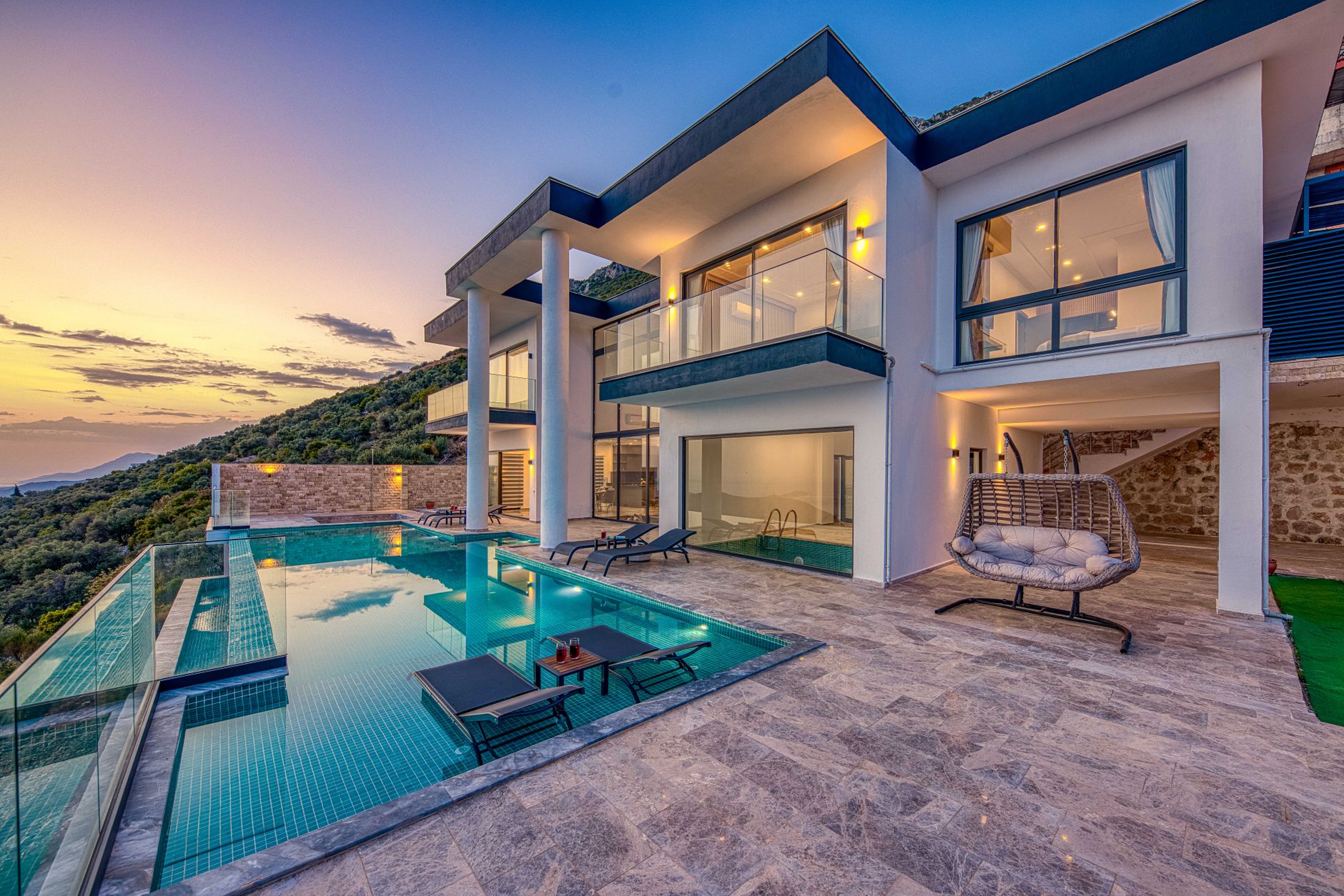
A mid-century modern home at 2305 Byron Street in Palo Alto 94301 recently traded for a quiet cash premium of five million dollars, a transaction that represents the physical manifestation of a record-breaking financial year. As of this Monday morning, September 28, 2026, Northern California startups have pulled in a historic share of the three hundred sixty-six billion dollars in total venture capital for AI and deep tech raised statewide this year. This unprecedented volume of capital is more than three times the total raised across the other forty-nine United States combined, permanently altering local economies. It is a massive concentrated wave of liquidity that is shifting the landscape of both tech and high-end residential real estate. While critics argue that the concentration of capital creates a volatile monoculture, the sheer velocity of wealth generation suggests a structural shift that cannot be easily reversed. The massive injections from giants like OpenAI and Anthropic are only the tip of the iceberg, flowing downward into suburban communities.
The physical presence of this capital is felt deeply in the commercial and residential corridors of Santa Clara County. Software engineers who were working out of shared garages are suddenly walking into local dealerships and real estate offices with millions in liquid capital, entirely bypassing the traditional wealth-building milestones of previous generations. This concentration of cash in Palo Alto and surrounding cities has created an insulated micro-economy that remains virtually immune to broader national housing downturns.
The Defense and Hardware Heavyweights in Southern California
While the Bay Area captures the bulk of the headlines, Southern California has quietly carved out a dominant, highly profitable niche. In the coastal enclave of Costa Mesa 92626, defense tech powerhouse Anduril Industries has secured massive capital reserves to scale its autonomous systems. Along with San Diego based Shield AI, these defense sector firms are proving that the distribution of venture capital for AI is not just about digital chatbots, but physical machinery. This physical turn in technology demands massive footprints of industrial real estate, which is currently driving up commercial lease rates across Orange County. Further north, San Jose 95113 is witnessing a similar physical hardware renaissance. Startup chipmaker Etched closed a three hundred million dollar Series C funding round to manufacture specialized systems that run artificial intelligence models at unprecedented speeds.
This hardware requires a completely different scale of venture capital for AI than the software apps of the previous decade. When these firms raise hundreds of millions, they do not just buy servers; they sign long-term industrial leases and hire hundreds of highly paid hardware engineers who immediately enter the local homebuying market. The result is a highly competitive housing ecosystem in San Jose where entry-level software developers are routinely outbid by defense tech executives armed with cash from recent secondary stock sales. This pattern is repeating in cities like El Segundo and Irvine, where technology companies are taking over former aerospace warehouses, converting them into advanced robotics labs.
Consumer Tech and the Next Wave of Intelligent Devices in Venice
The action is also shifting toward consumer hardware form factors, particularly along the coast. In Venice 90291, the creative energy of Southern California is blending with heavy technical talent. This is where Brett Adcock, the founder of humanoid robotics company Figure AI, recently launched his new venture called Hark. By bringing on former iPhone designer Abidur Chowdhury as head of design, Adcock is positioning the startup to build the next generation of consumer AI hardware. This movement toward tactile, beautifully designed consumer devices is unlocking fresh allocations of venture capital for AI into interface design. Similarly, San Francisco based Merge Labs is pushing the boundaries of interaction with their recent seed funding round backed by Sam Altman, focusing on brain-computer interfaces.
When these specialized startups establish their headquarters in beachside neighborhoods like Venice, they trigger an immediate localized real estate squeeze. Creative directors and senior engineers who migrate from Silicon Valley to Southern California are seeking a specific lifestyle, driving up rent for creative office spaces and historical craftsman homes alike. The demand is so intense that properties in Los Angeles are trading off-market through private agent networks before they ever hit public listing databases. Young founders are bypassing traditional rental markets entirely, opting instead to purchase modern architectural properties along the canals. This rapid asset acquisition is fueling a luxury rental market boom as well, as traveling executives look for high-end temporary housing.
This physical turn in technology demands massive footprints of industrial real estate, which is currently driving up commercial lease rates.
How High-Net-Worth Tech Liquidity Floods Westlake Village Homes
The ripple effect of this capital concentration extends far beyond the immediate technology hubs. In her September 2026 economic and housing market update, local real estate expert Tina Lucarelli highlighted a distinct trend in the quiet, upscale neighborhoods of Westlake Village 91361. Homebuyers who have cashing out of major artificial intelligence startups are seeking spacious, private estates in Agoura Hills and Thousand Oaks. These buyers are looking for safety, larger lot sizes, and top-tier school districts, and they are arriving with substantial down payments funded by early-stage equity liquidations. This phenomenon demonstrates that the economic impact of venture capital for AI is not confined to tech offices.
Instead, it serves as a massive wealth redistribution engine that moves money from global institutional investors directly into local Southern California residential real estate. Even as interest rates fluctuate, the cash-rich nature of these tech buyers shields the upper end of the market from broader macroeconomic corrections. Luxury homes in these communities are experiencing steady appreciation, with localized injections of venture capital for AI driving luxury demand in areas previously considered too remote for tech workers. Buyers from San Francisco are increasingly willing to commute or work entirely remote if it means securing a sprawling estate in the hills of Thousand Oaks.
Why the Concentrated Wealth Loop Will Outlast the Naysayers
Some economists warn that this extreme concentration of venture capital creates an unsustainable bubble. However, this view misinterprets the structural nature of the current technology cycle. The capital being deployed today is not going toward speculative software ideas; it is building foundational infrastructure, sovereign defense systems, and physical hardware. This creates a highly resilient feedback loop. The companies that successfully deploy this capital become major employers, generating a steady stream of high-income households that sustain local retail, services, and real estate. The concentrated wealth loop is self-reinforcing, as early employees of successful startups inevitably leave to launch their own ventures, raising fresh capital and purchasing homes in nearby cities like Pasadena or Santa Barbara.
Ultimately, the intersection of tech funding and real estate is creating a new geography of wealth across the state. From the tech corridors of Silicon Valley to the master-planned communities of Orange County, the flow of capital is reshaping physical spaces just as quickly as it updates software code. The real story of this year's record-breaking funding is not just the astronomical dollar amounts, but the permanent physical footprint these dollars are leaving on local neighborhoods. As more startups secure massive rounds, we will continue to see these funds materialize as luxury homes, renovated creative offices, and expanded industrial parks.
Frequently Asked Questions
How is the recent surge in venture capital affecting home prices in California? The influx of billions of dollars in capital has created a highly competitive luxury home market, particularly in suburban enclaves like Westlake Village and Thousand Oaks. As founders and early employees cash out their equity, they are making large cash down payments on high-end residential real estate, which insulates these local markets from broader interest rate fluctuations.
Which cities are seeing the highest concentration of artificial intelligence startups? Palo Alto, San Francisco, and San Jose continue to dominate the funding landscape in Northern California. In Southern California, cities like Venice, Costa Mesa, and San Diego have emerged as major hubs for defense tech, hardware design, and consumer robotics, attracting significant portions of the state's record venture funding.
Are hardware startups receiving the same level of funding as software companies? Yes, hardware startups are attracting massive rounds because building physical infrastructure like specialized chips and humanoid robotics requires substantial upfront capital. Companies like Etched in San Jose and Hark in Venice are securing large funding rounds to support their physical production and industrial real estate needs.
Ecomstation.ai