Pasadena Guide to the Mortgage Rate Lock California Rules
Khushboo Siddhiwala
Aug 19, 2026 · 5 min read
Story
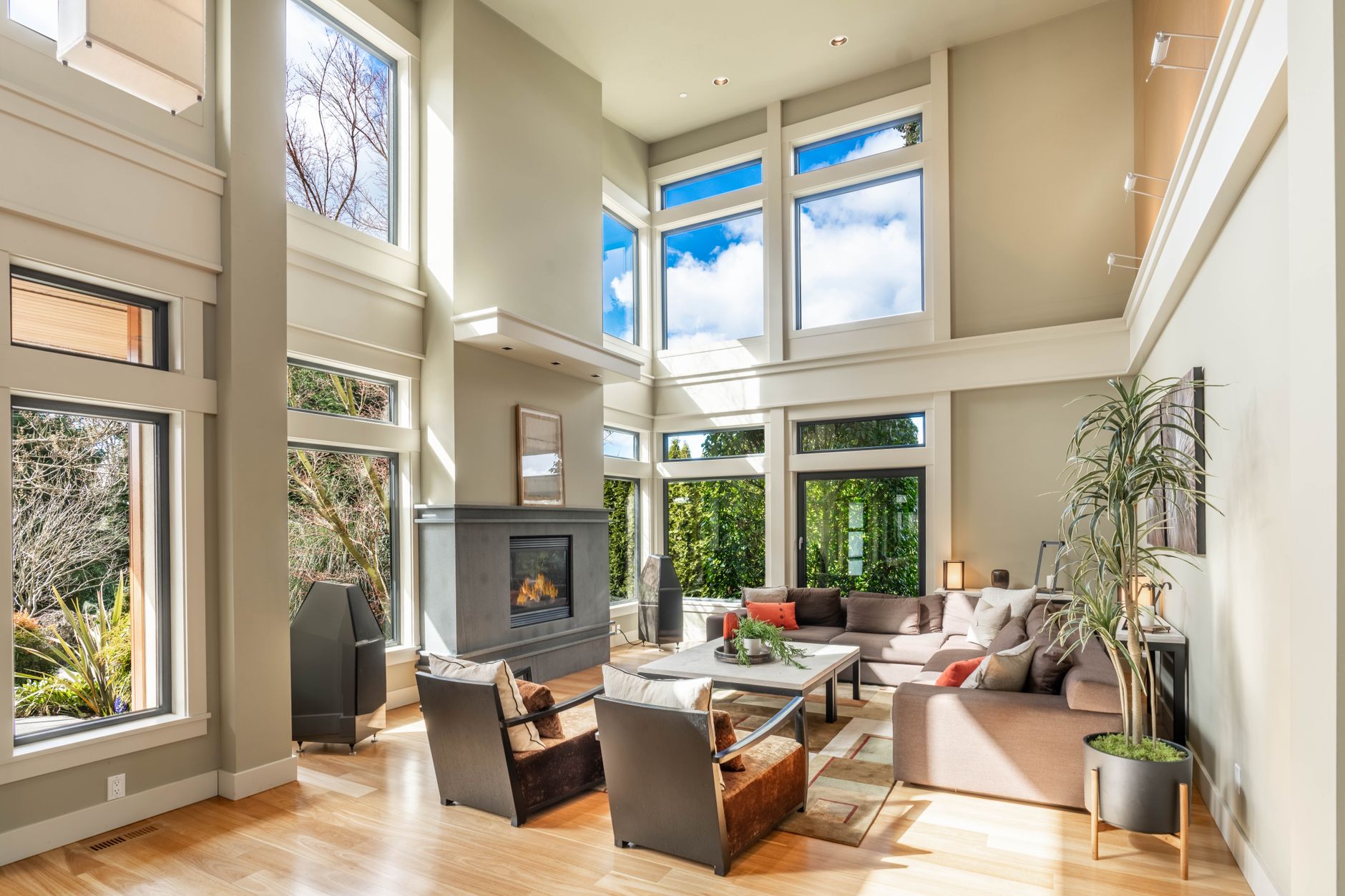
On a warm Wednesday afternoon at 845 South Madison Avenue in Pasadena, California 91106, a classic Spanish Revival home listed at $1,850,000 is attracting serious offers. For buyers negotiating this purchase, securing a stable monthly payment is the immediate priority. When you find the right home, your lender will offer a mortgage rate lock California option to freeze your interest rate while your loan goes through underwriting. This contractual promise ensures that even if Wall Street experiences a sudden panic tomorrow, your agreed-upon interest rate remains unchanged until you sign the final paperwork and get your keys.
What Exactly is a Rate Lock
A rate lock is a formal agreement between you and your mortgage lender. When you apply for a loan, the lender quotes you an interest rate based on your financial profile and current market conditions. However, mortgage rates fluctuate multiple times a day. If you take thirty to forty-five days to close on your home, that rate can easily climb, adding hundreds of dollars to your monthly payment. A rate lock freezes that number for a specified window, typically thirty, forty-five, or sixty days. Think of it as a reservation at a busy restaurant. You are securing your spot at the table before the dinner rush begins. If rates drop while you are locked in, you might feel like you missed out, but the primary goal is protection against rate spikes. Some lenders offer a float-down option, which allows you to snag a lower rate if the market dips significantly during your escrow period, though this feature often comes with an extra fee or a slightly higher initial rate. In high-demand areas like San Jose, where home prices demand jumbo loans, having this certainty is a financial lifesaver.
The Rules of the Road in California
In the golden state, real estate moves at a unique pace. A typical escrow period in San Diego or Sacramento can run anywhere from twenty-one to forty-five days. Because of this timeline, your mortgage rate lock California strategy needs to be highly precise. You cannot simply lock a rate the moment you start looking at open houses on Zillow. Lenders generally require a fully executed purchase contract, meaning the seller has accepted your offer on a specific property, before they will officially lock your rate. Once you have that signed contract on a property in San Diego, the clock starts ticking. If you choose a thirty-day lock but your appraisal is delayed or the seller takes too long to clear a title issue, your lock could expire before you close. If your lock expires, you are suddenly at the mercy of whatever interest rates are doing that day. To prevent this, you must coordinate closely with your loan officer to ensure your lock period comfortably covers your entire escrow timeline. Most local lenders will charge an extension fee if you need to push the lock past its expiration date, which can cost a fraction of a percent of your total loan amount.
A rate lock is not a speculative bet on the bond market; it is an insurance policy for your monthly budget.
Common Pitfalls to Avoid in Escrow
The biggest mistake buyers make is failing to watch the calendar. It is easy to get caught up in choosing paint colors or planning a kitchen remodel for your new place in Silver Lake, but an expired rate lock can cost you thousands of dollars over the life of your loan. Another major error is making major financial changes during the lock period. If you open a new credit card to buy furniture or decide to change jobs before closing, your loan must go back through underwriting. This can invalidate your original mortgage rate lock California agreement because your financial profile has changed. Additionally, some buyers wait too long to lock, hoping that rates will fall just a little bit more. Trying to time the market is a dangerous game that rarely ends well for beginners. If rates are stable and fit your budget, locking immediately is almost always the smartest move. In competitive markets like Orange County or Santa Barbara, where transactions require swift execution, delays caused by chasing a fractional drop in rates can stall your entire closing process and irritate the seller.
How to Secure Your Best Rate
To navigate this process successfully, start by asking your lender for a written copy of their rate lock policy. Never rely on a verbal promise over the phone. You want to see the exact expiration date, the interest rate, any associated fees, and the terms of any float-down option in writing. If you are buying a home in a busy metro area like San Francisco, ask your loan officer if they anticipate any appraisal bottlenecks that could stretch your escrow past thirty days. If so, paying a slightly higher fee for a forty-five-day lock upfront is much safer than risking an expired lock later. Keep your financial documents organized and respond to your lender's requests for information within hours, not days. The faster your loan file moves through underwriting, the less likely you are to bump up against your rate lock deadline. Ultimately, securing a mortgage rate lock California agreement is not about trying to outsmart the global financial markets. It is about buying the luxury of time. In a fast-moving market, the real value of a rate lock is the freedom to focus entirely on building your new life without holding your breath every time the daily economic news cycle updates.
Frequently Asked Questions
What happens if my rate lock expires before I close my loan? If your lock expires before closing, your interest rate will usually revert to the current market rate, or your lender may offer to extend the lock for an additional fee.
Can I get a lower rate if interest rates drop after I lock? Only if your loan agreement includes a float-down option, which typically allows a one-time rate reduction if market rates fall by a certain margin during your escrow period.
Does a mortgage rate lock cost money? Many lenders offer thirty-day locks for free as part of their standard origination packages, while longer locks or float-down options may require an upfront fee or a slightly higher interest rate.
Ecomstation.ai