Pasadena Investors Pivot to California Commercial Real Estate Secrets
Khushboo Siddhiwala
Aug 21, 2026 · 7 min read
Story
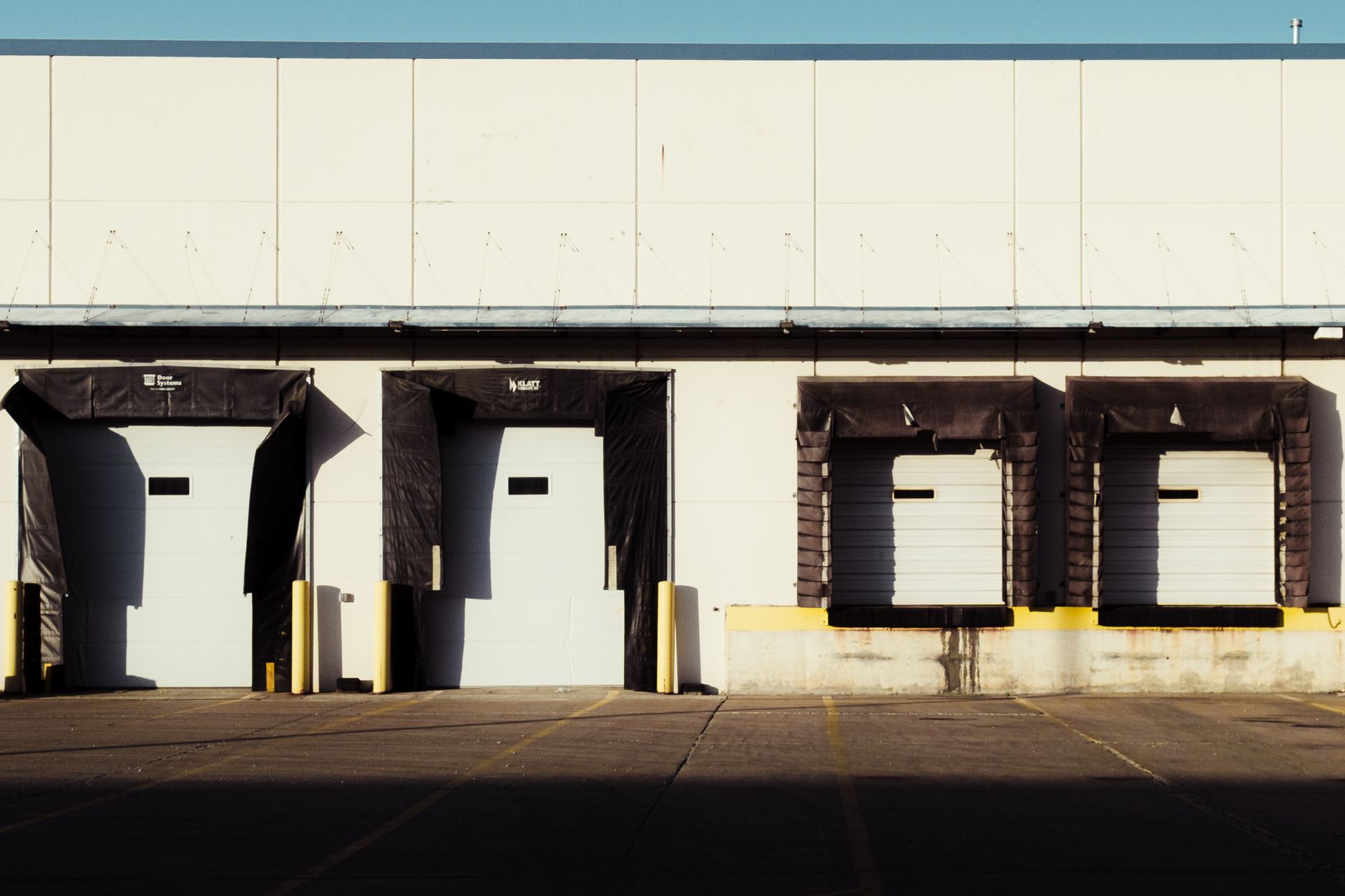
Outside the pristine brick facade of a 42,000-square-foot industrial facility at 1100 North Fair Oaks Avenue in Pasadena, a quiet transaction valued at $14.2 million closed at 9:15 AM on Thursday, August 20, 2026. While suburban homebuyers obsess over fluctuating mortgage rates and weekend open houses, the smartest institutional money in Los Angeles is executing a completely different playbook. They are hunting for yields hidden deep within the shifts of California commercial real estate, where industrial logistics and multifamily conversions are outperforming traditional residential assets. Residential buyers frequently ignore these macro commercial patterns, yet these massive commercial deals dictate exactly where local economies will expand, where high-paying jobs will land, and ultimately, which residential neighborhoods will see home values surge next.
The K-Shaped Divergence in Southern California
The residential market is flashing signs of exhaustion that commercial observers saw coming a year ago. According to Southern California housing market data compiled on August 14, 2026, the region currently sits at 39,470 active listings with an expected market time of 116 days. Demand is hovering flat at 10,216 pending sales. This residential plateau represents the bottom half of the K-shaped housing market currently dividing Southern California, where standard home buyers are priced out or waiting on the sidelines. Meanwhile, the upper arm of that K-shape is driven by commercial investments in Irvine and Los Angeles, where capital is flooding into logistics hubs and multiunit residential acquisitions. Sophisticated buyers realize that analyzing California commercial real estate is the premier way to anticipate residential demand. When a major firm commits $50 million to a new logistics center or an office-to-residential conversion project, they are placing a long-term bet on that city's tax base and employment pipeline. The California Association of Realtors recently noted in its 2026 California Housing Market Forecast that regional economic hubs with strong commercial foundations are the only areas maintaining consistent home price appreciation. Buyers who only look at residential comparable sales are essentially driving a car by looking solely in the rearview mirror. By tracking commercial land permits and industrial acquisitions in neighboring employment centers, investors gain a six-month head start on identifying which suburban corridors will experience the next wave of wealthy buyers.
Industrial Powerhouses and the Logistics Premium
To truly understand where the wealth is moving, one must look at the industrial and logistics sector. As commercial real estate expert De Felice observed in the Los Angeles Times commercial trends analysis, the industrial and multifamily sectors are currently neck-and-neck as the absolute strongest performers in the state. In cities like Temecula and Murrieta, industrial vacancy rates remain below 4.2 percent, driving lease rates up by 8.5 percent year-over-year. This commercial pressure cooker directly impacts local housing. When industrial distribution centers and high-tech manufacturing plants expand in Menifee, they bring thousands of middle-management and executive-level jobs to the region. This influx of employment is the silent engine behind the steady home prices in Southwest Riverside County, even as other suburban markets soften under high interest rates. Furthermore, the modern logistics industry is undergoing a massive transformation powered by artificial intelligence and automated supply chains. As technology companies deploy advanced automation systems in 2026, they require specialized, high-capacity warehouses with robust electrical grids. This technological transition makes California commercial real estate in adjacent tech hubs like San Jose and Fremont incredibly valuable. These industrial campuses are not merely warehouses; they are the physical infrastructure of the digital economy. Residential buyers who purchase properties near these expanding commercial zones benefit from a localized economic cushion that protects their home equity from broader macroeconomic downturns.
The physical footprint of the digital economy is being built in industrial parks, and the residential neighborhoods surrounding these hubs are inheriting unprecedented economic resilience.
How Commercial Debt Reframing Dictates Residential Access
While the residential mortgage market operates on thirty-year fixed terms, California commercial real estate relies on shorter-term debt that must be refinanced every five to ten years. In San Francisco and Oakland, billions of dollars in commercial office debt are scheduled for refinancing before the end of December 2026. This looming wall of maturities is forcing regional banks to tighten their underwriting standards across all departments. When a local bank faces potential losses on a downtown Oakland office tower valued at 45 percent less than its 2019 peak, that bank instantly reduces its exposure to high-leverage residential construction loans and jumbo mortgages. Consequently, the individual homebuyer in Sacramento or Walnut Creek feels the squeeze of stricter credit requirements without ever realizing the root cause lies in a commercial default miles away. Conversely, the office market in Southern California is demonstrating a clear flight to quality, according to recent commercial research updates. Forward-thinking companies are leasing premier, flexible office environments in pedestrian-friendly pockets of Santa Monica and El Segundo rather than traditional high-rises. This shift toward high-quality, boutique office spaces creates micro-neighborhoods where retail sales, dining options, and luxury residential demand thrive in tandem. Understanding these commercial debt dynamics allows real estate investors to predict credit availability. If regional banks in Southern California successfully restructure their office portfolios, residential credit will loosen, paving the way for a surge in buyer demand in adjacent suburbs by early 2027.
The Multifamily Shift and the Death of the Single-Family Monopoly
The traditional dream of the single-family suburban home is evolving as multifamily developments dominate California commercial real estate investment strategies. In San Diego, multifamily building permits increased by 14 percent in the first half of 2026, while single-family permits declined. Investors are realizing that dense, transit-oriented multifamily assets offer more stable cash flows and higher risk-adjusted returns in a high-interest-rate environment. This trend is further accelerated by developers deploying advanced AI productivity systems, such as the Reclaim scheduling engine, to streamline construction timelines and manage complex zoning approvals across municipal borders. By automating busywork and coordination, development firms are cutting project delivery times by up to 18 percent. This efficiency allows commercial capital to pivot rapidly to meet local housing shortages. Even in vacation and retirement havens like Palm Springs, multifamily and boutique hospitality projects are drawing institutional funds away from luxury single-family speculative builds. For residential buyers, this means the supply of entry-level single-family homes will remain incredibly tight for the foreseeable future. The smart money is no longer trying to build sprawling subdivisions; they are building highly amenitized apartment communities and mixed-use spaces that capture the preferences of younger professionals. Understanding this structural shift is crucial. If you are waiting for a massive wave of new single-family homes to depress prices in coastal California, the commercial data suggests you will be waiting indefinitely. The future of California housing is dense, commercialized, and highly efficient.
Frequently Asked Questions
How does California commercial real estate activity affect local residential home values?
Commercial real estate activity serves as a leading economic indicator for residential markets. When major corporations acquire industrial or office assets in a city like Irvine, they commit capital that guarantees job creation and local tax revenue. This commercial investment draws skilled workers to the area, directly increasing demand for local housing and driving up home values months before the residential market registers the shift.
Why are industrial properties performing so well compared to retail in Southern California?
Industrial properties, especially in logistics corridors near Los Angeles, are driven by the structural demand for immediate product delivery and automated supply chain infrastructure. While retail assets face changing consumer habits, industrial space is essential for inventory storage and processing. This sustained demand keeps vacancy rates exceptionally low, making industrial assets a highly stable yield generator for institutional investors.
Should homebuyers wait for commercial office foreclosures to drop residential prices?
No, waiting for commercial office distress to lower residential prices is an ineffective strategy. While office defaults in San Francisco impact regional banks, they do not trigger residential foreclosure waves because residential lending remains highly regulated with strict debt-to-income requirements. Instead of lowering home prices, commercial distress simply tightens mortgage credit, making it harder for residential buyers to secure financing.
Ecomstation.ai