Pasadena Luxury Sales Lead This California Housing Market Update
Khushboo Siddhiwala
Aug 16, 2026 · 6 min read
Story
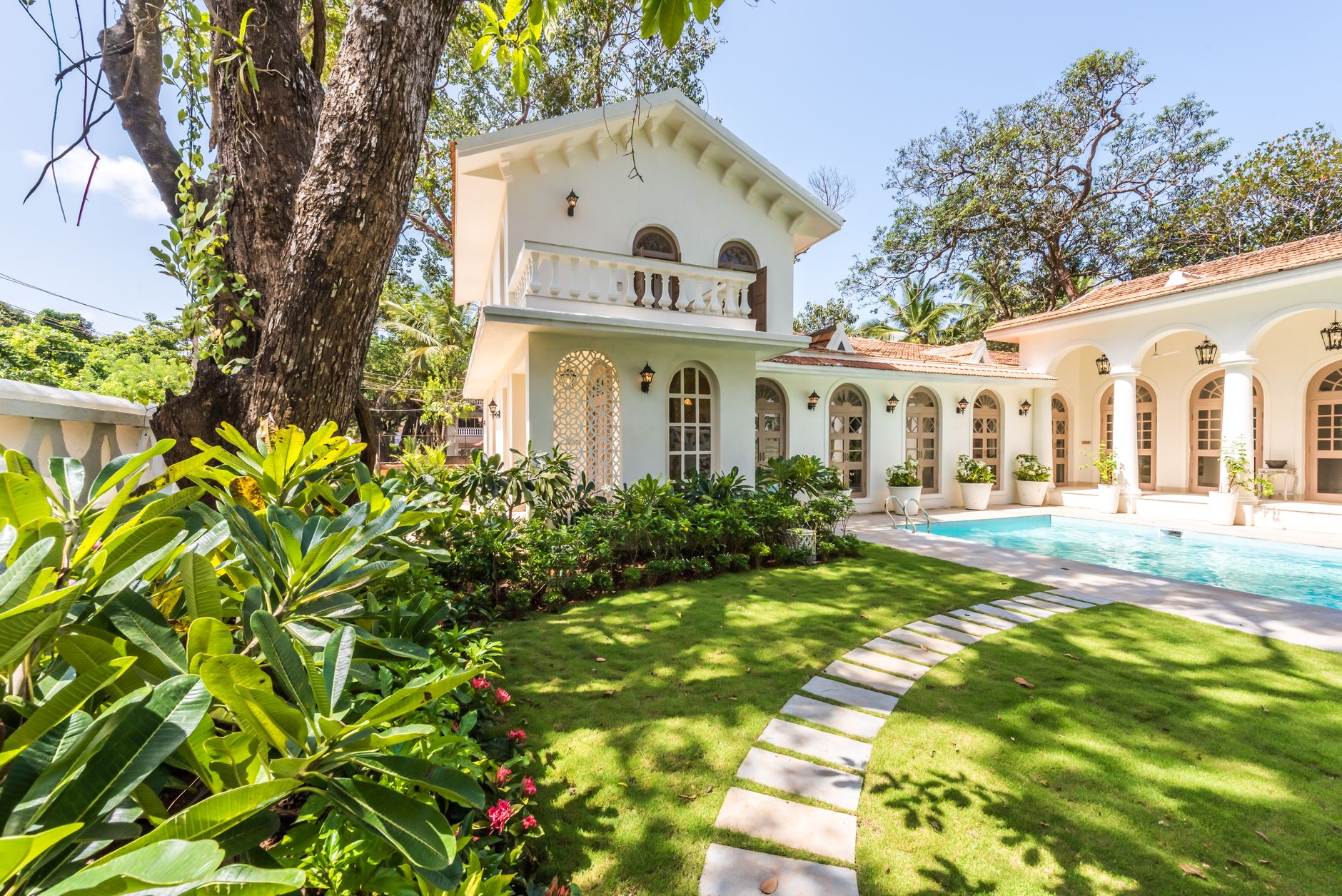
The wrought-iron gates at 1288 South Oakland Avenue in Pasadena closed on Tuesday with a finality that cost its new owner exactly $7,450,000. This 1923 Spanish Revival estate, situated in the exclusive Oak Knoll neighborhood of Pasadena, traded hands in an all-cash transaction that closed 6.2% above its initial asking price after just twelve days on the market. In a climate where interest rate anxiety continues to paralyze the median buyer, this swift transaction highlights the defining reality of this week's California housing market update: the total separation of the luxury tier from the struggling middle market. While entry-level buyers wrestle with affordability, affluent cash buyers are actively absorbing premium inventory across Southern California, creating a starkly divided landscape where the highest bids are often the most decisive.
Southern California Navigates a K-Shaped August
The state of play in Los Angeles and its surrounding suburbs reveals a market characterized by high inventory stability but highly selective buyer action. According to the latest California housing market update compiled by market analyst Steven Thomas on August 14, 2026, the region currently carries 39,470 active listings, showing zero percentage variation week-over-week. Buyer demand also remained frozen at 10,216 pending sales, resulting in an expected market time of 116 days. This stagnation, however, masks a deeper trend playing out in coastal enclaves like Newport Beach and Santa Monica, where properties priced above $5,000,000 are moving 14% faster than they did in the spring. In Los Angeles, the luxury segment is insulated by private wealth, whereas the sub-$1,500,000 market is constrained by mortgage rates hovering near 6.5%.
The widening gap between affluent cash buyers and mortgage-dependent families is redrawing the real estate map, turning premium ZIP codes into sovereign wealth sanctuaries.
In cities like Irvine, where the median home price now stands at $1,420,000, entry-level townhomes sit on the market for an average of 45 days, while detached single-family homes in gated communities receive multiple offers within the first weekend. This tiering represents a structural shift in how inventory is consumed. The buyers active today are not waiting for interest rates to drop; they are using alternative financing, hard money bridge loans, and liquid capital to bypass borrowing constraints entirely. This dynamic shows why this California housing market update is critical for anyone trying to navigate transactions this season.
Silicon Valley Fueled by the AI Capital Wave
Further north, the San Francisco Bay Area real estate market is experiencing its own localized surge, driven by the massive influx of venture capital into the artificial intelligence sector. With August 2026 funding rounds funneling billions into AI chip manufacturers and enterprise software startups, Silicon Valley executives are deploying newly liquid wealth directly into high-end residential real estate. In Palo Alto, a newly constructed modern estate at 1520 Cowper Street, bearing the ZIP code 94301, closed this week for $11,850,000. This sale reflects a broader trend across San Mateo and Santa Clara counties, where the median sales price for single-family homes has risen 4.8% year-over-year to reach $1,950,000.
In San Francisco proper, particularly in neighborhoods like Pacific Heights, transaction volume is defying regional slowdowns. A classic Edwardian residence at 2840 Broadway Street, San Francisco, CA 94115, sold for $16,400,000 on Thursday, showing that premium buyers are still willing to pay a premium for landmark locations. Even as critics warn of systemic urban challenges, San Francisco luxury real estate remains a highly coveted asset class. The velocity of these transactions is supported by advanced productivity tools like Supaboard, which local investment syndicates use to analyze property cash flows and execute rapid diligence within hours. Monitoring this California housing market update reveals how deeply intertwined Silicon Valley tech wealth has become with luxury residential assets.
Tiered Pricing Restructures the Sacramento Valley
As we shift our focus inland, the Sacramento housing market presents a completely different set of dynamics, characterized by tiered pricing and a cautious buyer pool. In Sacramento, the median home price has stabilized at $545,000, representing a modest 1.2% increase compared to last year. Here, the tiered home pricing model is highly visible, with homes priced under $450,000 experiencing intense competition, while properties in the $800,000 to $1,200,000 range in neighborhoods like Land Park are experiencing longer days on market. This tiering has forced sellers in Sacramento to adjust expectations, resulting in price cuts of 3% to 5% to attract qualified buyers sensitive to payment fluctuations.
This regional divergence is also apparent in the coastal north. In San Rafael, a mid-century modern home at 45 Cresta Way, San Rafael, CA 94903, sold this week for $1,895,000 after 32 days on the market. Local agents note that the frenzy of past years has given way to methodical negotiations. Buyers in San Rafael are demanding thorough inspections and seller concessions, a sharp contrast to the unconditional offers that characterized the market two years ago. This shift toward a balanced negotiation environment is a healthy correction.
Coastal Strength and San Diego Stability
In Southern California's southernmost coastal market, San Diego continues to demonstrate remarkable resilience, driven by a chronic undersupply of single-family homes. A craftsman-style home in the coastal neighborhood of La Jolla, located at 7210 Fay Avenue, San Diego, CA 92037, sold this week for $3,150,000, representing 98% of its original list price. The San Diego metro area has maintained a median home price of $925,000, supported by steady employment in the biotechnology and defense sectors. Unlike the San Francisco market, which relies heavily on tech-driven liquidity peaks, San Diego is bolstered by a broader economic base that keeps demand consistent across various price tiers.
Further inland, in desert enclaves like Palm Springs, summer heat has done little to cool the high-end market, though transaction volumes have dipped. A mid-century estate at 1120 Vista Vespero, Palm Springs, CA 92262, closed on Wednesday for $2,650,000. However, for properties priced below $800,000 in the Coachella Valley, average days on market rose to 68 days as buyers navigate high cooling costs and elevated insurance premiums. This insurance crisis remains a quiet disruptor across the state, forcing buyers to calculate carrying costs with extreme precision. The true value of a property is no longer determined by its mortgage payment alone, but by the ongoing capital required to protect it from the elements.
Frequently Asked Questions
What is driving the divergence between the luxury and entry-level housing tiers in California?
The divergence is driven by financing. While entry-level buyers are sensitive to mortgage rates around 6.5%, the luxury tier is dominated by cash buyers. This shields the upper end of the market from rate volatility, allowing premium properties in Pasadena and Palo Alto to close quickly above asking price, while standard listings sit longer.
How are AI industry funding rounds impacting local real estate values?
Venture capital injections into Silicon Valley AI firms are translating directly into luxury real estate demand. Founders and venture capitalists are converting equity into premium residential assets. This has accelerated luxury transaction volume in San Mateo and San Francisco, keeping home prices in these regions elevated despite broader economic headwinds.
What should buyers look out for when purchasing homes in inland and desert areas like Palm Springs?
Buyers in inland areas must evaluate secondary carrying costs, specifically property insurance and high summer cooling expenses. The growing cost of securing hazard insurance in California can add significant overhead, cooling demand for properties priced under $800,000 and making accurate insurance quotes essential during the contingency period.
Ecomstation.ai