Pasadena Micro-Markets Pivot The California Housing Market 2026
Khushboo Siddhiwala
Sep 21, 2026 · 6 min read
Story
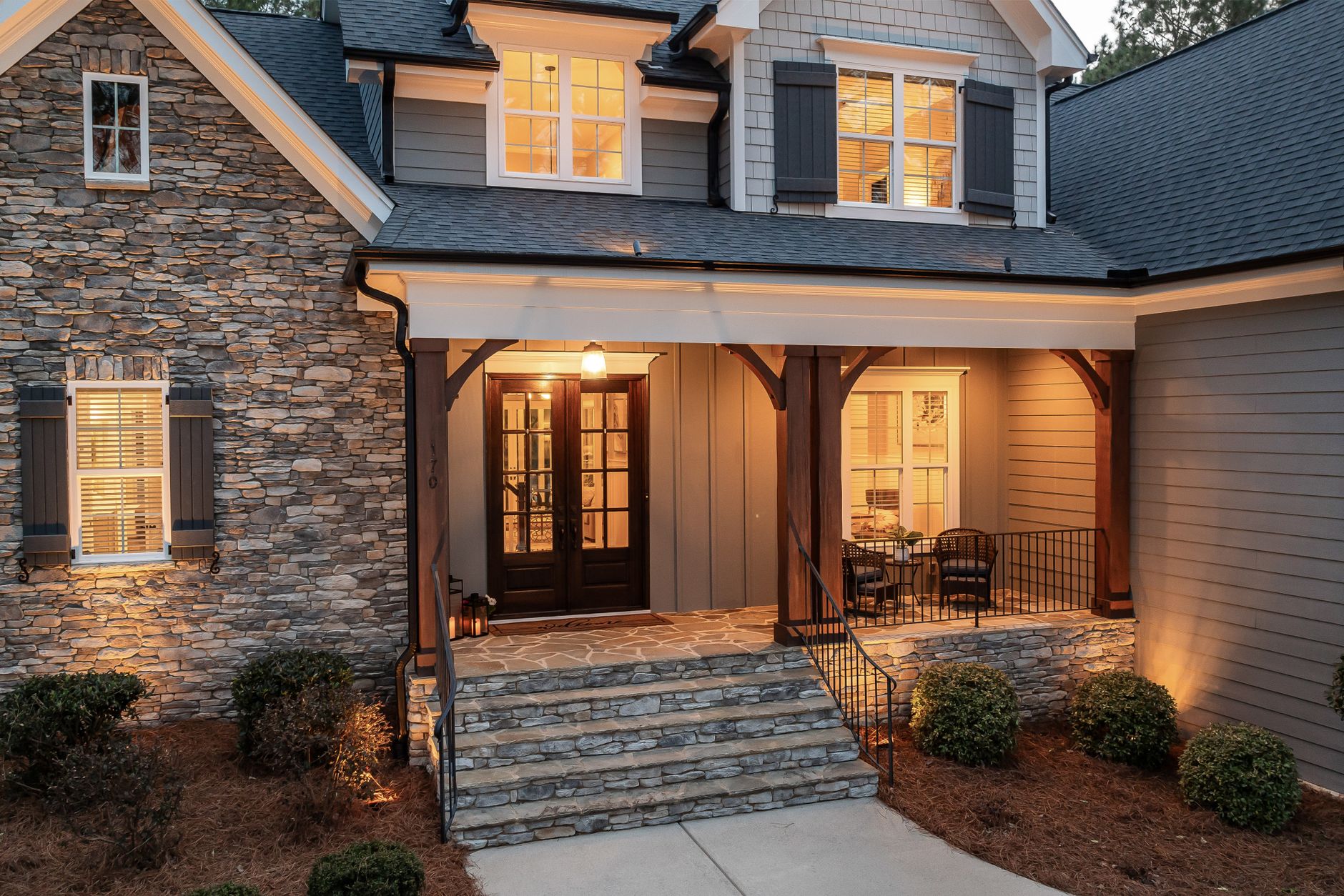
On a warm Sunday afternoon at 1043 North Hill Avenue in Pasadena, a restored 1923 Craftsman listed at $1,080,000 draws thirty-two registered buyers, a sharp contrast to the sluggish open houses of last winter. This home, which previously traded for $931,000 in late 2023, is chasing a 16 percent appreciation premium in under three years. This aggressive pricing strategy highlights the friction point inside the California housing market 2026 landscape, where buyers armed with fresh mortgage quotes in the low 6 percent range are clashing with stubborn inventory limitations. As autumn arrives, the narrative of a total real estate implosion is falling apart under the weight of hyper-local demand. The statewide market is not a monolith; instead, it has fractured into highly competitive pockets where bidding wars have returned. Buyers are no longer waiting for the mythical 4 percent interest rate. They are adapting to the current fiscal environment, realizing that waiting only invites higher competition. The recent Southern California housing market update for September 2026 shows that while overall regional sales volume has dipped by 4.2 percent year-over-year, prices in select historic ZIP codes continue to march upward.
The Micro-Neighborhood Premium Playbook
The driving force behind this localized resilience is a profound shift in consumer psychology and inventory allocation. In Pasadena, particularly within the 91104 and 91105 ZIP codes, single-family home inventory remains 18 percent below the five-year historical average. Sellers who locked in 3 percent mortgages during the pandemic are still refusing to move, creating an artificial floor for prices. This has compressed supply to just 1.8 months of inventory, forcing active buyers to compete fiercely for turnkey properties. Meanwhile, the broader macroeconomic picture is shifting. The federal rate cuts that began in late 2025 have finally filtered down to consumer mortgage products, with thirty-year fixed rates hovering between 6.1 percent and 5.9 percent this week. This marginal relief has unlocked pent-up demand from affluent buyers who had been sitting on cash reserves for more than two years. Understanding the micro-dynamics of the California housing market 2026 requires looking closely at these isolated neighborhoods where supply remains fundamentally broken. In parts of West Los Angeles, properties listed under $1.5 million are pending in under nine days, proving that capital remains eager to transact when quality inventory finally hits the MLS.
Silicon Valley Wealth Shifting South to Irvine
Further south in Orange County, the city of Irvine is experiencing an even more intense inventory squeeze. In neighborhoods like Portola Springs and Shady Canyon, the median sales price has escalated to $1,450,000, representing a 9.4 percent increase over the same period last year. This surge is fueled by a massive influx of tech sector wealth, particularly from executives and engineers who are capitalizing on the local AI boom. Rather than settling in Northern California, many of these high-earning professionals are choosing Orange County for its superior suburban master-planned infrastructure and top-tier public school systems. Startups focusing on edge AI and machine learning have anchored their secondary headquarters in nearby corporate parks, bringing high-paying salaries that easily support million-dollar mortgages.
The modern luxury buyer is no longer chasing square footage alone; they are buying into hyper-secure, technologically integrated micro-pockets that insulate them from broader economic volatility.
This migration pattern is reshaping the coastal real estate dynamic and shows how the California housing market 2026 is separating into isolated wealth centers. In the nearby seaside city of Newport Beach, luxury custom homes are trading at an average of $1,800 per square foot, a 12 percent jump from early 2025.
Central Valley Infrastructure and Capital Migration
As coastal prices push middle-class buyers out of coastal hubs, the capital migration is reshaping inland valleys. In Sacramento, the capital city of California, a different kind of transition is taking place. In ZIP codes like 95819 and 95816, historic homes that would easily command $2.5 million in the Bay Area are selling for $850,000. This pricing delta has turned the region into a magnet for remote workers who are still allowed to work from home under hybrid arrangements. Local data reveals that 22 percent of all home purchases in the Sacramento metropolitan area over the last ninety days were made by buyers relocating from San Francisco and San Jose. This influx has driven the median home price in the region up by 6.7 percent in 2026, making it one of the most resilient secondary markets in the western United States. It is not just residential buyers driving this trend; institutional capital is also flowing into the Central Valley, targeting land for light industrial use and data centers. The massive physical infrastructure required to power artificial intelligence has turned quiet agricultural boundaries into highly valuable real estate. Land parcels near power lines are trading at premiums of up to 40 percent.
AI Wealth and the Coastal Border Redefinition
Further down the coast in San Diego, the story repeats with a coastal twist. In neighborhoods like La Jolla and North Park, the median home price has crossed the $1,150,000 mark. The local market is being accelerated by the expansion of defense-tech and biotech firms, which have secured more than $450 million in venture funding in the first three quarters of 2026 alone. This localized economic engine ensures that even if national real estate trends cool, the local market remains highly competitive. In Northern California, particularly in Oakland and the East Bay, the market is undergoing a structural correction that stands in stark contrast to Southern California. Here, inventory has actually increased by 14 percent as some tech workers relocate to lower-tax states or closer to Southern California tech hubs. This has forced sellers to adjust their expectations, with price reductions occurring on 32 percent of active listings. Rather than signaling an impending collapse, this localized correction is a healthy realignment of value. The California housing market 2026 is ultimately defined by this extreme fragmentation. Success in this environment requires abandoning statewide assumptions and focusing on the block-by-block metrics that drive long-term value.
Frequently Asked Questions
What is driving the price stability in the Pasadena market right now? Price stability in Pasadena is driven by a deep supply constraint, with inventory currently sitting 18 percent below the five-year historical average, combined with buyers entering the market as mortgage rates soften to the low 6 percent range.
How are interest rates affecting the California housing market 2026 forecasts? The gradual decline of thirty-year fixed mortgage rates toward the high 5 percent range has unlocked pent-up demand, causing buyers to re-enter micro-markets and bid up scarce single-family homes.
Why are cities like Irvine and Sacramento experiencing different growth patterns? Irvine is propelled by luxury buyer migration and localized tech wealth, while Sacramento serves as an affordable haven for remote workers seeking historically lower home prices under $900,000.
Ecomstation.ai