Pasadena Price Cuts Reveal Shift in California Housing Market Trends 2026
Khushboo Siddhiwala
Aug 10, 2026 · 7 min read
Story
On the shaded bend of South Grand Avenue in Pasadena, a restored mid-century estate recently slipped its price from $2,495,000 down to $2,345,000. This 6% slash is not an isolated correction; it is a clinical demonstration of how California housing market trends 2026 are playing out on the ground this August. For two years, sellers dictated terms with absolute impunity, but the landscape of late summer 2026 has introduced an icy dose of reality. Buyers are no longer rushing to sign contracts on the first weekend. Instead, they are retreating to their spreadsheets, armed with real-time valuation tools, forcing sellers to recalibrate their expectations or watch their listings languish. Pasadena, long insulated by its historic prestige and deep-pocketed buyer pool, is proving that even the most coveted ZIP codes are susceptible to the broader economic cooling sweeping the Golden State.
This shift is redefining premium transactions across Southern California. The weekly data ending August 9, 2026, reveals a market characterized by rising inventory and a palpable hesitation among buyers who refuse to chase outdated peaks. The initial frenzy that characterized the post-pandemic years has been replaced by a quiet, methodical stand-off. Sellers who still expect multiple cash offers within seventy-two hours are finding themselves stranded on the MLS, eventually yielding to price cuts that would have been unthinkable twelve months ago.
Sacramento Data Signals the End of FOMO
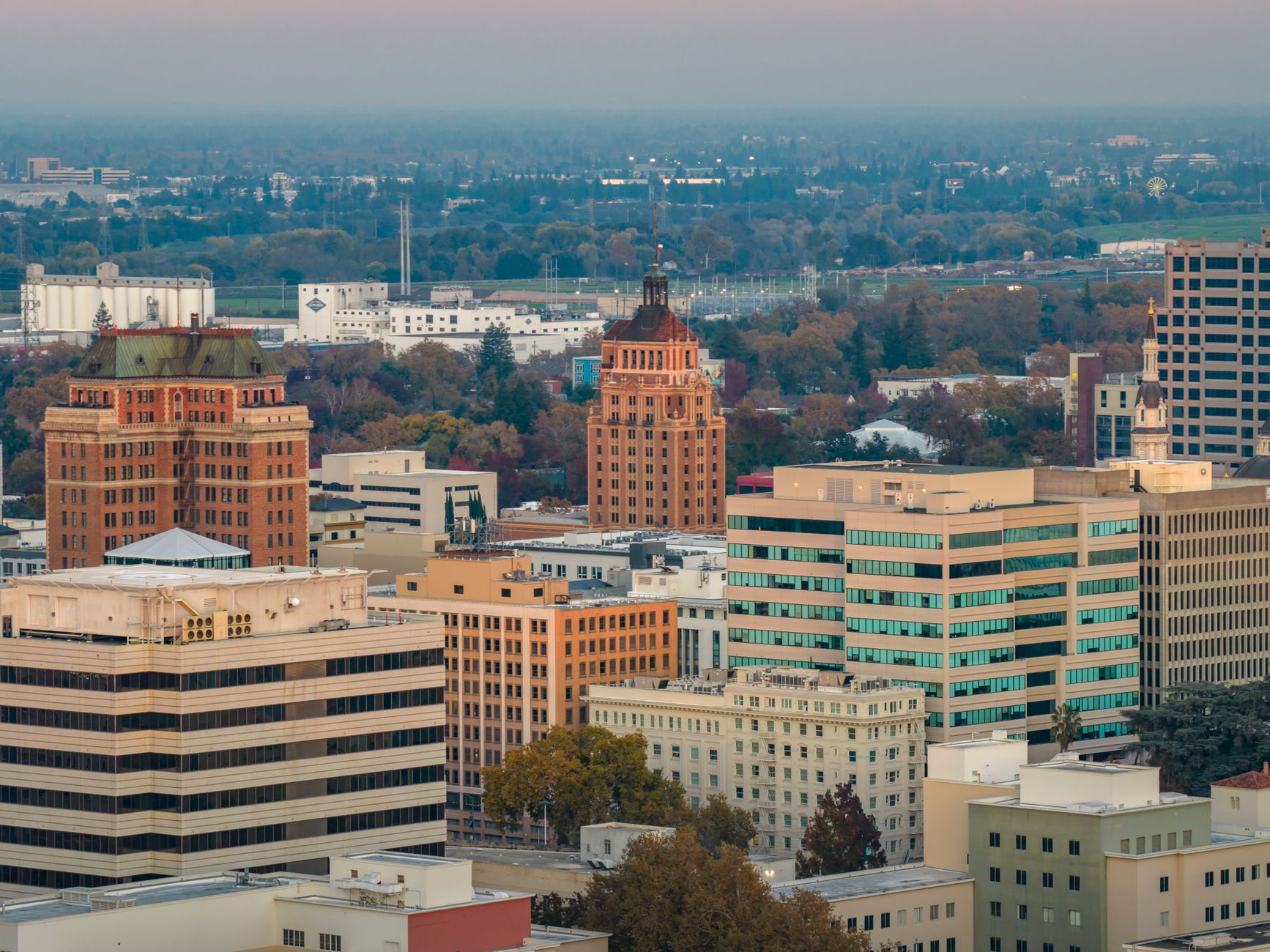
Further north, the capital region provides a structural look at this emerging reality. In Sacramento, the median days on market reached a telling 40.0 days in recent months, a substantial climb from the brisk pace of previous seasons. Historically, this metric has served as the ultimate barometer of buyer urgency, and the climb to 40 days signals that the fear of missing out has officially expired. Buyers in Sacramento County are taking advantage of a 14% increase in active listings compared to the same period last year, allowing them to negotiate repairs, demand rate buydowns, and walk away from properties that fail to meet strict inspection standards.
This cooling trend is corroborated by statewide reports indicating that California has entered its quietest transactional phase of the decade. The mismatch between what sellers believe their properties are worth and what buyers are willing to pay has created a temporary gridlock. According to California housing market trends 2026, the volume of closed escrow accounts has dipped by 8.5% year-over-year, even as nominal prices remain stubbornly high. This creates a deceptive picture of stability; while median sales prices appear steady on paper, the underlying transaction volume tells a story of significant friction. The power has not entirely shifted to buyers, but sellers have lost the authority to demand unconditional terms.
The AI Infrastructure Land Grab in Los Angeles
While residential transactions experience a measured deceleration, commercial and industrial sectors are experiencing an unprecedented disruption fueled by the global artificial intelligence boom. This week, venture capital inflows into AI startups surged, with billions of dollars allocated to companies building physical computing infrastructure. In Los Angeles, this tech-driven capital is reshaping industrial land values. In tech-centric submarkets like El Segundo, old aerospace warehouses are being aggressively acquired and rezoned for data center development. These facilities are the physical backbone of the digital economy, requiring massive electrical grids and fiber-optic access.
This industrial land grab is exerting an indirect but powerful influence on adjacent residential markets. As tech firms expand their physical footprints in El Segundo and surrounding Los Angeles neighborhoods, the demand for executive housing is shifting. However, even these high-earning tech buyers are approaching purchases with an analytical lens. Many of these professionals are using advanced AI productivity tools like Notion AI to synthesize complex MLS reports and historical tax records before making an offer. They are looking at the yield, the cost per square foot, and localized price cuts with mathematical precision, further insulating them from emotional overbidding.
The modern California buyer is no longer reacting to scarcity with panic; instead, they are using advanced market intelligence to wait out sellers who remain anchored to obsolete peak valuations.
San Diego and the Analytical Buyer Era
The shift toward a highly analytical buyer profile is equally evident down the coast in San Diego. Here, the median home price has hovered near $910,000, but transaction velocities have slowed significantly. Buyers are no longer accepting homes in need of cosmetic or structural renovation without demanding corresponding price concessions. In neighborhoods like North Park and La Jolla, properties that are improperly presented face immediate list price compression, often sitting on the market for over 45 days before receiving a single serious offer.
This trend highlights a crucial aspect of the California housing market trends 2026: presentation is now paramount. In an era of elevated mortgage rates, buyers refuse to allocate additional capital to post-sale renovations. They demand turnkey finishes or substantial discounts. Sellers who refuse to invest in staging or address deferred maintenance are paying a steep price in extended days on market. This is not a housing market crash, but rather a sophisticated rationalization of value where cosmetic defects are heavily penalized.
Orange County Shifts Under High Rates
This rationalization is also carving its way through high-demand coastal enclaves. In Orange County, specifically in ZIP codes like 92660 in Newport Beach, single-family homes listed between $3,500,000 and $5,000,000 are showing a significant divergence. Staged properties with clean inspections are trading at or near list price, while homes with outdated fixtures are sitting for over 35 days and enduring average price cuts of 5.4%. The absolute number of price reductions across Orange County has increased by 11% this summer, demonstrating that buyers are unwilling to subsidize the high cost of borrowing by overpaying for the underlying asset.
This selective purchasing environment means that real estate agents can no longer rely on scarcity alone to move inventory. Every single property must be meticulously prepared and strategically priced. Buyers have regained the psychological advantage, even if overall housing supply remains historically low. This balance of power is reshaping negotiations, with sellers conceding to repair demands and closing cost credits that were completely off the table during the peak of the post-pandemic cycle.
San Francisco and the Valuation Reset
In Northern California, the adjustment is even more pronounced. In San Francisco, particularly within high-density districts like SOMA, luxury condominiums are undergoing a sharp valuation reset. Properties that once commanded premiums are now trading at 12% below their original listing targets. Buyers in San Francisco are highly sensitive to corporate layoffs in the tech sector and shifting hybrid work models. Consequently, the inventory of available condos has climbed, giving the remaining buyers an unprecedented level of choice.
The lesson for investors and homeowners alike is clear. The era of passive appreciation is over, replaced by a market that rewards precision, patience, and rigorous data analysis. Whether you are tracking industrial land acquisitions in Los Angeles or negotiating a mid-century purchase in Pasadena, success in this environment requires abandoning the emotional strategies of the past five years and adopting a cold, analytical framework.
Frequently Asked Questions
What are the defining California housing market trends 2026? The current market is defined by a significant slowdown in transaction velocity, rising inventory levels, and frequent price corrections. While median prices remain relatively high due to tight inventory, homes are staying on the market longer, and buyers are demanding substantial concessions before closing deals.
Why are homes sitting longer on the market in Sacramento? In Sacramento County, the median days on market has reached 40.0 days. This slowdown is driven by increased active listings, giving buyers more options and reducing the sense of urgency that previously drove rapid home sales.
How is the AI industry affecting real estate in Southern California? The rapid expansion of artificial intelligence startups has triggered an industrial land grab, particularly in Los Angeles submarkets like El Segundo. Old warehouses are being converted into data centers to support AI workloads, which is driving up industrial land values and shifting demand in nearby residential markets.
Ecomstation.ai