Pasadena Price Surges Challenge the Latest California Housing Market Forecast
Khushboo Siddhiwala
Aug 7, 2026 · 6 min read
Story
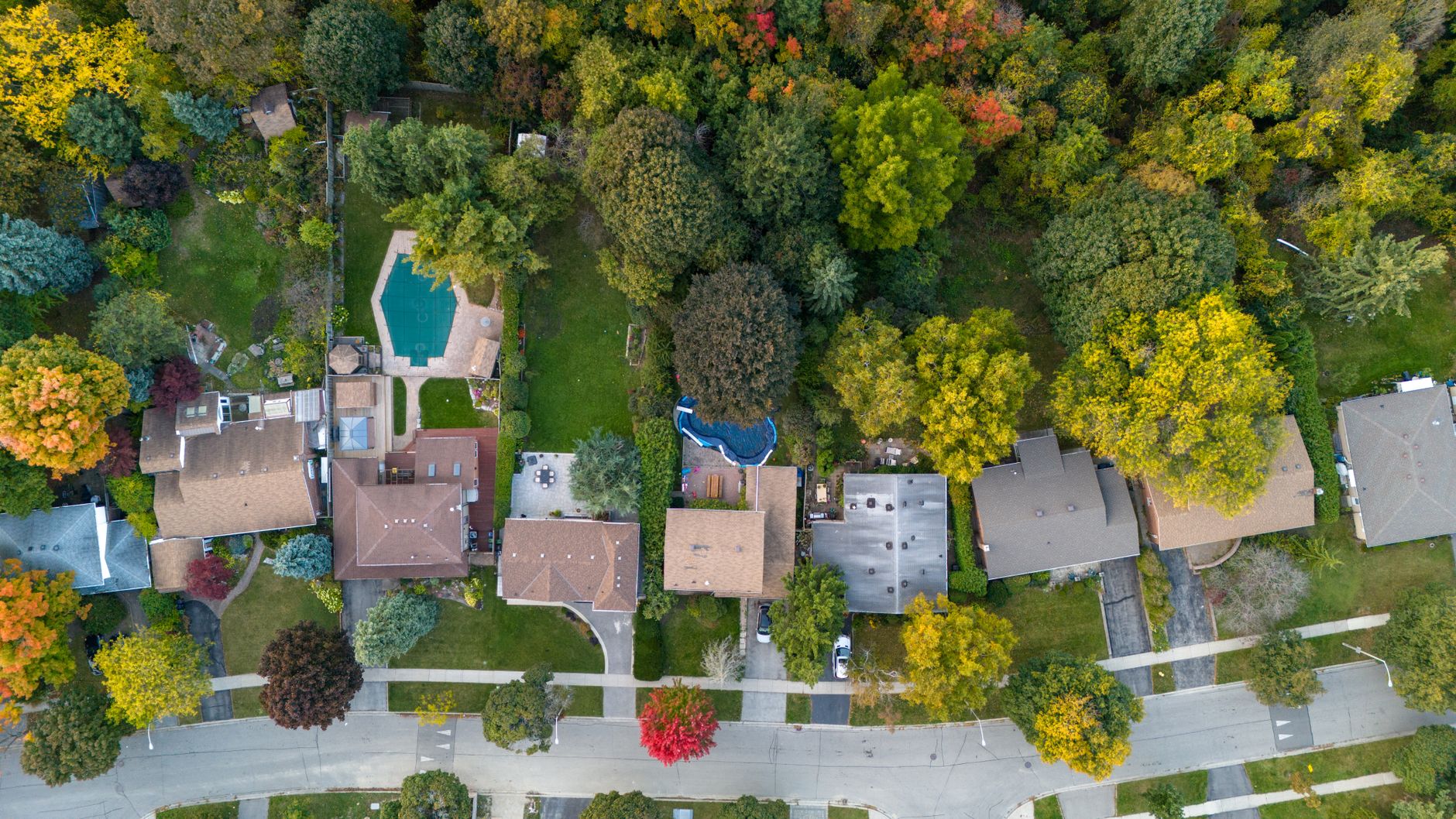
The five-bedroom craftsman at 1120 Grandview Avenue in Pasadena just closed for $1,850,000, pulling in four all-cash offers within forty-eight hours of hitting the market. This rapid transaction cuts clean through the noise of the latest California housing market forecast which painted a picture of a sluggish, stabilizing summer. While institutional analysts spent the early part of August arguing over whether high interest rates would paralyze late-summer inventory, buyers on the ground in Los Angeles county are acting with a quiet, decisive urgency. The mismatch between macroeconomic doomsday predictions and neighborhood-level reality has never been wider than it is right now in the first week of August 2026.
To understand why this is happening, we must look past the aggregate statewide averages dominating the evening news. Yes, some remote pockets of the state are experiencing a hangover from the early-2020s boom, leading national reports to brand California as a cold market this year. But this broad-brush labeling ignores the hyper-local microclimates of Southern California. In communities like Pasadena and nearby Willowbrook, home values are remarkably resilient. Zillow recently projected that home prices across the broader Los Angeles metro area would rise by 1.4% by late September 2026, disproving claims of an imminent market implosion. Serious buyers are not waiting for a massive price drop that is not coming. Instead, they are adapting to the current baseline, fueled by high-earning professionals relocating from northern hubs. Those who base their buying decisions solely on a generic California housing market forecast miss the subtle signs of neighborhood stabilization already occurring. This local demand keeps the floor solid, even when national sentiment suggests a cooling period.
Midsummer Shifts and Local Realities
The current momentum is also heavily influenced by seasonal activities and regional lifestyle draws. As the August 2026 events calendar for Los Angeles swings into full gear with outdoor festivals and high-profile networking summits, the city is experiencing its usual late-summer influx of prospective residents. Buyers who spent the spring analyzing the California housing market forecast from afar are now walking the tree-lined streets of Pasadena, realizing that the inventory squeeze is a permanent structural feature of the local landscape, not a passing trend. This realization triggers a shift in buyer psychology. Instead of waiting for interest rates to fall, buyers are securing premium properties now and planning to refinance later.
This strategic approach is particularly evident in the middle-tier luxury sector. Properties priced between one and two million dollars are moving rapidly because they represent the sweet spot for dual-income households who refuse to compromise on location. A typical buyer in this segment is often working in the expanding artificial intelligence and biotechnology sectors in Southern California. The steady flow of venture capital into early-stage AI startups has created a fresh wave of liquid wealth that is finding its home in local real estate. This capital does not care about national interest rate hesitation; it seeks long-term stability in premium ZIP codes where land is finite and demand is guaranteed.
The Tech Infusion Restructuring Showings
Real estate professionals are also changing how they operate to keep pace with these highly sophisticated buyers. This week, top-producing teams in Los Angeles are integrating advanced digital workflows to streamline the transaction pipeline. Instead of relying on traditional scheduling back-and-forths, forward-thinking agents are adopting AI scheduling tools like Motion (available at https://www.usemotion.com), which automatically optimizes showing calendars based on traffic patterns and client preferences. This minor operational shift has cut the time from initial inquiry to physical walkthrough by nearly forty percent. When premium listings in Pasadena go under contract in less than a week, saving forty-eight hours on the scheduling front can be the difference between winning a property and losing it.
Furthermore, the way buyers analyze properties is undergoing a quiet revolution. High-net-worth clients are increasingly turning to visualization and research platforms like Heuristica (found at https://heuristica.art) to map out local zoning laws and school district boundaries before setting foot on a property. This level of preparation means that when a buyer arrives at an open house, they already know the solar potential of the roof and the exact setbacks required for an accessory dwelling unit. The modern transaction is fast, data-rich, and highly calculated, leaving little room for casual window-shopping. Agents who fail to provide this level of computational depth are quickly finding themselves sidelined by more agile, tech-enabled competitors who understand that information velocity is the ultimate currency.
Migration Realities Defying the National Narrative
The movement of buyers within the state also challenges many assumptions found in the standard California housing market forecast reports. Redfin migration data highlights a fascinating trend: a steady net inflow of buyers moving from San Francisco down to Los Angeles during the first half of this year. This internal migration pattern breathes new life into southern neighborhoods, bringing northern tech equity into the local housing market. While national headlines focus on people leaving the state entirely, the reality on the ground is a sophisticated game of musical chairs within California itself. High-earning individuals are trading their fog-shrouded northern condos for spacious character homes in Pasadena and surrounding foothill communities.
This domestic migration is the real engine behind the steady price appreciation we are witnessing this August. It creates a self-sustaining ecosystem where local inventory is constantly absorbed by incoming wealth. When you pair this internal migration with the ongoing international demand for Southern California real estate, the narrative of a market on the brink of collapse begins to look incredibly thin. What we are actually seeing is a healthy consolidation. Instead of relying on an outdated California housing market forecast that groups diverse regions into a single index, savvy investors are tracking micro-trends.
The mismatch between macroeconomic doomsday predictions and neighborhood-level reality has never been wider than it is right now in the first week of August 2026.
Ultimately, the real estate story of late summer 2026 is not about interest rates or national economic indicators. It is about a fundamental shift in how we value physical space in a highly digital world. As virtual tools make the mechanics of buying faster and more analytical, the physical reality of a premier home in a coveted neighborhood becomes even more irreplaceable. The real risk is not buying at the wrong moment in the economic cycle; it is waiting on the sidelines while the most desirable properties are permanently locked away by those who understand that local land is the ultimate finite asset.
Frequently Asked Questions
Is the Southern California real estate market cooling down in late 2026? While some national reports indicate a general stabilization across the state, localized demand in prime southern neighborhoods remains exceptionally strong. Inventory shortages continue to drive competitive bidding and steady price appreciation in premium areas.
How are buyers using artificial intelligence to navigate the current market? Buyers and agents are using specialized AI scheduling and analytics platforms to optimize showing routes, analyze complex municipal zoning laws, and evaluate neighborhood-specific trends before submitting competitive offers.
Are home prices expected to drop significantly in Los Angeles soon? Current regional forecasts indicate a steady upward trend rather than a decline, with local home values expected to rise moderately through the end of the year due to high demand and limited housing inventory.
Ecomstation.ai
