Pasadena Real Estate Shifts as California Housing Market Prices Stabilize
Khushboo Siddhiwala
Nov 14, 2026 · 5 min read
Story
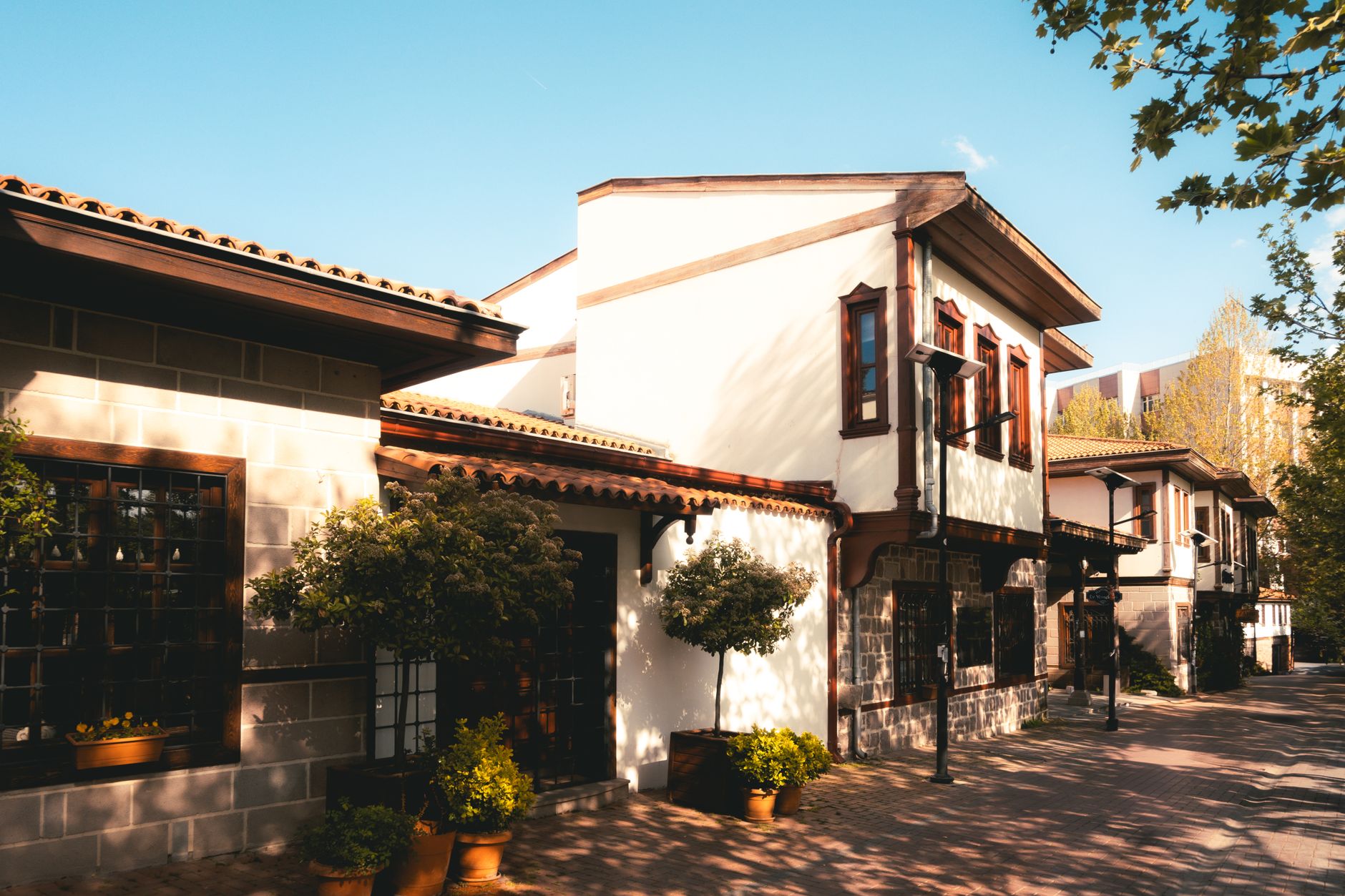
On a tree-lined stretch of East California Boulevard in Pasadena, a restored 1920s Spanish Colonial home listed at $1,450,000 went under contract in less than seven days this week. The transaction was not an anomaly, nor was it a frantic bidding war reminiscent of the post-pandemic frenzy. It sold for exactly list price, perfectly capturing the quiet, hyper-localized equilibrium defining current residential property values across Southern California. While macro economic headlines suggest a stagnant landscape, California housing market prices tell a far more intricate story depending on which side of the municipal boundary line you stand. Statewide, the average home value rests at $761,538, up a modest 0.6 percent year over year, with well-priced properties moving to pending status in an agile twenty-four days. Yet inside Los Angeles County, where the median price sits firmly at $1,000,000 after a slight 0.3 percent gain, the true battle for quality inventory is happening quietly behind closed doors. Across the state, roughly 36.2 percent of homes are still selling above list price, proving that premium single-family housing retains immediate liquid demand even when overall transaction volumes hit historical lows.
The Divide Between Suburban Holdouts and Coastal Micro-Climates
Step twenty miles south from Pasadena into Orange County, and the economic landscape shifts dramatically. In coastal enclaves like Newport Beach and master-planned neighborhoods across Irvine, median prices expanded by 2.9 percent over the past quarter to reach $1,200,000. That divergence illustrates how micro-markets operate under entirely different gravitational rules than broad state indices suggest. In Pasadena, buyers are navigating an environment where locked-in three percent mortgage rates have effectively frozen discretionary listing activity, leaving only highly motivated buyers competing for a narrow pool of well-maintained mid-century modern and historical homes. This inventory starvation creates localized pricing pressure even as national commentators debate broader economic soft landings.
The real estate reality of late 2026 is not a crash or a boom, but an unprecedented locking of horns between cash-rich buyers and supply-starved neighborhoods.
This structural inventory deficit has forced regional buyers to re-examine how they evaluate property values. Rather than relying solely on lagging quarterly brokerage reports, tech-forward buyers across Silicon Valley and West Los Angeles are turning to modern real-time data analytical platforms like those tracked on Superpower Daily to model long-term equity projections against fluctuating rate environments. Recent analysis from Pasadena Weekendr underscores that stability is the defining trend for homeowners already holding low-rate mortgages. If you own property, equity accumulates steadily, but entering the market as a homebuyer requires surgical precision regarding local neighborhood metrics. In Pasadena enclaves like Madison Heights or Bungalow Heaven, pricing a home just two percent above true fair market value can mean forty days of silence instead of a closed deal within a week.
Technology Integration and Next-Generation Diligence Tools
The adoption of advanced intelligence tools into daily real estate transactions has accelerated remarkably over the past year. Modern buyers in Pasadena are using daily productivity platforms and specialized artificial intelligence suites to inspect zoning ordinances, review historical permit filings, and evaluate micro-climate insurance premiums before stepping foot inside an open house. This data-heavy approach means buyers enter negotiations far more informed than previous generations of real estate investors. In historical communities where architectural preservation rules add layers to renovation budgets, buyers deploy custom research agents to digest municipal planning codes in seconds, allowing them to make unconditional offers with elevated confidence.
This tech-driven transformation aligns with broader venture funding flows across California. Venture trackers report that global startup funding reached nearly seven billion dollars in a single week earlier this month, with artificial intelligence tools and automated property valuation algorithms absorbing significant capital. For prospective buyers watching California housing market prices, these tools offer immediate clarity on whether an asking price reflects genuine scarcity or seller overreach. When more than one-third of state transactions close over list price, having precise valuation intelligence is the difference between securing an asset and forfeiting earnest money deposits on unworkable offers.
Operational Strategies for the Upcoming 2027 Market
As November moves toward December, the typical winter slowdown in Southern California real estate is proving remarkably shallow. Cash buyers and institutional investors who remained patient through previous rate hikes are now actively deploying capital into resilient sub-markets. In Pasadena, local listing agents report that turn-key properties priced between one million and two million dollars continue to draw multiple offers within forty-eight hours of MLS syndication. The California Association of Realtors noted in its 2027 outlook preparation that supply constraints will likely maintain this price floor for the foreseeable future, making severe price drops unlikely in supply-restricted corridors.
The underlying strength in California housing market prices demonstrates a durable floor beneath property valuations across premier zip codes. The persistent theory that residential home values must experience a major pull-back to solve broad housing affordability has run into the immovable wall of California geographic boundaries and strict municipal supply restrictions. While secondary housing markets in the Midwest and Sun Belt see localized inventory builds, established coastal California cities remain supply-constrained fortresses. Homebuyers waiting for a market crash are discovering that waiting simply translates to paying slightly higher prices for less square footage in subsequent quarters.
Navigating this market requires identifying hyper-local momentum shifts before they register in aggregate statewide data. Whether evaluating a craftsman home in Pasadena or a modern condo in downtown Los Angeles, success belongs to buyers who act on neighborhood-level data rather than broad state averages. As inventory remains tight, understanding local price velocity is the single most valuable advantage a buyer can possess.
Frequently Asked Questions
What is the median home price in Los Angeles County right now?
The median home price in Los Angeles County stands at $1,000,000, reflecting a steady 0.3 percent year-over-year increase, while competitive historic sub-markets such as Pasadena often command higher localized valuation premiums.
How many homes in California are selling above list price?
Approximately 36.2 percent of homes across California sell above list price, driven by historically low housing inventory levels and strong competition among buyers for turn-key residential properties.
How quickly are properties going pending in California late in 2026?
The average time for a home in California to reach pending status is twenty-four days, though well-priced single-family homes in desirable neighborhoods frequently enter contract within seven to ten days.
Ecomstation.ai
