Pasadena Secrets to High ROI on Rental Property California
Khushboo Siddhiwala
Aug 18, 2026 · 7 min read
Story
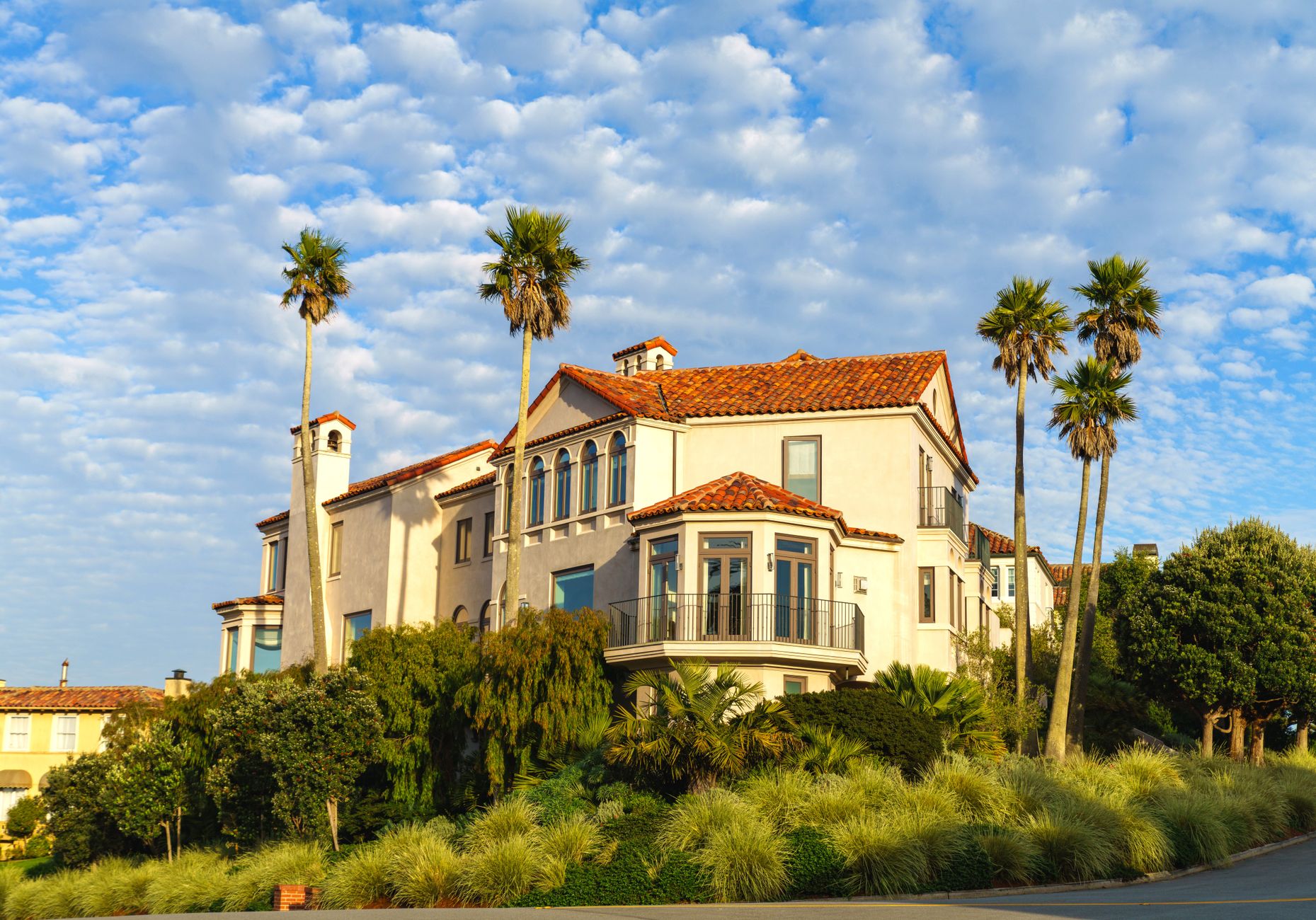
A freshly renovated Spanish Revival duplex at 1420 North Garfield Avenue in Pasadena just closed escrow for $1,345,000, illustrating exactly how seasoned operators are locking in their yields today. At a purchase price of this scale, generating a strong ROI on rental property California requires moving past basic spreadsheet assumptions and confronting real-world variables. The buyer of this property secured a 1031 exchange from a smaller retail condo in Glendale, aiming to capitalize on a market that is undergoing a massive, structural divergence. We are watching this play out in real-time as the late August heatwave rolls across the San Gabriel Valley, forcing investors to re-examine what actually makes a deal pencil. To understand where the real yields are, we must look past surface-level appreciation and calculate the cold, hard numbers driving coastal and inland corridors.
This week, as local events kick off from Menlo Park to Los Angeles, the broader Southern California housing market is exhibiting a stark K-shaped pattern. Stephen Meade of Damasaur Real Estate recently highlighted how this divergence is splitting the market, with high-end luxury assets holding firm while entry-level housing faces inventory strain and pricing volatility. In communities like Temecula and Murrieta, the August 2026 numbers show a median sales price of $715,000, showing that the inland empire remains a primary battleground for yield. For an investor calculating their potential ROI on rental property California, this geographic split is the single most critical factor to analyze. Inland assets offer higher immediate cash-on-cash yields, often hitting 5.5% gross rental yields, whereas premium coastal properties in Santa Monica or Newport Beach frequently hover around a tight 3.1% cap rate. Yet, smart capital is not fleeing the coast; instead, it is balancing immediate cash flow against historically guaranteed appreciation.
The Cash Versus Debt Equation in Coastal Cities
With the 30-year fixed mortgage rate holding steady at 6.56% as of this Monday, August 17, 2026, the cost of debt has fundamentally rewritten the investor playbook. Buying a rental property with a traditional 20% down payment now means your debt service will swallow the vast majority of your monthly rental income. For instance, in Santa Cruz, where the median home price sits at $1,250,000, a buyer putting down $250,000 faces a monthly principal and interest payment of roughly $6,360, before even accounting for taxes and insurance. To offset this, the property must generate at least $7,800 in monthly rent just to break even on a cash flow basis. This scenario explains the California Paradox, a term used by investment analysts to describe why wealthy buyers routinely purchase local assets with historically low cap rates of 3.2% instead of chasing 8% nominal yields in Ohio.
The secret lies in long-term equity growth and compounding tax advantages. California has an effective property tax rate of 0.7%, which sits comfortably below the national average of 0.90%. Although the state imposes a highly progressive income tax that reaches up to 13.3% on top-bracket rental earnings, the ability to write off mortgage interest, structural depreciation, and maintenance costs shields most of this cash flow from immediate taxation. This dynamic creates a scenario where a financed deal in Los Angeles might look mediocre on paper during year one, but by year ten, the compounding rental growth of 4.5% annually turns it into a quiet wealth generator. When you run the numbers for a long-term hold, the actual ROI on rental property California is driven far more by principal paydown and tax shelter than by the immediate monthly cash spread.
Navigating the Progressive Tax Landscape and Inland Shifts
To find the sweet spot where immediate cash flow meets appreciation, many institutional syndicators are moving their capital away from the saturated core of San Francisco and directing it toward the rapid-growth pockets of Sacramento. In Sacramento, the median home price of $545,000 combined with a robust average monthly rent of $2,600 creates a gross rental yield of nearly 5.7%. For an investor seeking to maximize their ROI on rental property California, financing a property in this price range with 30% down yields a positive monthly cash flow of approximately $450. Compare this to San Jose, where a similar calculation requires a purchase price of $1.4 million and results in negative cash flow unless the buyer injects at least 50% cash equity into the deal.
The real danger for modern investors is chasing paper-thin yields in secondary markets without accounting for localized vacancy rates and structural maintenance overhead.
This warning is particularly relevant as local municipal rent registries become more strict. Throughout San Diego and its surrounding coastal suburbs, local rental ordinances now limit annual rent increases to 5% plus inflation, maxing out at 10% total. If you buy a multifamily property in Oceanside for $1,800,000 expecting to immediately raise rents by 25% to meet market rates, you will find yourself blocked by local regulatory frameworks. Smart investors are instead focusing on value-add strategies, such as building Accessory Dwelling Units (ADUs). Under current state housing laws, adding a pre-fabricated 2-bedroom ADU in a backyard in Pasadena for a cost of $220,000 can yield an additional $3,200 in monthly rent, representing a massive 17.4% cash-on-cash yield on that specific capital expenditure. This strategy bypasses high land costs while directly boosting overall portfolio performance.
Running the Math on Inland Empire Cash Flow Playbooks
If your investment thesis demands immediate monthly income to service other obligations, you must look to the inland corridors where the initial yield curve is more favorable. Let us analyze a typical fourplex acquisition in Riverside, priced at $950,000. With each unit renting for $1,950, the gross monthly income is $7,800, which yields a gross annual return of 9.8%. Even with the current 30-year mortgage rates at 6.56%, a standard 25% down payment of $237,500 allows the investor to cover all operational expenses, the local 0.7% property tax, and still pocket a net positive cash flow of $1,100 per month. This concrete scenario shows that achieving a high ROI on rental property California is entirely possible if you align your target geography with your cash-flow requirements.
However, entering these markets requires a strict understanding of local tenant demand. Inland renters are highly sensitive to utility costs, particularly during the hot summer months in Bakersfield or Fresno where air conditioning bills can exceed $500 a month. Savvy owners are installing solar panels and tankless water heaters to lower the tenant-paid operational costs, which in turn justifies higher base rents and reduces turnover rates. In Palm Springs, where seasonal demand fluctuates wildly, successful operators are transitioning their portfolios away from short-term rentals, which face strict 11.5% local transient occupancy taxes and heavy neighborhood caps, and moving toward mid-term executive rentals. By catering to visiting healthcare professionals at the Desert Regional Medical Center, landlords are securing steady twelve-month leases at a premium rate, proving that creative positioning always beats blind market participation.
Aligning Your Portfolio with the Reality of 2026 Yields
Ultimately, succeeding in this landscape means shedding old assumptions about what constitutes a good deal. If you compare a 4% cap rate in Oakland to an 8% yield in the Midwest, you are missing the crucial compounding wealth effect that California land equity provides over a typical ten-year hold. When calculating the true ROI on rental property California, those who deploy capital into supply-constrained coastal suburbs or high-growth inland hubs like Murrieta will reap the largest rewards. The math is clear: calculate your entry point with current debt realities, protect your gains through smart depreciation, and remember that real wealth is built on land value, not just the monthly spread.
Frequently Asked Questions
What is a realistic cap rate for a residential rental property in coastal California? In premium coastal markets like Pasadena, Santa Cruz, or Santa Monica, realistic cap rates currently hover between 3.0% and 4.2%. While these yields are lower than national averages, investors accept them because of historic long-term appreciation rates, strong rental demand, and valuable tax depreciation benefits that shelter rental income.
How do the 2026 interest rates affect cash-on-cash returns for financed properties? With 30-year fixed mortgage rates sitting at approximately 6.56%, financed buyers must put down at least 25% to 30% to achieve positive cash flow on single-family or multifamily homes. Traditional 20% down payments in high-cost areas often lead to negative monthly cash flow, shifting the investment thesis toward long-term equity growth rather than immediate monthly yields.
Are inland California rental markets more profitable than coastal ones? Inland cities like Riverside, Sacramento, and Temecula offer significantly higher gross rental yields, often reaching 5.5% to 9.8%. These markets are ideal for investors who prioritize immediate monthly cash flow over long-term appreciation, whereas coastal areas remain superior for wealth preservation and compound equity growth over a ten-year hold.
Ecomstation.ai