Pasadena Signals Shift in California Housing Market Trends
Khushboo Siddhiwala
Oct 19, 2026 · 5 min read
Story
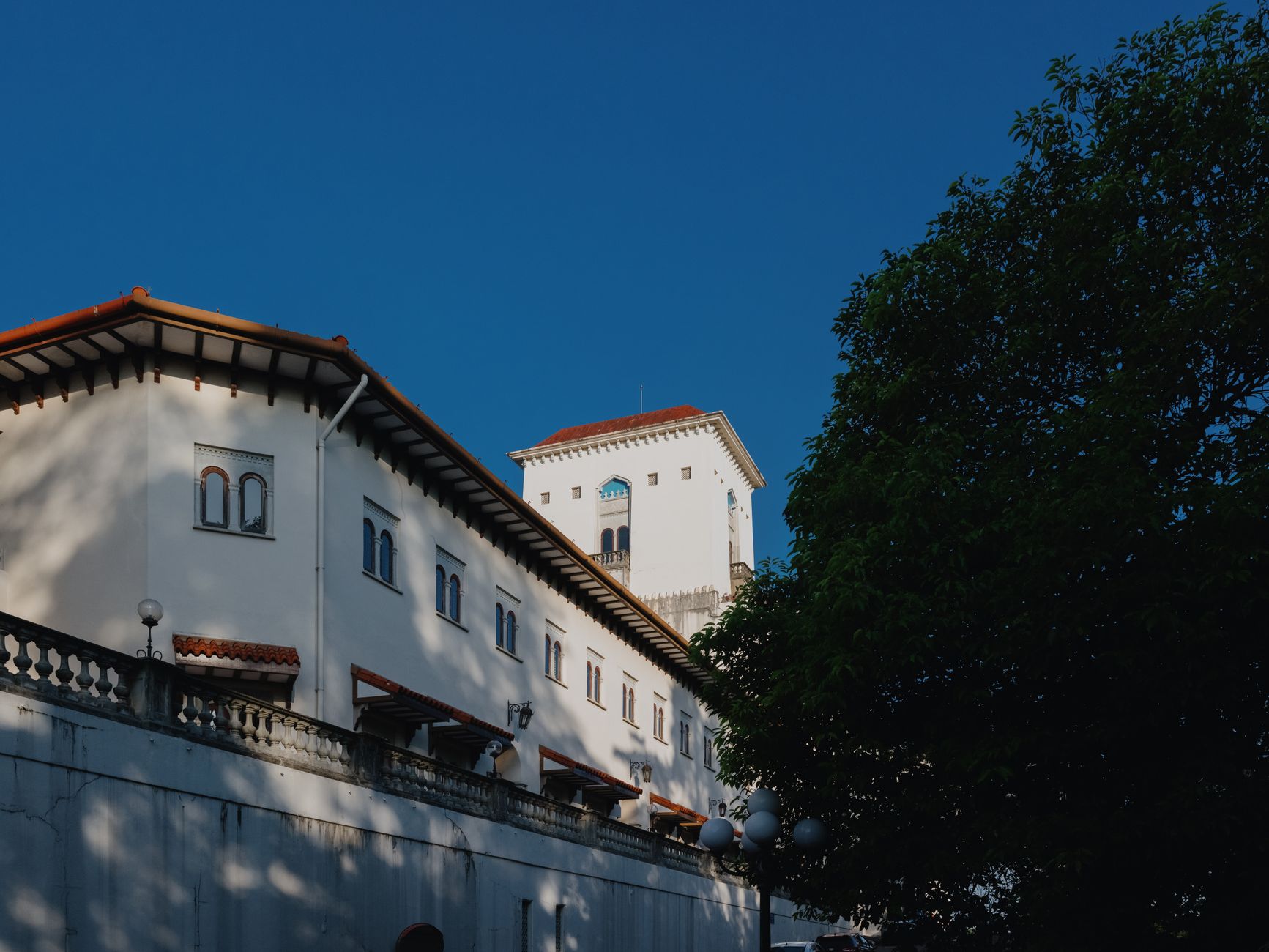
On a Tuesday morning in Pasadena, a three-bedroom Spanish Revival home at 1120 South El Molino Avenue listed at $1,395,000 received four cash offers before closing in eight days for $1,470,000. The rapid transaction was not an isolated outlier; it was an explicit demonstration of where smart capital is positioning itself across Southern California. Macroeconomic figures present a subdued baseline across the state, with the California Association of Realtors reporting a statewide median price of $904,640 and Realtor.com active listings hovering at 156,300 homes, up 0.95 percent month-over-month. Yet beneath these aggregate metrics, hyper-local shifts are redrawing neighborhood valuation maps. Navigating California housing market trends in October 2026 requires looking past statewide generalizations to examine specific postcodes where buyer demand, interest rate stabilization at 6.65 percent, and tech equity distribution intersect. In Pasadena ZIP code 91106, average days on market have dropped to just 14 days as buyers abandon outer-ring suburban developments to lock capital into architecturally significant infill housing stock. In neighboring 91105, character homes are commanding $920 per square foot, up 3.4 percent year-over-year.
Silicon Valley Tech Liquidity Triggers Willow Glen Surge
Northern California real estate is experiencing a fresh influx of private liquidity directly tied to artificial intelligence venture capital expansion. Crunchbase funding data for Q3 2026 recorded a historical high in billion-dollar venture capital rounds as global AI infrastructure deployment accelerated, funneling fresh equity directly into Bay Area households. In San Jose, specifically within the historic Willow Glen neighborhood of ZIP code 95125, this tech liquidity is reshaping local real estate negotiations. Single-family home values in Willow Glen reached a median price of $1,680,000 this October, representing a 4.2 percent year-over-year increase while rural northern counties experienced value declines of 1.7 percent. High-earning tech executives backed by recent liquidity events are evaluating prime San Jose residential properties as vital real-asset stores of value. Homes offering modern electrical infrastructure, high-efficiency solar systems, and immediate proximity to downtown transit corridors are generating multiple offers above list price within ten days of listing. This northern wealth creation is also flowing south toward Pasadena, where technology founders and early employees are securing secondary residences, importing equity directly into classic Southern California architectural submarkets.
Infill Demand Reshapes Pasadena and Culver City
Within Los Angeles County, buyer interest has consolidated heavily into walkable, core urban submarkets like Pasadena and Culver City. The 90232 ZIP code in Culver City saw median home prices reach $1,825,000 in September 2026, driven by media executives and technology leaders competing for limited residential inventory near major production hubs. Simultaneously, Pasadena is absorbing affluent buyers moving inward from outer eastern valleys, where 6.65 percent mortgage rates have cooled speculative suburban purchasing power. Examining current California housing market trends reveals that properties priced between $1,200,000 and $2,100,000 in established architectural districts are outperforming broader county benchmarks. Turnkey properties priced realistically against recent sales comps close within two weeks, whereas listings that push speculative pricing suffer steep price cuts after 45 days on market. With 30-year fixed rates holding steady between 6.65 percent and 6.75 percent according to Bankrate benchmarks, buyers are unwilling to pay premiums for unfinished properties, concentrating their purchasing power on fully renovated character homes. Inventory in Pasadena remains tight at just 2.1 months of supply, preventing the price concessions seen in outer master-planned communities.
Hyper-local value retention is favoring architectural character and immediate urban convenience over expansive outer-ring square footage.
Coastal San Diego and Sacramento Capital Flows
San Diego County reflects a similar pattern of micro-market outperformance over regional averages. In North Park, ZIP code 92104, single-family home prices reached $985,000 in mid-October 2026, representing a 3.1 percent annual gain despite broader transaction volume declines across Southern California. Urban infill density initiatives and a robust commercial streetscape have turned North Park into a primary target for upwardly mobile buyers and small-scale private portfolio investors. Further north in Sacramento, the East Sacramento neighborhood in ZIP code 95819 demonstrates how key inland hubs maintain upward price support. East Sacramento median prices stood firm at $825,000, bolstered by Bay Area buyers executing equity trades to lower their cost of living while retaining high quality of life standards. These distinct micro-climates confirm that California housing market trends are diverging by street block and postal code. Structural supply shortages in San Diego, Sacramento, and Pasadena are creating durable price floors that resist broader macroeconomic headwinds.
Strategic Outlook for High-Density Real Estate Markets
Navigating real estate opportunities in late 2026 requires rigorous neighborhood selection and absolute discipline regarding asset condition. The statewide median of $904,640 masks a clear geographic division: northern rural markets experiencing subtle price drops while core coastal and tech-adjacent urban centers set new valuation benchmarks. Rising seasonal inventory offers buyers improved leverage when negotiating on homes with structural deferred maintenance or outdated layouts. However, turnkey homes in Pasadena, Willow Glen, and North Park continue to trade at premium price points because buyers refuse to take on complex renovation projects amidst inflated contractor rates. Current California housing market trends reveal that capital appreciation is clustering around high-performing school districts, cultural districts, and tech-linked transportation corridors. Investor capital is no longer lifting all postal codes equally; instead, liquidity is seeking out resilient neighborhoods that deliver immediate lifestyle benefits and long-term equity security.
Frequently Asked Questions
What are the defining California housing market trends in late 2026? The California market is defined by micro-market divergence, where the statewide median home price of $904,640 masks focused value gains in core urban hubs like Pasadena and San Jose. Mortgage rates holding between 6.65 percent and 6.75 percent have created a cautious buyer pool that favors move-in ready properties in premier zip codes over suburban expansion.
How are AI industry funding rounds impacting home values? Record Q3 2026 venture capital allocations into AI infrastructure startups have generated substantial liquidity for Bay Area tech professionals. This wealth creation has driven single-family home medians in San Jose's Willow Glen neighborhood up to $1,680,000, while sending secondary capital into Southern California foothill markets like Pasadena.
Is Pasadena experiencing strong home buyer demand right now? Yes, Pasadena remains one of Southern California's top-performing submarkets, with homes in ZIP code 91106 averaging 14 days on market. Strong buyer demand for well-maintained historic homes has kept price floors firm around $1,400,000 despite persistent interest rate pressures.
Ecomstation.ai