Renting vs Buying in San Gabriel: What Actually Makes Sense
Khushboo Siddhiwala
Sep 22, 2026 · 6 min read
Story
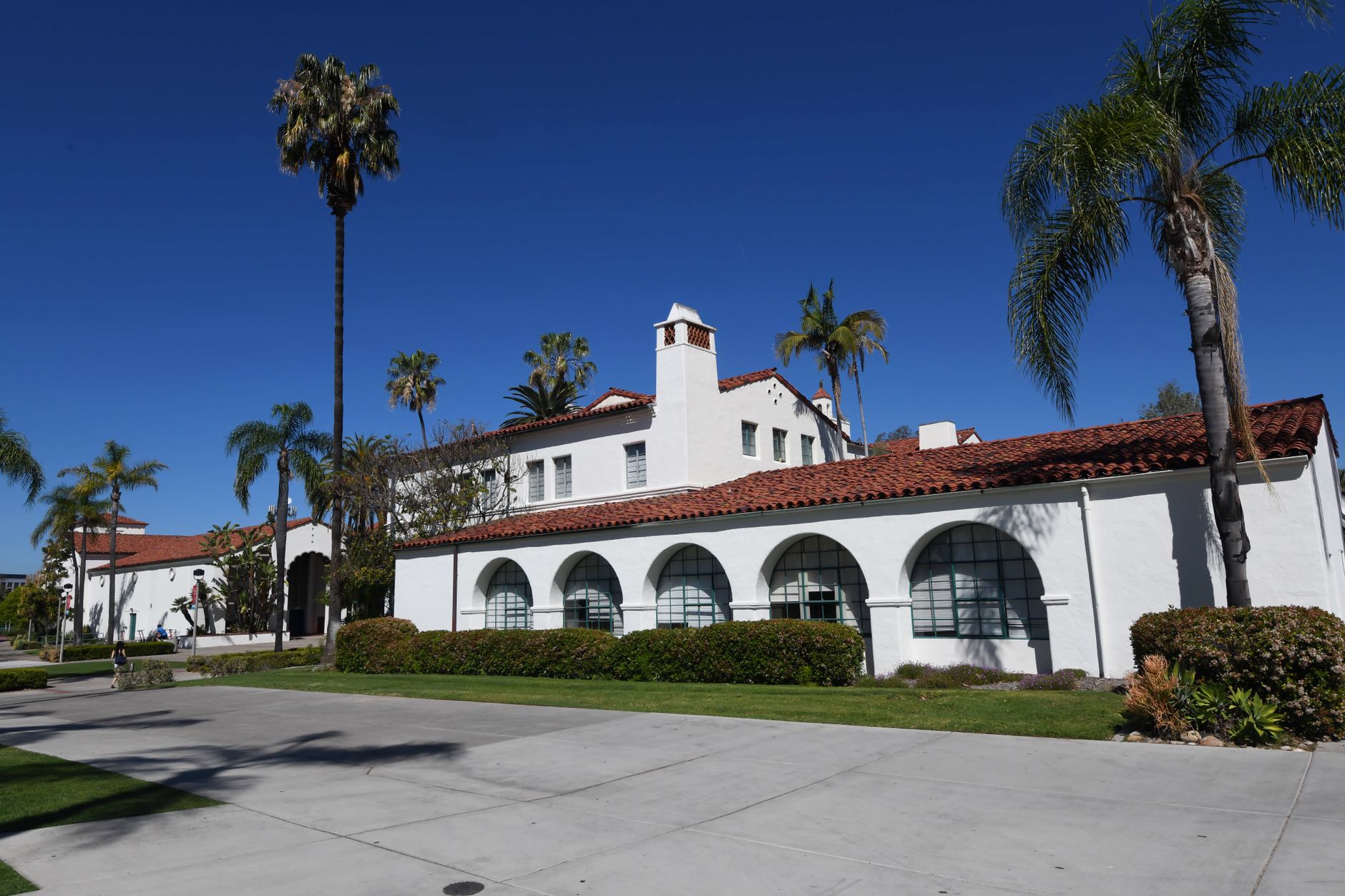
At the quiet, tree-lined intersection of West Valley Boulevard and San Gabriel Boulevard, a modest two-bedroom Spanish-style bungalow sold for just over nine hundred thousand dollars, while down the street, a comparable apartment leased for thirty-five hundred dollars a month. This stark contrast highlights the central dilemma facing professionals looking to establish roots in the San Gabriel Valley. Deciding on renting vs buying in San Gabriel requires looking past immediate monthly payments to examine the compounding velocity of Southern California real estate. While writing a rent check seems like the path of least resistance, the mathematical reality of the local market suggests that waiting for the perfect moment to purchase is often the most expensive decision a resident can make.
The local housing inventory remains constrained, driving a persistent seller's market where homes sell at a median of forty-six days and routinely fetch their full asking price or higher. For many households, the temptation to remain in a comfortable tenancy is strong, especially when rental platforms quote median rents for a one-bedroom apartment at twenty-eight hundred dollars. However, this short-term cash flow preservation masks a silent erosion of purchasing power. In San Gabriel, those who choose to rent are not merely avoiding a mortgage; they are actively funding a landlord's long-term equity growth while exposed to relentless rental inflation.
The High Cost of Waiting on the Sidelines
Real estate advisors across the San Gabriel Valley often observe a recurring phenomenon among cautious buyers who pledge to wait just one more year for conditions to soften. These prospective homeowners frequently discover that a twelve-month delay translates to paying four hundred to six hundred dollars more per month in rent when lease renewals arrive. This escalating cost represents capital transferred entirely to a landlord rather than being converted into principal paydown on a personal asset. In San Gabriel, where the sale-to-list price ratio hovers around one hundred and one percent, waiting does not offer a discount; it simply resets the entry barrier at a higher level.
The financial friction of waiting is amplified by the sheer velocity of the local market. Buyers waiting for a dramatic correction overlook the structural undersupply of housing that characterizes the entire Los Angeles metropolitan area. San Gabriel possesses a unique charm, rooted in its rich history, cultural institutions, and highly rated school districts, which ensures demand remains resilient even during broader economic shifts. When a buyer decides to pause their search, they are gambling against a historical trajectory that consistently favors property ownership over tenancy.
The Math Behind San Gabriel Rental Escalation
To understand why renting vs buying in San Gabriel favors the buyer over a multi-year horizon, one must analyze the compounding nature of rent increases. A standard two-bedroom apartment renting for thirty-five hundred dollars a month might seem manageable compared to a hefty mortgage payment. However, applying a conservative annual rent growth rate of six percent transforms that monthly obligation to nearly forty-seven hundred dollars in just five years. Over that same period, a tenant will have spent over two hundred and forty thousand dollars in non-recoverable rent payments, leaving them with zero equity and a significantly higher monthly housing bill.
Conversely, a fixed-rate mortgage protects the homeowner from this compounding escalation. While the initial monthly outflow for a purchase in San Gabriel is undeniably higher than renting a similar property, the mortgage payment remains stable for thirty years. Over time, inflation devalues the real cost of that fixed payment, while rent payments rise in tandem with inflation. This financial dynamic creates an expanding gap between the renter's growing housing expenses and the buyer's predictable, stabilized costs.
The silent hazard of renting in a high-demand market is that your housing costs are guaranteed to rise, while a fixed mortgage payment acts as a permanent shield against inflation.
What Happens When Interest Rates Fall
A common strategy among local buyers is to wait for mortgage interest rates to drop before entering the San Gabriel real estate market. This approach, while intuitive, ignores the basic economic law of supply and demand. Real estate analysis modeling a scenario where mortgage rates decline to five and a half percent reveals a significant catch. A drop in rates immediately unleashes a wave of sidelined buyers back into the market, triggering intense competition that can easily drive home prices up by ten percent or more.
In a high-demand suburb like San Gabriel, a ten percent increase on a million-dollar property adds one hundred thousand dollars to the purchase price. This price appreciation completely erases the monthly savings gained from a lower interest rate, leaving the buyer with a larger principal balance and less equity from day one. Purchasing a home at a higher rate and refinancing later when rates decline is historically a much more effective wealth-building strategy than waiting for prices to escalate.
Mapping the Financial Reality of the San Gabriel Valley
Deciding on renting vs buying in San Gabriel ultimately depends on a household’s intended horizon. If a resident plans to remain in the area for fewer than three years, the high transactional costs of purchasing make renting a sensible short-term holding pattern. However, for anyone planning a five-to-ten-year stay, the wealth-building advantages of ownership are mathematically undeniable. Homeowners in this enclave benefit not only from steady price appreciation but also from tax advantages and the gradual paydown of their loan balance.
When comparing renting vs buying in San Gabriel, the mathematical advantage shifts to the buyer as the years progress. Investing in local property is an investment in a highly desirable community where land is finite and demand is enduring. Reframing the purchase of a home from a monthly expense comparison to a long-term capital preservation vehicle is the key to unlocking true financial stability in Southern California.
Frequently Asked Questions
Is it cheaper to rent or buy a home in San Gabriel?
In the short term, renting a property in San Gabriel generally requires a lower monthly cash outlay than buying a comparable home due to current mortgage rates and high purchase prices. However, when factoring in long-term equity accumulation, tax benefits, and protection against annual rent increases of six percent or more, buying a home becomes significantly more cost-effective over a five-to-ten-year horizon.
How fast are rents rising in the San Gabriel area?
Historical trends and regional housing data show that rents in the San Gabriel Valley experience steady annual growth, often averaging around six percent. This means a two-bedroom apartment renting for thirty-five hundred dollars per month can easily rise to over forty-six hundred dollars per month within five years, dramatically increasing the lifetime cost of renting.
Should I wait for interest rates to drop before buying in San Gabriel?
Waiting for interest rates to fall is a risky strategy because lower rates typically invite a surge of buyers back into the San Gabriel market. This increased competition often drives home prices up by ten percent or more, offsetting any monthly savings from the lower rate and forcing buyers to take on a much larger principal loan amount.
Ecomstation.ai