Revolutionizing LA Real Estate: The AI Transformation at Beverly Hills' Iconic Listings
Khushboo Siddhiwala
May 20, 2026 · 3 min read
Story
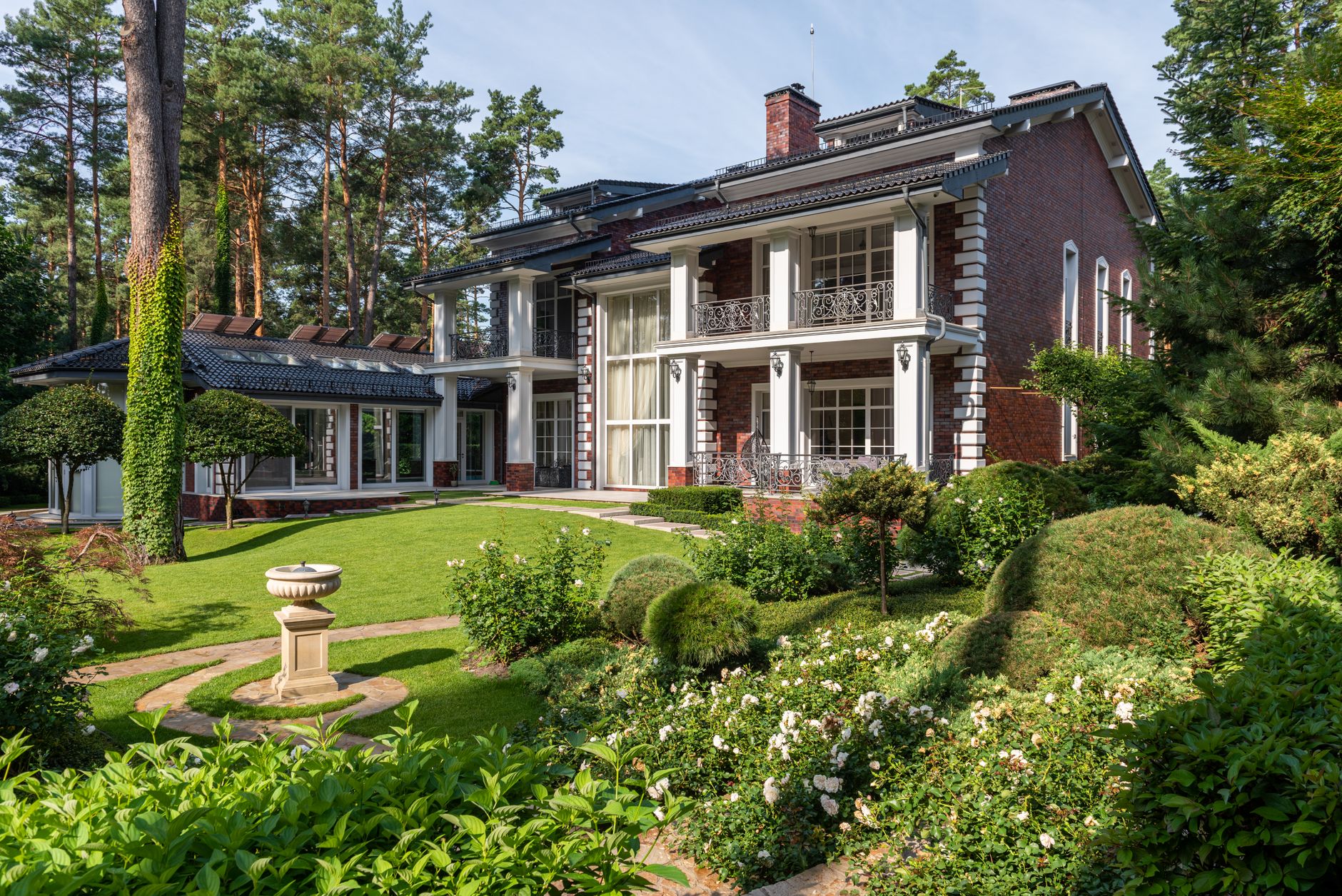
Amid the opulent landscape of Los Angeles, where every address tells a story and every façade holds a chapter of architectural acclaim, a silent revolution brews. At 8408 Hillside Avenue, a modernist marvel recently entered the market not merely as a home but as a living organism, animated by the intelligence of algorithms. The open house, a hallmark of high-stakes transactions, now begins with a silent witness: AI technology that subtly crafts the narrative prospective buyers experience. In LA’s real estate tapestry, Artificial Intelligence has woven threads of precision and prescience, altering both the canvas and the viewer’s perception.
At the forefront of this transformation is AI-powered property management seen through Propurti Geeks’ newly launched platform. As it graces the famed boulevards of Beverly Hills—where property eclectics unite architectural grandeur with discerning privacy—this platform does more than manage; it orchestrates. It collects rent, schedules maintenance, predicts wear and proactive repairs, and assimilates myriad tenant interactions into seamless operations.
In the sunlit streets where Hollywood ambitions once burgeoned, AI’s influence extends further, reshaping the art of investment. Real estate behemoths such as Zillow, under the visionary guidance of CEO Jeremy Wacksman, employ AI to revolutionize how Angelenos engage with properties. AI-driven analytics empower investors with insights previously accessible only to the most seasoned experts, pinpointing emerging hotspots like Playa Vista and upcoming dynamos such as Frogtown along the revitalized LA River. These insights coax hidden potential from landscapes, turning overlooked lots into prospective landmarks.
As the 2026 iterations of CES crescendoed this January, smart homes emerged not as future musings but present realities. In North Hollywood and Culver City, technology blurs the line between innovative and intuitive. Homes recognize owners and their preferences, adjusting climates, lighting, and unlocking doors with ambient grace. AI tampers not with dreams but redefines them: it unveils new dimensions of what home can mean.
Despite its disruptive prowess, AI’s realm is marked by subtlety rather than spectacle. Technology narrates a story where the guest is always one step ahead—decisions are whispered, and actions appear as barely anticipated inevitabilities. This revelation holds profound implications for LA’s luxury market: homes like the Chateau Marmont-inspired enclave at 780 North Tigertail redefine exclusivity as they merge touchless access with contactful experiences.
Yet, these innovations bring introspective queries. Could AI dilute the personal and sentimental in transactions that hinge upon such human connections? In the context of LA's culture, it offers answers not by replacing experience but by enriching it. Within the architectural firmament about Mulholland Drive, AI ensures decisions rooted in analytics are nonetheless warmly human.
Los Angeles stands at the threshold of a new era, not with trepidation but poised with unyielding resolve. Through AI’s lens, the hills and valleys of this city—the swimming pool-clad meadows and the perch-laden neighborhoods—glimmer with uncharted prospects. The city’s narrative, always one of reinvention, finds another chapter in the confluence of intelligence, both artificial and inherent.
For those who navigate the labyrinth of LA’s ever-shifting tableaux, AI rises not as a harbinger of challenge but as an enabler of potential, sparking an age where innovation scribes dreams and jongleur scripts reality. As dusk settles across Sunset Boulevard and the scintillation of night awakens, AI does not rest, nor do the possibilities it heralds in this inimitable city.
Ecomstation.ai