Riverside Leads Shift in California Investment Property ROI
Khushboo Siddhiwala
Nov 10, 2026 · 6 min read
Story
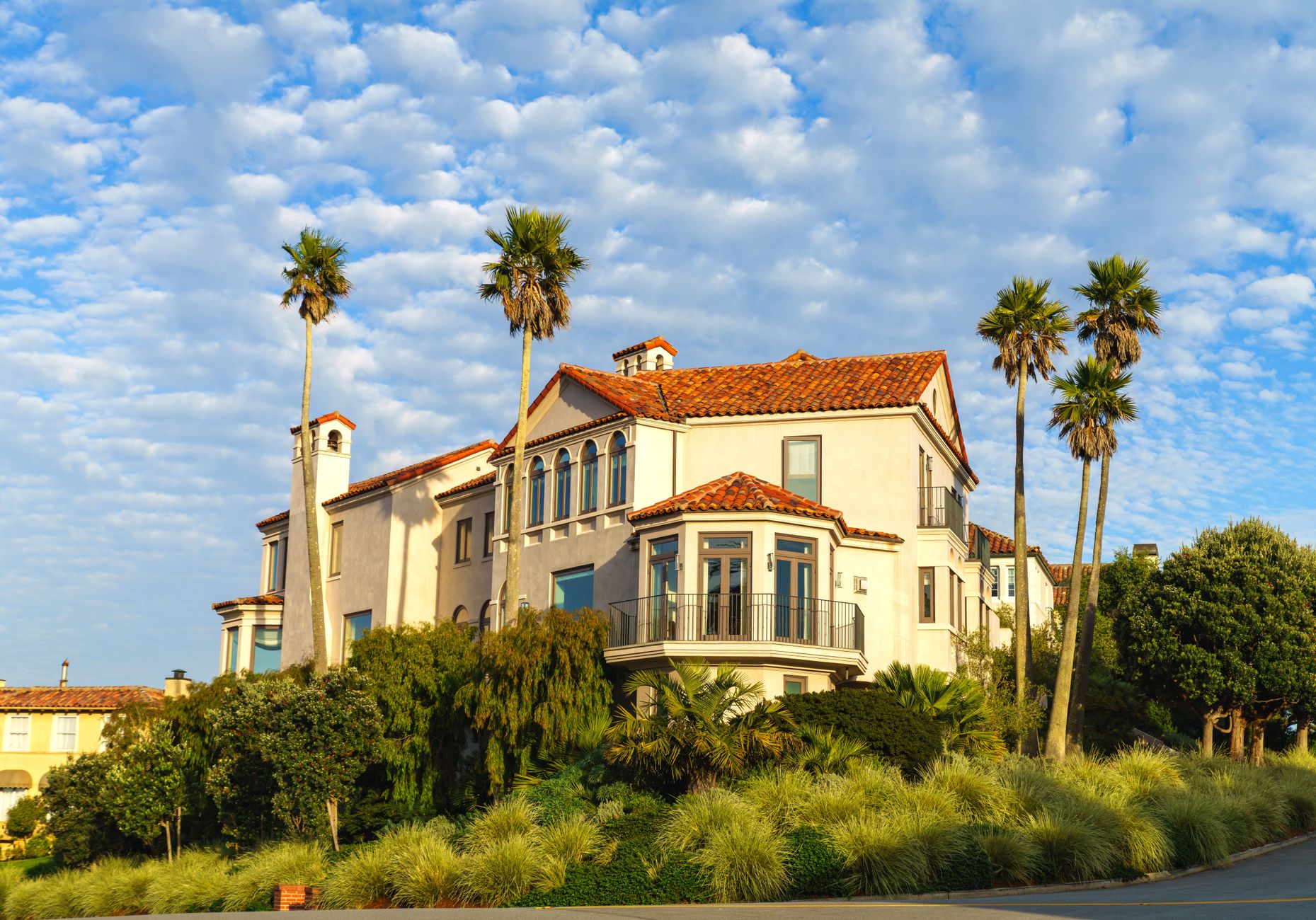
Downtown Riverside at 3600 Brockton Avenue is currently telling a story that coastal real estate brokers usually prefer to ignore. A renovated 1920s craftsman duplex in the 92501 ZIP code sold last week for $685,000, pulling in $4,100 per month in combined rental income. That single transaction delivers a 7.18% gross yield right out of the gate. For investors tracking California investment property ROI, the math reveals a stark geographic reality. While coastal icons like Santa Monica and Pacific Heights struggle to generate 3.2% gross yields, inland hubs and targeted mid-density submarkets are generating actual positive cash flow in late 2026. Understanding where real returns exist requires ignoring broad statewide headlines and examining localized market data block by block.
Inland Yields Redefine Golden State Strategy
The Inland Empire has quietly transformed from a budget alternative into the primary engine for real estate yield across the region. Market data for November 2026 shows Riverside delivering an average gross rental yield of 5.8%, comfortably outpacing out-of-state sunbelt high-flyers like Austin, Texas at 5.5%. When 30-year fixed mortgage rates average 6.56%, purchasing a $1.8 million single-family home in Santa Monica with a 3.1% cap rate creates immediate negative cash flow unless you put down 50% or more in cash equity. In contrast, multi-family properties in Downtown Riverside and surrounding Eastside neighborhood pockets maintain entry points around $340 per square foot, allowing debt service coverage ratios that satisfy commercial lenders.
This shift is driving institutional capital and private family offices out of traditional West Los Angeles enclaves and into San Bernardino and Riverside counties. The recent Pasadena Weekendr real estate stability report highlighted how coastal property owners are locking in existing equity while deploying fresh capital inland to balance overall portfolio performance. If you purchase a triplex in Riverside's 92506 area code for $920,000 with 25% down, your net operating income comfortably covers financing while leaving cash reserves for maintenance. Coastal appreciation continues to build long-term balance sheet equity, but inland rent growth pays the active debt service today. Evaluating your California investment property ROI demands treating immediate yield and long-term appreciation as distinct balance sheet tools rather than assuming every city behaves identically.
The ADU Multiplier in Pasadena and Culver City
While out-of-market yield hunting takes capital to the Inland Empire, coastal urban core investors are engineering higher returns directly in their own backyards. In Pasadena's 91104 ZIP code, a single-family bungalow purchased for $1.1 million offers a modest 3.4% baseline gross yield. However, adding an 800-square-foot detached accessory dwelling unit (ADU) for $225,000 fundamentally alters the asset's overall return profile. Current construction data shows ADU investments in Southern California generate a standalone 5% to 7% annual cash yield on all-inclusive build costs. In Pasadena, that newly constructed two-bedroom ADU rents for $2,850 per month, pushing total property revenues from $3,300 to $6,150 per month.
That single capital improvement elevates the blended property yield past 5.5% without requiring an additional real estate acquisition or secondary land purchase. In Culver City near Washington Boulevard, tech professionals working at nearby entertainment and digital media studios push ADU rental demand even higher. An ADU addition in the 90232 ZIP code commands $3,400 per month, translating to an immediate cash return on construction capital that far outpaces public equities or fixed-income bonds. Rather than searching endlessly for underpriced properties in high-competition coastal markets, savvy investors use existing residential parcels to expand yield in place. This approach protects baseline land equity while optimizing overall California investment property ROI across premium coastal submarkets.
Sacramento Arbitrage and Northern California Cash Flow
Moving north, Sacramento has established itself as Northern California's primary high-yield market. While San Jose median home prices hover around $1.5 million with gross yields sitting under 3.5%, Sacramento's Midtown neighborhood in the 95816 ZIP code offers duplexes and triplexes at $420 per square foot. Median residential rents in Midtown hit $2,450 for an updated one-bedroom apartment this month, yielding an average 5.6% gross return across small multi-family assets.
Cash flow in 2026 belongs to investors who trade brand-name coastal ZIP codes for inland debt coverage and backyard density.
The economic driver here extends beyond traditional government employment. Northern California is benefiting directly from the ongoing wave of technological expansion. Global startup funding reached $6.9 billion in a single week this November, driving fresh hiring across artificial intelligence infrastructure and software sectors. As tech workers seek remote or hybrid flexible lifestyle options outside Silicon Valley, Sacramento's urban core receives steady inflows of high-earning tenants. Landlords who adopt modern property management AI tools automate maintenance requests and lease renewals, reducing operational property management overhead by up to 20%. The resulting efficiency pushes net yields up another 40 basis points, making Sacramento one of the strongest risk-adjusted return environments in Northern California.
Long-Term Appreciation vs Immediate Yield Dynamics
The persistent return gap between high-yield inland submarkets and low-yield coastal zones highlights what institutional analysts term the California Paradox. Low cap rates in prime markets like Palo Alto or Manhattan Beach reflect investor willingness to trade current income for long-term land value equity. The California Association of Realtors released its 2027 California Housing Market Forecast, projecting continued inventory constraints and sustained price appreciation across major metropolitan regions due to structural housing shortages.
However, relying entirely on projected appreciation without positive cash flow creates severe operational risk when borrowing costs remain above 6%. Smart money is actively structuring split portfolios. Capital is allocated to asset classes with strong debt coverage in markets like Riverside or Sacramento to support holding costs, while targeted equity plays remain parked in premier coastal locations. Maximizing California investment property ROI requires calculating total return over a seven-to-ten-year horizon rather than focusing strictly on year-one cap rates. Buying right in late 2026 means securing an asset where tenant demand covers debt obligations regardless of short-term macroeconomic volatility.
Frequently Asked Questions
Which California cities currently offer the highest gross rental yields?
Inland Empire cities like Riverside and San Bernardino currently lead major California metropolitan areas with gross rental yields averaging 5.8%. In Northern California, Sacramento leads with gross yields between 5.4% and 5.7%, significantly outperforming coastal hubs like San Francisco and Santa Monica, which typically average under 3.3%.
How do ADUs impact California investment property ROI?
Adding an ADU generates an annual rental yield between 5% and 7% on construction costs alone. By boosting total monthly rental revenue on an existing property, ADUs raise the overall cash-on-cash return of a single-family asset without incurring the transaction costs of acquiring additional land parcels.
How do mortgage rates near 6.56% affect real estate cash flow in California?
Mortgage rates around 6.56% increase debt service, making low-yield (3% to 4%) coastal properties cash-flow negative with standard 20% down payments. Investors must either put down higher equity stakes or focus on higher-yielding inland markets like Riverside and Sacramento to maintain positive debt service coverage.
Ecomstation.ai