Sacramento Beckons: Why Wealthy Coastal Relocators Are Redrawing the Map
Khushboo Siddhiwala
Sep 13, 2026 · 6 min read
Story
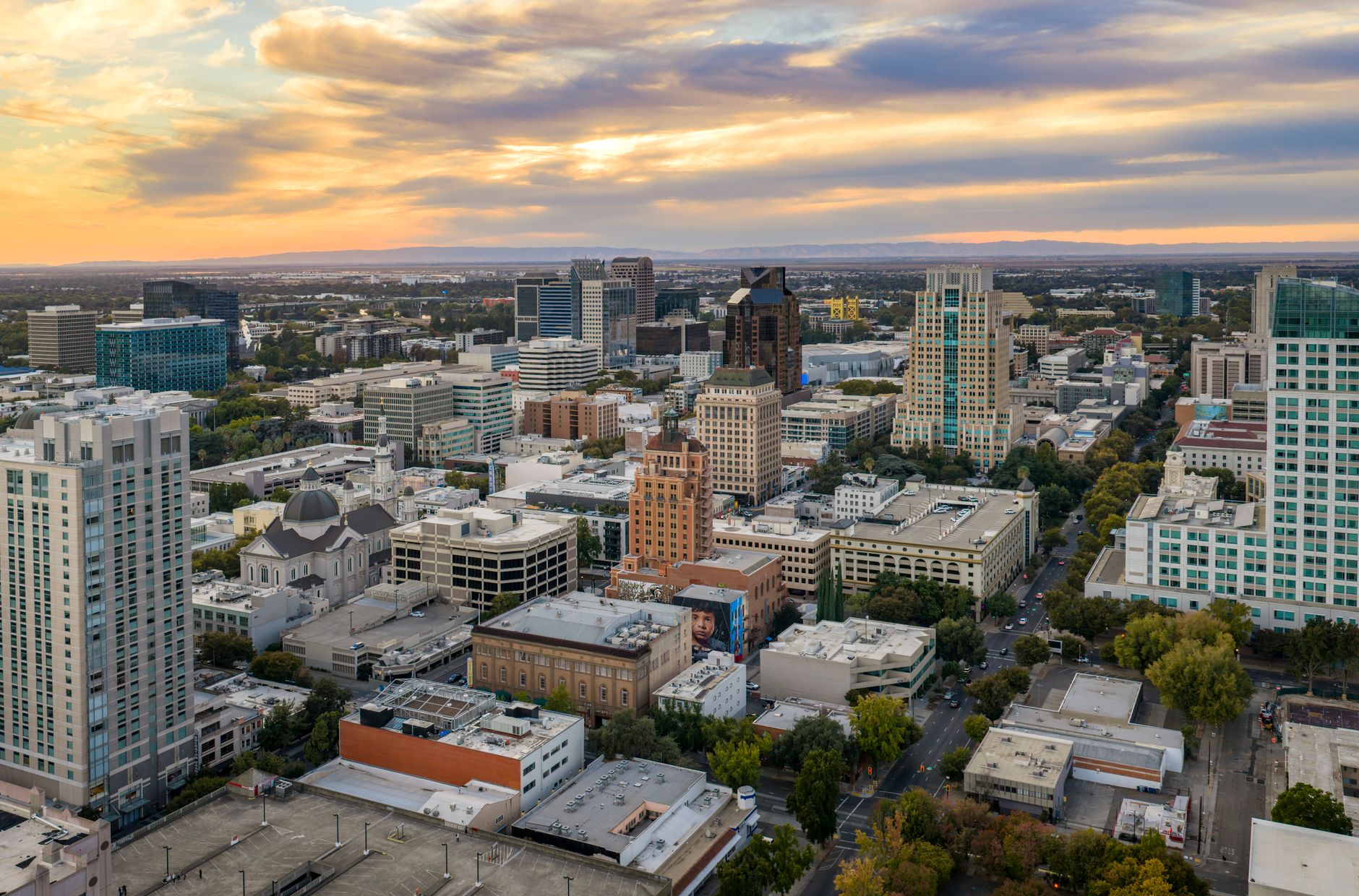
On a warm Thursday afternoon along McKinley Park's leafy border in Sacramento, a bidding war for a classic 1928 Tudor on 38th Street ended with a cash offer of $1,285,000. The buyer was not a local lobbyist, but a thirty-something software engineering lead from San Francisco who plans to commute via the Capitol Corridor train twice a week. This transaction represents a profound shift in the regional landscape. While national observers obsess over coastal cooling, local realities tell a different story about California housing market trends. Sacramento is rapidly transforming from a sleepy government outpost into the prime destination for high-earning coastal refugees who refuse to leave the state.
The Great Central Valley Gravity
According to Redfin’s nationwide migration data for the first half of 2026, Sacramento was the sole California metropolitan area to rank in the top ten inbound destinations across the United States. While the state recorded a net outflow of nearly fifty-five thousand residents during the first quarter, Sacramento pulled in a net inflow of forty-four hundred buyers. This influx is reshaping neighborhoods like Land Park and East Sacramento, where home prices are accelerating. At the same time, other interior hubs are experiencing a different reality. The 2026 moving trends report highlights a stark contrast, noting that Bakersfield is struggling with a dismal zero-point-thirty-eight move-in-to-out ratio, followed closely by Riverside at zero-point-forty-two.
These diverging paths show that internal migration is no longer a simple story of fleeing the coast. Instead, buyers are sorting themselves by economic capability. Understanding these California housing market trends is essential for both buyers and sellers, as high-income professionals are departing San Francisco and Los Angeles not for other states, but for highly specific interior pockets that offer historic architecture, rich culture, and proximity to major economic centers. This concentrated demand is keeping local prices insulated from broader macroeconomic shifts. Buyers are arriving with significant equity from previous sales, which allows them to bypass the financing hurdles that are freezing local first-time buyers out of the market entirely.
The Capital Class and the Silicon Migration
Many of these inbound buyers represent a new breed of remote worker, deeply embedded in the thriving artificial intelligence ecosystem of the Bay Area. Instead of working in physical offices in San Jose, these professionals use sophisticated AI scheduling and productivity tools like Motion to orchestrate their hybrid work weeks from home offices in Sacramento. This integration of advanced technology allows high-earning workers to maintain their high-paying Silicon Valley roles while enjoying the relatively lower cost of living in the Central Valley. The physical proximity of the state capital allows them to remain within a two-hour drive of their corporate headquarters, creating an ideal compromise between lifestyle and career advancement.
The migration pattern we are seeing is not a flight from California, but a strategic reallocation of wealth within the state's own borders.
This influx of tech capital is fundamentally altering California housing market trends by creating hyper-competitive pockets within Sacramento. Homes in the 95816 and 95819 ZIP codes are routinely receiving multiple cash offers within days of listing. This phenomenon is supported by the California Association of Realtors’ 2026 California Housing Market Forecast, which points to sustained price resilience in inland regions that possess strong transit links to coastal employment centers. The result is a highly stratified market where local buyers must compete with coastal equity, driving home prices to heights that were once unimaginable in the region.
Coastal Fortresses and the Wealth Effect
Further south, the coastal strongholds are experiencing their own unique dynamics. In Orange County, particularly in affluent enclaves like Irvine and Newport Beach, the market is characterized by low inventory and high capital retention. The latest Orange County Housing Market Update for September 2026 confirms that while transaction volume has cooled slightly, prices remain remarkably sticky. The region continues to attract affluent buyers who are less sensitive to interest rate fluctuations, and these unique California housing market trends show why coastal real estate remains a premium asset class.
The structural strength of these coastal markets is rooted in pure economics. California real estate has historically created more millionaires than almost any other region on earth, and that wealth tends to stay within the state. A homeowner who purchased a property in Irvine ten or fifteen years ago sits on a mountain of home equity. When they decide to downsize or relocate, they often reinvest that wealth back into the local market or purchase secondary properties in nearby desert communities like Palm Springs. This continuous cycle of wealth recycling ensures that premium coastal real estate maintains a high floor, regardless of broader national economic headwinds.
Reimagining the Golden State Border
The shifting dynamics of the California housing market trends reveal a state that is not losing its appeal, but rather sorting its population by net worth. The narrative of a hollowed-out California is contradicted by the reality of intense competition in destination cities like Sacramento and the enduring pricing power of coastal Orange County. While some residents are departing for Sun Belt states, the inbound flow of high-earning professionals who choose to stay is creating a highly concentrated pool of buyers with unprecedented purchasing power.
Ultimately, the real estate landscape of 2026 is defined by this internal reshuffling. The classic dream of suburban homeownership is being rewritten by buyers who use cutting-edge technology to collapse the distance between their careers and their living spaces. For sellers, this means that understanding the origins of your potential buyer is just as important as pricing your home correctly. The buyer for a home in Sacramento is no longer just the family down the street; it is increasingly a tech-enabled professional from San Francisco looking to plant new roots without letting go of the California dream.
Frequently Asked Questions
Which California cities are seeing the highest influx of new residents in 2026?
Sacramento is currently leading the state in inbound migration, ranking as the only California city in the top ten destination metros nationally. This trend is driven by high-income remote workers and tech professionals relocating from the San Francisco Bay Area in search of more affordable housing.
Why are home prices in coastal California markets remaining high despite national trends?
Coastal markets like Orange County and San Francisco are supported by high-income buyers and substantial home equity. Many transactions in these regions are cash purchases or backed by significant down payments, making these markets less sensitive to interest rate changes.
How is internal migration affecting the Central Valley housing market?
The influx of affluent coastal buyers is driving up prices in select Central Valley neighborhoods, particularly in Sacramento. This has created a competitive environment with multiple offers on premium homes, while leaving more remote inland areas like Bakersfield with lower demand.
Ecomstation.ai
