Sacramento Just Became America's Most Popular Destination—And Nobody in San Francisco Wants to Admit Why
Khushboo Siddhiwala
Jun 17, 2026 · 4 min read
Story
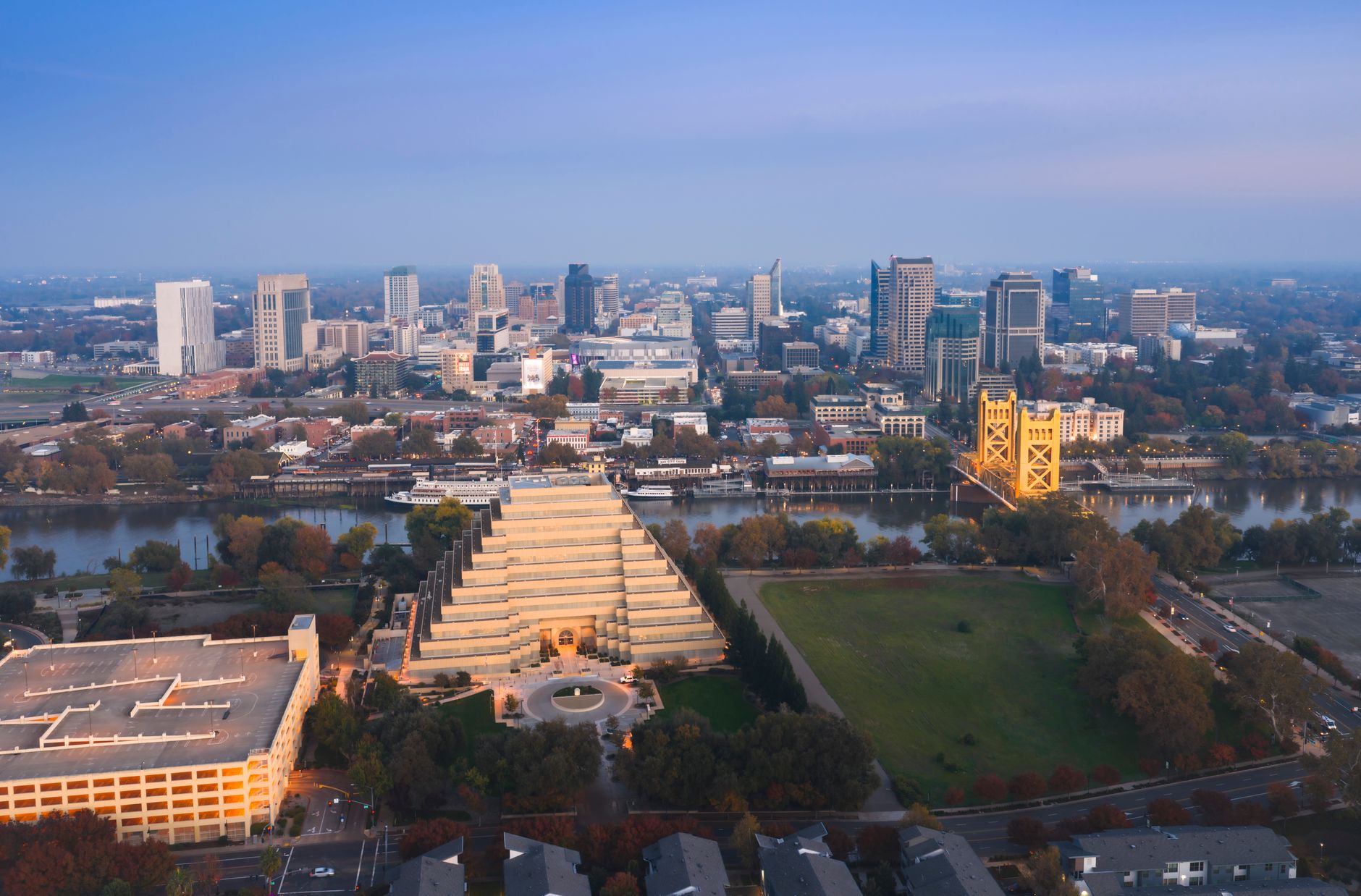
Between December 2025 and February 2026, exactly 9,400 more people moved into Sacramento than moved out—making California's oft-overlooked capital the single most popular migration destination in the entire United States. Not Phoenix. Not Nashville. Not any of Florida's endless parade of golf-course suburbs. Sacramento.
Let that settle for a moment. The same state that supposedly everyone is fleeing just produced the country's hottest inbound market. The same California that U-Haul shortage memes made famous, that talk radio hosts cite as proof of blue-state collapse, that lost 54,000 residents statewide between January 2025 and January 2026—that California has a metro area people are actively racing toward.
The cognitive dissonance is intentional. Because California isn't experiencing an exodus so much as a geographic reorganization, and Sacramento is collecting the receipts.
Redfin's latest migration data tells a story the coastal media establishment finds uncomfortable. While San Francisco's population drain continues unabated—working-class residents pushed toward Stockton, Modesto, and the Central Valley exurbs—Sacramento has quietly positioned itself as the state's release valve. The median home price in Natomas hovers around $540,000. In Elk Grove, you can still find four-bedroom builds from the mid-2010s under $600,000. Compare that to San Jose's $1.4 million median or San Francisco's $1.2 million, and the math explains itself.
But here's what the data doesn't capture: who exactly is arriving. According to Atlas Van Lines' 2026 mobility report, long-distance moves are no longer primarily job-driven. The motivations have shifted toward lifestyle, affordability, and family proximity. Translation: remote workers who locked in Bay Area salaries between 2020 and 2023 are finally cashing out their geographic arbitrage. They're buying in Land Park. They're renovating Craftsmans in Curtis Park. They're discovering that a $180,000 household income goes embarrassingly far when your mortgage is $3,200 instead of $6,800.
Meanwhile, the outbound California story is real—just not in the way cable news presents it. The Los Angeles Times documented it plainly in January: this isn't just billionaires relocating to tax-free Nevada or Texas. It's regular people renting U-Hauls, families who did the spreadsheet math on Austin or Nashville and decided the cultural loss was worth the financial gain. Thousands leave Los Angeles County every year, and the pattern has calcified into permanence.
But the departure narrative obscures something crucial: California's population decline isn't primarily about domestic flight. It's about the collapse of international immigration. Net international migration to the U.S. peaked at 2.7 million in 2024. By mid-2025, that number had cratered to 1.3 million—a direct consequence of federal policy shifts that have choked the pipeline of skilled workers, students, and family reunification cases that historically kept California's population growing despite its brutal housing costs.
The state lost roughly 54,000 people last year. But if immigration had held at 2024 levels, California would likely be gaining population again. The math is that fragile.
So what does this mean for prices? In Sacramento, the influx is already tightening inventory. Homes in the 95816 ZIP code—East Sacramento's tree-lined grid of Tudor revivals and Spanish colonials—are averaging twelve days on market. Midtown's condo supply, once considered overbuilt, has absorbed entirely. The arrival of Bay Area equity refugees has compressed Sacramento's price discovery in ways that will take years to fully register.
In Los Angeles and San Francisco, the outflow provides strange relief. Fewer bidding wars. Slightly longer days on market. A faint cooling that sellers interpret as catastrophe and buyers interpret as opportunity. But the fundamentals haven't cracked—construction permits remain anemic, NIMBY resistance persists, and the entitled homeownership rate for millennials continues its grim decline.
The California everyone argues about—the one people are leaving, the one people are arriving to—doesn't exist as a single entity anymore. There's coastal California, still pricing out the middle class with mechanical efficiency. There's inland California, absorbing that middle class and transforming in the process. And there's Sacramento, suddenly America's most improbable boomtown, collecting remote workers like a net beneath a burning trapeze.
The state isn't dying. It's bifurcating. And the winners are the ones who figured out they could keep California's weather, culture, and airport access while abandoning its most punishing ZIP codes. Sacramento's net inflow of 9,400 people in three months isn't a fluke. It's the first chapter of a story where California's capital becomes its most important city—not politically, but economically. The Bay Area spent decades treating Sacramento as a punchline. The punchline just became the destination.
Ecomstation.ai