Sacramento Just Became America's Most Wanted City — And Nobody in the Bay Area Saw It Coming
Khushboo Siddhiwala
Jun 20, 2026 · 4 min read
Story
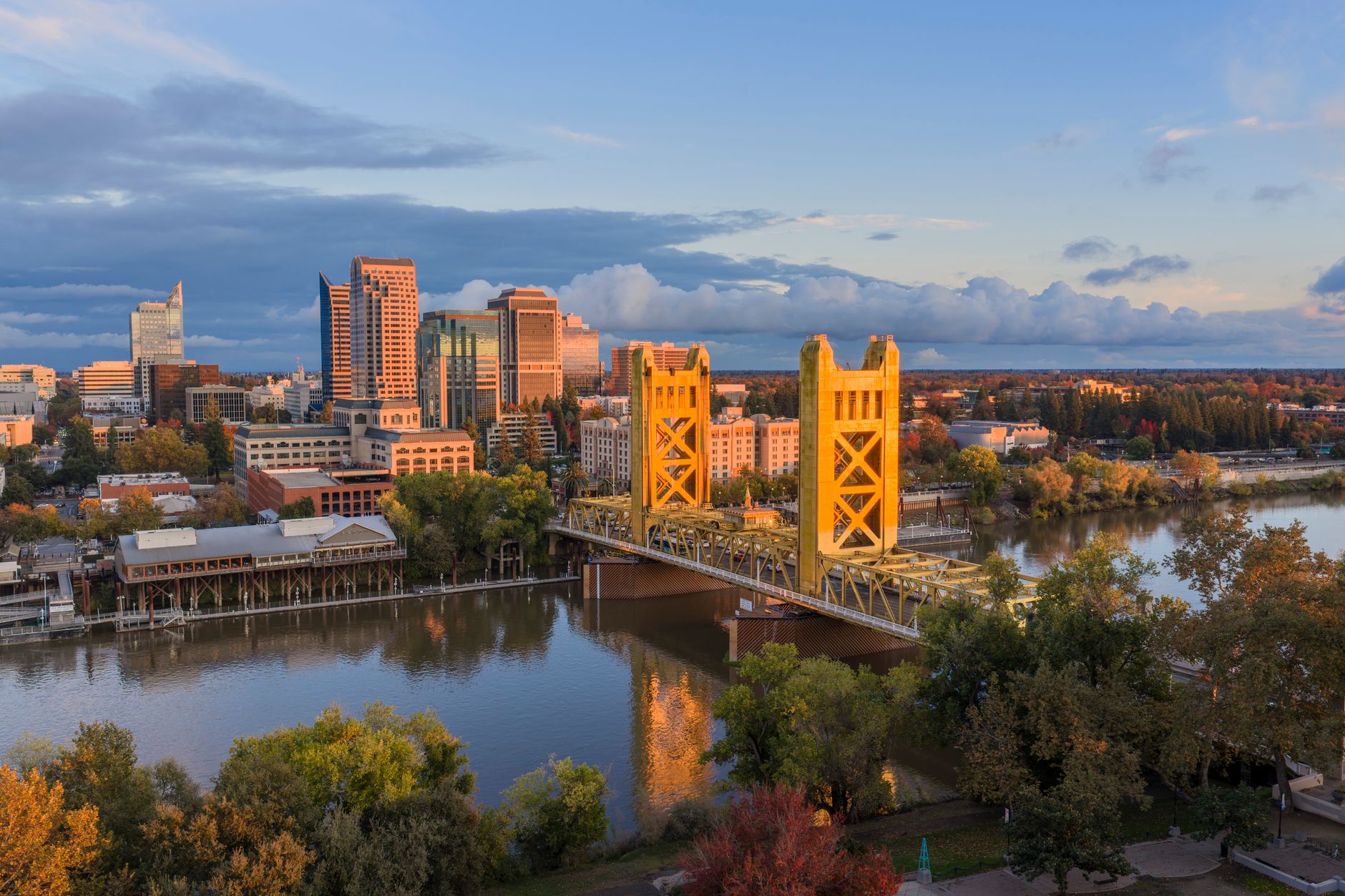
Sacramento logged 9,400 net inbound movers between December 2025 and February 2026, making it the single most sought-after metro in the entire United States — ahead of Phoenix, ahead of Nashville, ahead of every Florida beach town that brokers have been breathlessly promoting for years. Meanwhile, sixty miles west, San Francisco watched pending sales crater 20.6 percent year over year, with Oakland trailing just behind at negative 20.5 percent. San Jose, the tech fortress that once seemed immune to gravity, saw pending sales drop 17.8 percent even as new listings surged 23.9 percent. The numbers tell a story that no amount of venture capital optimism can rewrite: California's coastal premium is facing its most serious challenge in a generation, and the winner is a city most Bay Area residents still dismiss as a government town with good Mexican food.
The statewide picture confirms the fracture. California's average home value now sits at $775,550 according to Zillow's May 2026 index, down 0.8 percent over the past year — a modest decline that masks violent regional divergence. Homes go pending in roughly 17 days statewide, but that speed varies wildly depending on which side of the Altamont Pass you're shopping. In Sacramento, properties move with urgency. In San Francisco, they linger while sellers negotiate with their own expectations.
What happened? The wildfires explain part of it. Redfin's analysts note that Los Angeles agents are watching clients abandon the hills surrounding Malibu and the Pacific Palisades — or simply never return to places like Altadena after the 2025 devastation — in favor of flat coastal neighborhoods like Santa Monica or moving inland entirely. But fire risk alone doesn't account for Sacramento's ascent. This is something deeper, a recalibration of what California living actually means when remote work policies have calcified into permanent arrangements and a three-bedroom in Midtown Sacramento costs less than a one-bedroom in Hayes Valley.
The competition numbers reveal the psychological shift. Only 36.3 percent of California offers faced competition in May 2026, according to Redfin — a figure that would have seemed impossibly low during the pandemic frenzy. Buyers have leverage they haven't enjoyed in years, yet they're exercising that leverage selectively, clustering into markets that offer lifestyle density without lifestyle pricing. Sacramento delivers craft cocktails, farm-to-fork dining, and genuine urban fabric at prices that let buyers actually furnish their homes after closing. The Bay Area delivers prestige and proximity to companies that keep announcing layoffs.
The rental market adds another layer to the story. Multifamily rents are projected to increase just 1 percent year over year by December 2026, with single-family rents rising only 2 percent. Vacancy rates remain elevated, and multifamily supply keeps delivering units into markets that can't absorb them fast enough. For investors who bought California apartment buildings expecting perpetual rent escalation, the math has turned unforgiving. For tenants, the breathing room is real but modest — enough to stay put, not enough to save for a down payment in any coastal zip code that matters.
Redfin's broader survey of market mood captures the tension perfectly: buyers are cautious, sellers are showing up, and agents see signs of a busier spring ahead. That optimism feels earned in Sacramento, where the inbound migration wave creates genuine demand. It feels aspirational in San Jose, where a 23.9 percent surge in new listings meeting a 17.8 percent drop in pending sales describes a market where sellers have blinked first.
The implications ripple outward in ways that will reshape California's political and cultural geography for decades. Sacramento isn't just gaining residents; it's gaining the specific residents who build neighborhoods — young families, first-time buyers, people who join school boards and open coffee shops and complain about parking. The Bay Area isn't just losing transactions; it's losing the human texture that makes density feel like community rather than competition.
California real estate has always been a story about desire — the desire for weather, for reinvention, for proximity to whatever the culture decided mattered most. For generations, that desire pointed toward the coast. The June 2026 data suggests something else entirely: that Californians have finally decided they'd rather own their lives than rent their dreams. Sacramento, improbably, is where that ownership now begins.
Ecomstation.ai