Sacramento Just Became America's Most Wanted City—And Nobody in the Bay Area Saw It Coming
Khushboo Siddhiwala
Jun 27, 2026 · 3 min read
Story
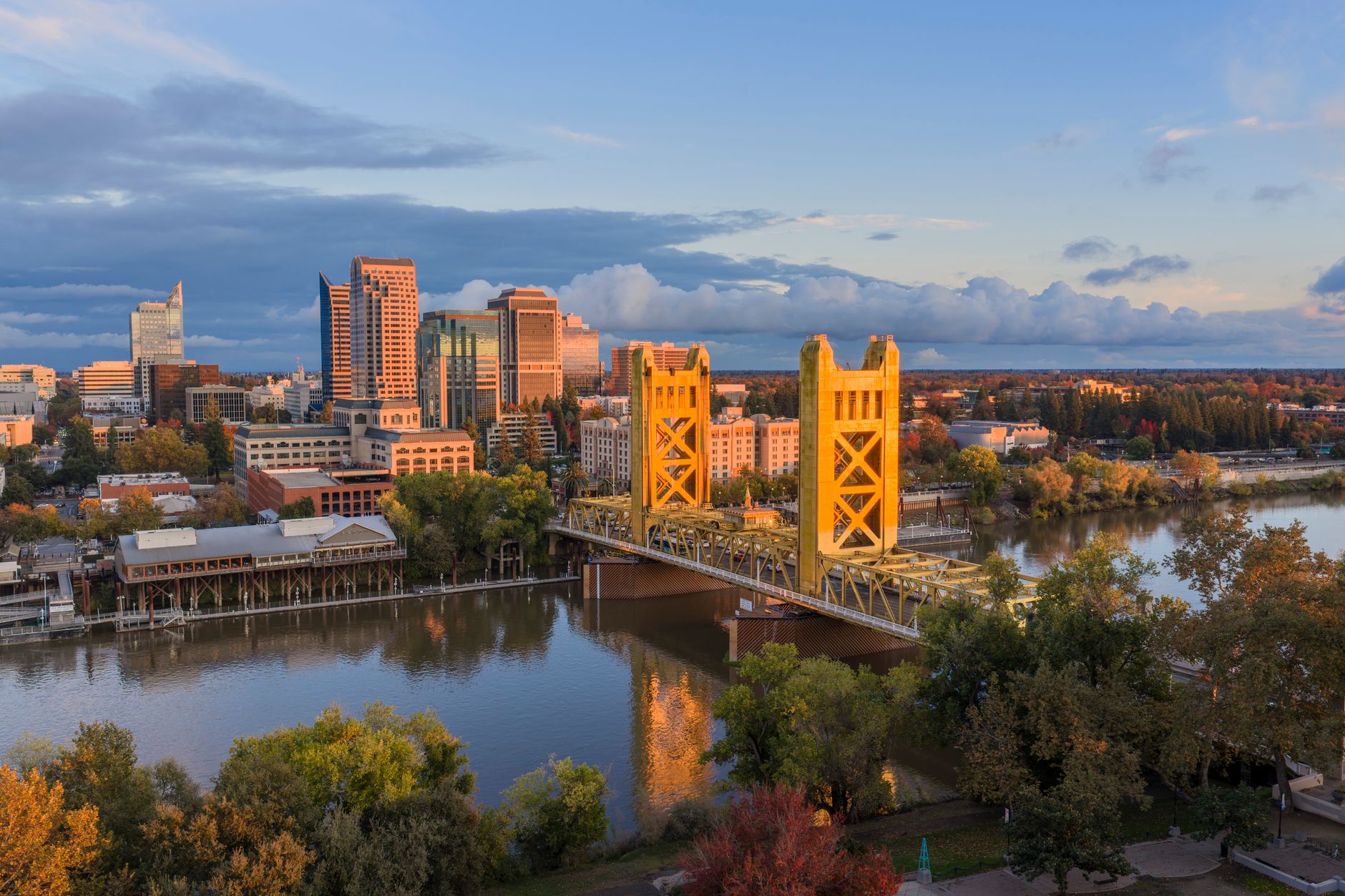
Between December 2025 and February 2026, exactly 9,400 more people moved to Sacramento than left it—making California's capital the single most popular domestic migration destination in the entire United States. Not Phoenix. Not Nashville. Not any of the Florida metros that have dominated relocation headlines for years. Sacramento.
This is the kind of data point that should make every coastal Californian pause their Saturday morning coffee scroll. Because while San Francisco watched pending sales crater 20.6 percent and Oakland matched it at 20.5 percent—the worst declines of any major metros in the country—the city two hours east was quietly absorbing the human capital that used to dream of Victorian flats in Noe Valley or Craftsman bungalows in Rockridge.
The numbers tell a story of profound recalibration. California's statewide median home value now sits at $775,550, down 0.8 percent over the past year according to Zillow's most recent assessment. Homes are moving to pending status in roughly 17 days, suggesting the market hasn't frozen—it's just redistributing. The question is: redistributing to where, and for whom?
Sacramento answers both. At a median price hovering around $520,000—nearly $300,000 below the Bay Area's entry point—the capital offers something that San Francisco and San Jose have systematically eliminated from their housing vocabulary: possibility. A dual-income couple making $180,000 combined can actually buy a three-bedroom home in Natomas or Elk Grove without spending 55 percent of their take-home pay on a mortgage. That math simply doesn't exist in the coastal metros anymore.
But here's where the narrative gets complicated. San Jose—the same San Jose that saw pending sales plummet 17.8 percent—simultaneously posted a 23.9 percent surge in new listings. That's the highest inventory increase of any major metro in the nation. Sellers are showing up in Silicon Valley. Buyers are not. The disconnect suggests something more structural than seasonal hesitation: a fundamental repricing of what proximity to tech headquarters is actually worth in an era of distributed work and AI-augmented productivity.
Redfin's analysis points to what they're calling "The Great Housing Reset," and California is its laboratory. The state's 36.3 percent competitiveness score—meaning roughly a third of offers face multiple bids—masks enormous regional variation. Sacramento is hot. The Bay Area is cooling. Los Angeles remains in a category of its own, still processing the psychological and physical aftermath of the 2025 wildfires that displaced thousands from Pacific Palisades and Altadena.
That trauma is reshaping Los Angeles geography in real time. Redfin agents report clients actively avoiding hillside properties in fire-prone areas, redirecting their searches toward flat coastal neighborhoods like Santa Monica and Marina del Rey. The premium for perceived safety now rivals the premium for ocean views. Insurance availability—or the lack thereof—has become the invisible hand guiding purchase decisions in ways that would have seemed absurd five years ago.
Meanwhile, the rental market offers its own signals. Multifamily rents are projected to rise just 1 percent statewide through December, with single-family rentals climbing 2 percent. These modest increases reflect elevated vacancy rates and a steady pipeline of new apartment deliveries—particularly in Los Angeles and the Inland Empire—that have given renters something they haven't had in years: leverage.
The deeper truth embedded in Sacramento's migration dominance is this: California isn't dying, despite what the Texas real estate industrial complex wants you to believe. It's decentralizing. The state is finally, belatedly, developing the kind of polycentric urban structure that planners have advocated for decades. Sacramento gets the remote workers who still want California weather and voting patterns without California coastal prices. The Bay Area keeps the venture capitalists and the stubborn urbanists. Los Angeles continues its eternal negotiation between ambition and infrastructure.
What we're witnessing isn't a housing market in the traditional sense. It's a massive, slow-motion sorting algorithm, and Sacramento just moved to the top of the results page. The city that spent generations as the place you drove through on your way to Tahoe has become the place people are driving toward. Sometimes the most radical disruption isn't a new technology or a policy change—it's simply discovering that the answer was two hours inland the whole time.
Ecomstation.ai