Sacramento Just Became America's Most Wanted ZIP Code—And Nobody in the Bay Area Saw It Coming
Khushboo Siddhiwala
Jun 22, 2026 · 4 min read
Story
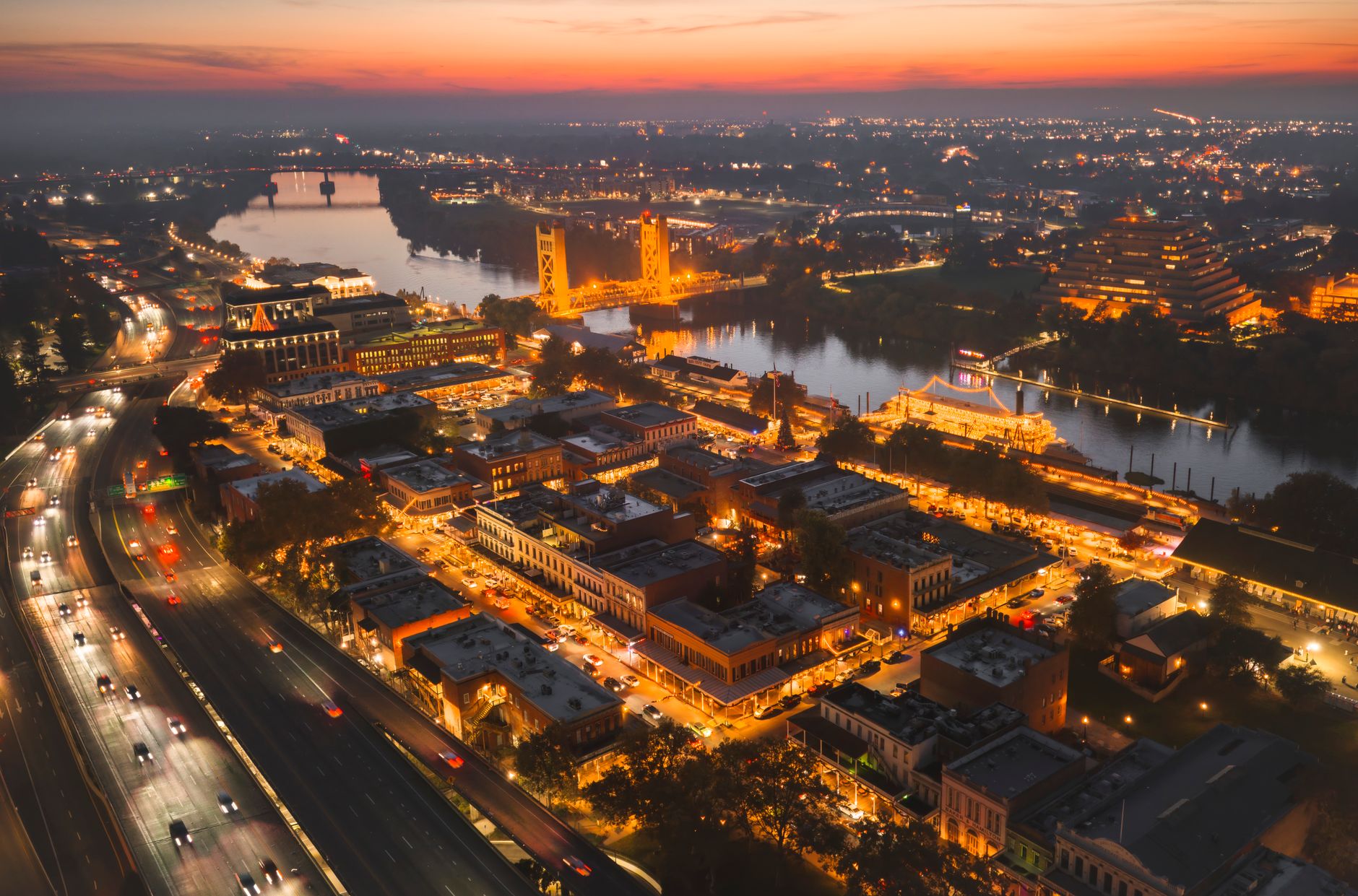
Between December 2025 and February 2026, exactly 9,400 households packed their lives into moving trucks and drove toward Sacramento—more than any other metro in the United States. Not Phoenix. Not Nashville. Not the Florida sunbelt cities that dominated relocation headlines for years. Sacramento, California, the state capital that coastal elites have long dismissed as a government town with strip malls and brutal summers, is now officially where America wants to live.
The numbers tell a story that should make every San Francisco homeowner uncomfortable. While the Bay Area hemorrhages residents—835 left for Los Angeles in the final quarter of 2025 alone—Sacramento has become the pressure-release valve for a generation of Californians who refuse to leave the state but can no longer stomach seven-figure mortgages for 1,200 square feet. The median home price in Midtown Sacramento hovers around $485,000. In San Francisco's Mission District, that buys you a parking space and a dream.
What makes this migration data so striking isn't the volume—it's the composition. These aren't retirees cashing out. They're remote workers from Google and Meta who discovered that their employer doesn't care whether they take Zoom calls from a renovated Victorian in Elk Grove or a cramped apartment in South of Market. They're young families who ran the numbers and realized a four-bedroom home in Land Park costs less than a two-bedroom condo in Oakland's Rockridge. They're restaurant owners and boutique retailers who saw Sacramento's emerging food scene and recognized opportunity in a city still hungry for what San Francisco has too much of.
San Diego tells a parallel story, though with a different accent. The city absorbed 4,953 households from Los Angeles in the same October-December 2025 window, making LA-to-SD the single largest intra-California migration corridor. Add another 1,294 from San Francisco and you begin to see a pattern: Californians aren't leaving California. They're leaving specific Californias—the ones where a household income of $200,000 qualifies as struggling.
This reshuffling reveals a truth that economists have whispered for years but policymakers have refused to acknowledge: California's housing crisis isn't a supply problem that will be solved by building. It's a geography problem that's solving itself through exodus. The Bay Area's AI-fueled housing surge, which drove double-digit sales increases in May according to Redfin's latest data, only accelerates the sorting. Every new OpenAI engineer bidding $300,000 over asking in Palo Alto creates two more Sacramento converts.
San Francisco's inbound migration data reads like a fever dream. The city's top source of new residents between October and December 2025 was Knoxville, Tennessee—1,665 households making the unlikely pilgrimage from the Smoky Mountains to the fog. Honolulu sent 799. Santa Barbara contributed 628. These are people chasing something San Francisco still possesses despite its struggles: proximity to capital, talent, and the specific alchemy that turns startups into empires. They're betting that the AI boom will shower wealth on the city one more time.
But here's what that bet misses: San Francisco's inbound migrants are replacing outbound Californians, not adding to the population. The city is becoming more transient, more dependent on boom cycles, more vulnerable to the inevitable bust. Sacramento, by contrast, is building something stickier—a genuine community of California refugees who bought homes they can actually afford, put their kids in schools with parking lots instead of sidewalk drop-offs, and discovered that the Farm-to-Fork capital actually has better produce than Ferry Plaza.
The real estate implications cascade outward. Sacramento's Natomas neighborhood, once dismissed as flood-prone suburban sprawl, now sees bidding wars on new construction. East Sacramento's tree-lined streets command premiums that would have seemed absurd five years ago. Meanwhile, San Francisco's outer Sunset struggles to move inventory, and Oakland's Fruitvale wonders why the long-promised gentrification wave never quite arrived.
Los Angeles sits awkwardly in the middle, simultaneously sending 4,953 households to San Diego while receiving 835 from San Francisco and 811 from Boston. The city has become a waystation—too expensive for middle-class stability, too sprawling for tech-worker walkability, too complicated for anyone seeking simplicity. People move there with ambition and leave with clarity about what they actually want.
The deeper truth embedded in these migration patterns is this: California is no longer a single housing market but a constellation of micro-economies, each serving a different income bracket and lifestyle aspiration. Sacramento has become the state's affordable middle—still California weather, still California produce, still California possibility, but without California prices. San Diego offers LA without the traffic. The Bay Area offers AI wealth and nothing else.
Those 9,400 Sacramento-bound households aren't fleeing California. They're finding the California that actually exists for people who work for a living—and they're doing it faster than any developer could build.
Ecomstation.ai