Sacramento Just Became America's Top Migration Magnet — And Nobody in San Francisco Wants to Admit Why
Khushboo Siddhiwala
Jun 24, 2026 · 3 min read
Story
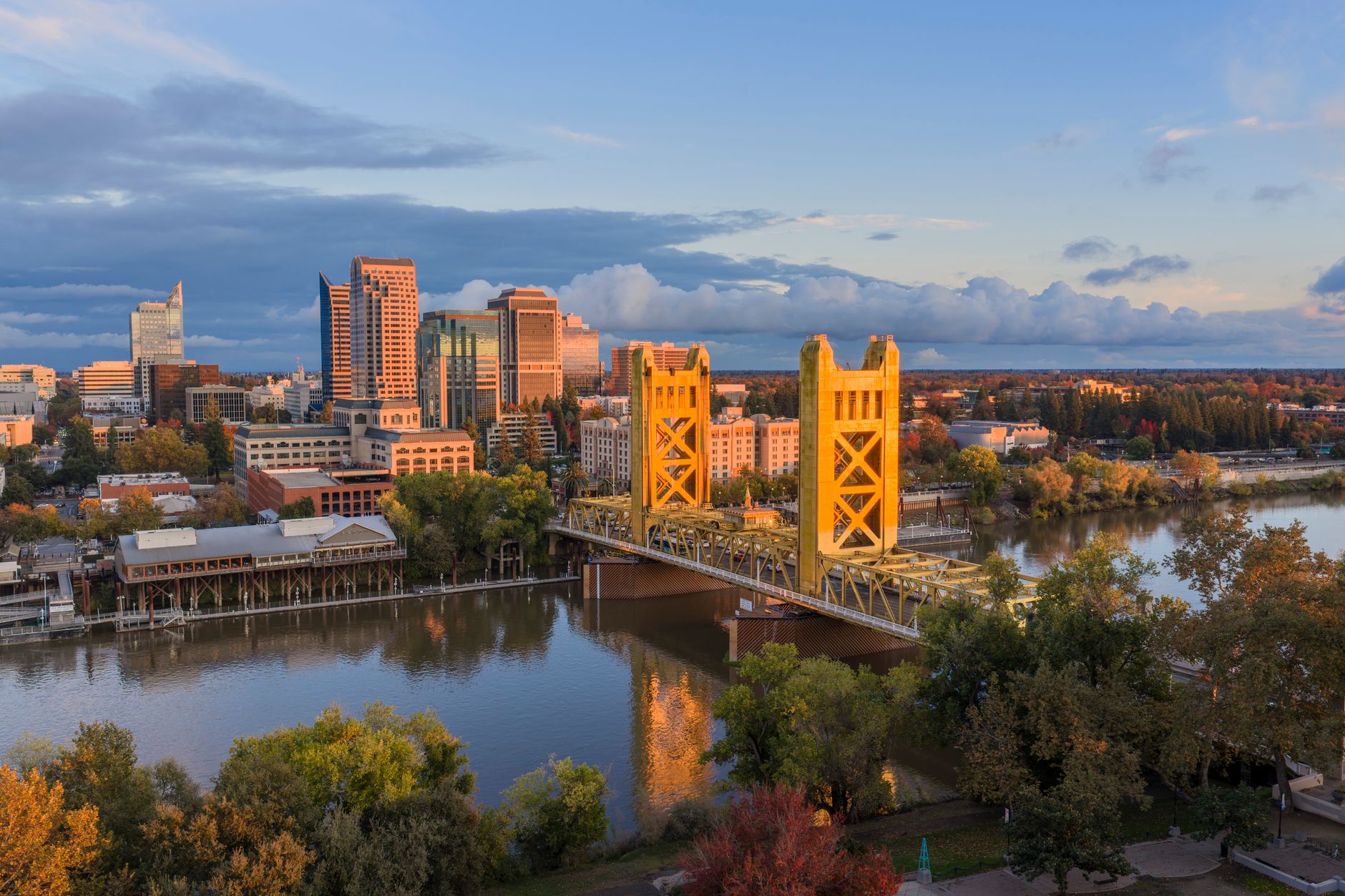
Between December 2025 and February 2026, Sacramento quietly accomplished something extraordinary: it attracted 9,400 net new residents, making it the single most popular destination for American movers — beating Phoenix, beating Nashville, beating every Florida beach town chasing the same dreamers. The state capital now sits atop Redfin's national migration rankings, a position that would have seemed absurd five years ago when everyone assumed California's story was purely about departure.
But here's what makes this genuinely strange. While Sacramento posts those numbers, California as a whole shed another 54,000 residents between January 2025 and January 2026, pushing the state population just under 39.6 million. The math doesn't reconcile until you understand what's actually happening: California isn't experiencing an exodus so much as a violent internal rearrangement, with the coasts hemorrhaging families toward the interior and the interior catching them like a net stretched across the Central Valley.
The U-Haul data tells the street-level version. Los Angeles remains one of the worst cities in America for one-way truck availability — too many people loading up, not enough bringing trucks back. San Diego and San Francisco emerged as the only California metros with net inflows of rental trucks, which sounds like good news until you realize it mostly reflects people arriving from elsewhere in California, not from Texas or Florida or anywhere that might signal renewed national faith in the Golden State.
What Sacramento offers is brutally simple: a median home price roughly half of what San Francisco demands, a forty-minute flight to LA when you need it, and enough state government jobs to anchor an economy that doesn't depend entirely on whether venture capital is feeling optimistic this quarter. The 9,400 people who chose it weren't chasing glamour. They were solving an equation that coastal California made unsolvable: How do you own a home, raise children, and still technically live in the state where your parents live?
This internal migration tells us something the headline numbers miss. California's population decline of 54,000 sounds dramatic until you consider the context: federal policy slashed international immigration so severely that net migration to the entire United States dropped from millions annually to a projected 321,000 in 2026, trending toward outright negative territory. California, which historically absorbed more immigrants than any other state, lost access to the human engine that powered its growth for decades. The 1.5 million decline in foreign-born population nationwide hit here hardest.
So the people moving to Sacramento aren't arriving from Vietnam or Guatemala or India — the traditional feeder communities that built California's modern economy. They're arriving from Oakland and San Jose and the neighborhoods around Culver City, priced out by the same forces that once priced out the generation before them. Atlas Van Lines confirms that long-distance moves are holding steady nationally, but the motivations have shifted entirely: not jobs anymore, but lifestyle, affordability, family proximity. People aren't chasing opportunity. They're retreating toward stability.
For California real estate, this creates a fascinating split market. Coastal prices remain elevated because the people who can afford them aren't going anywhere — remote work locked in their locations, and accumulated equity makes selling feel like surrender. But Sacramento, Fresno, Bakersfield, the entire I-5 corridor is experiencing something closer to genuine demand growth, the kind that actually builds communities rather than just inflating assets.
The question nobody wants to answer is whether this represents California's future or just its managed decline. If the coast continues losing families while the interior absorbs them, the state's political and economic center of gravity shifts east, toward cheaper land and different priorities. Sacramento's new residents aren't trying to become San Francisco. They gave up on that. They're trying to become Sacramento — and that's a more profound change than any population statistic can capture.
What looks like exodus might actually be evolution. California isn't emptying. It's reorganizing around what people can actually afford, which turns out to be everything the coastal dream promised it would never become.
Ecomstation.ai