Sacramento Just Became California's Most Wanted City — And San Francisco Can't Stop the Bleeding
Khushboo Siddhiwala
Jun 27, 2026 · 4 min read
Story
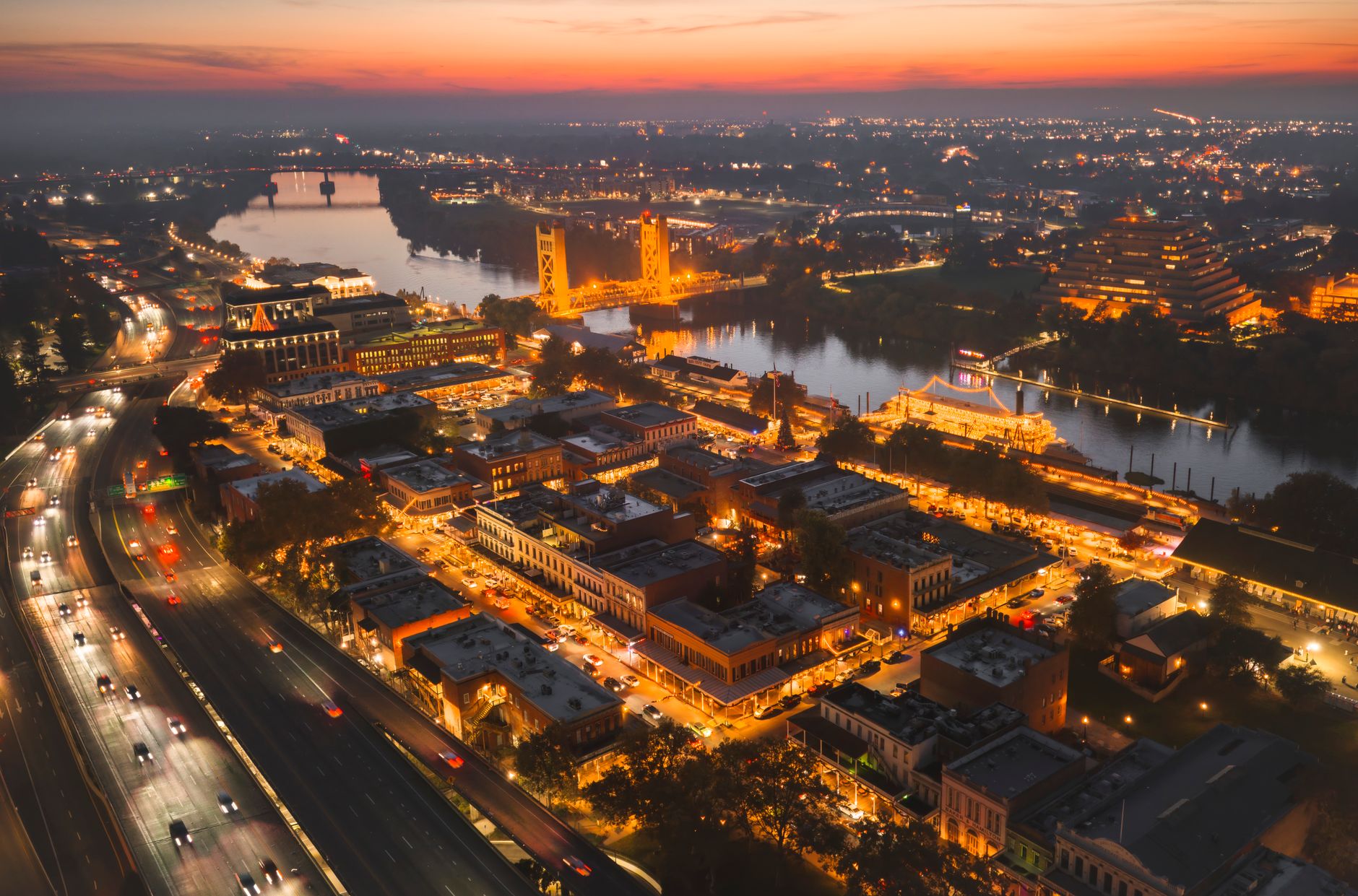
Between December 2025 and February 2026, exactly 9,400 more people moved into Sacramento than moved out — making California's capital the single most sought-after metro in the entire United States, beating Phoenix, Nashville, and every sun-soaked Florida beach town that spent the last decade collecting California refugees.
Let that land for a moment. Not Austin. Not Boise. Not any of the usual suspects who've dined out on California's dysfunction narrative. Sacramento — a city that Bay Area tech workers once dismissed as a purgatory of strip malls and summer heat — is now the country's migration champion.
The numbers tell a story of two Californias diverging at warp speed. While Sacramento welcomed nearly ten thousand net new residents in a single quarter, San Francisco's pending home sales collapsed by 20.6 percent year over year. Oakland fell in lockstep, down 20.5 percent. San Jose, the supposed heart of Silicon Valley's wealth engine, saw pending sales drop 17.8 percent even as new listings surged 23.9 percent — the highest inventory spike of any major metro in the nation.
Translation: Bay Area sellers are showing up, but buyers have left the building.
The statewide picture reflects this fracturing. California's average home value now sits at $775,550, down 0.8 percent over the past year according to Zillow's latest data through May 2026. Homes still move quickly — pending in around 17 days on average — but that speed masks a market running on institutional momentum rather than genuine demand. Only 36.3 percent of California markets qualified as competitive in May, meaning nearly two-thirds of the state has tilted decisively toward buyers for the first time in a generation.
What's driving Sacramento's unlikely coronation? Start with the obvious: a three-bedroom in Natomas still costs less than a one-bedroom in the Mission District. But price alone doesn't explain why Sacramento is outpacing metros with even cheaper housing and better weather. The deeper truth is that Sacramento offers something increasingly rare — proximity to California's remaining economic engines without requiring you to sacrifice your entire net worth at the altar of coastal real estate.
A state worker in downtown Sacramento can own a 2,400-square-foot home with a backyard and still drive to Tahoe in ninety minutes. A remote tech employee can maintain Bay Area clients while their mortgage payment stays under $3,000. That arithmetic used to feel like settling. Now it feels like winning.
The wildfires have accelerated this calculation in ways the market is only beginning to price. Redfin agents report that buyers are actively avoiding hillside properties in fire-prone zones — the Malibu canyons, the Pacific Palisades ridgelines, the Oakland hills that once commanded seven-figure premiums for their views. The smart money is moving to flat coastal neighborhoods like Santa Monica, or abandoning the risk calculus entirely for Sacramento's Central Valley geography, where the primary natural threat is a July afternoon that hits 108 degrees.
San Jose's inventory explosion deserves particular attention. A 23.9 percent surge in new listings signals that Silicon Valley homeowners have collectively decided this is their exit window. Whether they're cashing out before another tech correction, relocating to satellite offices in cheaper metros, or simply accepting that the pandemic-era remote work revolution permanently altered their need to live near a Cupertino campus, the result is the same: supply is flooding a market where demand has evaporated.
This isn't a correction. It's a reordering.
The buyers who remain active in California are behaving differently than any cohort in recent memory. They're cautious, rate-sensitive, and unwilling to waive contingencies the way their predecessors did in 2021's fever dream. Agents describe a mood of calculated patience — buyers who will wait six months for the right property rather than panic-bid on whatever hits the market first. In a state that spent a decade rewarding urgency, patience has become the new competitive advantage.
For Sacramento, this moment represents vindication and warning in equal measure. The city is absorbing California's internal refugees at a pace that will strain infrastructure, schools, and the very affordability that made it attractive. Every migration wave eventually prices out the next one.
But here's the insight that should keep Bay Area homeowners awake tonight: Sacramento didn't win because it became more like San Francisco. It won because people finally stopped believing they needed San Francisco at all. The prestige premium that coastal California charged for decades assumed buyers had no alternatives. Now they do — and they're choosing the capital city their parents would have called a consolation prize. Sometimes the market doesn't correct. Sometimes it just moves on.
Ecomstation.ai