Sacramento Just Cracked the Top 10 for Inbound Movers — While Los Angeles Bleeds U-Hauls to Phoenix
Khushboo Siddhiwala
Jul 1, 2026 · 4 min read
Story
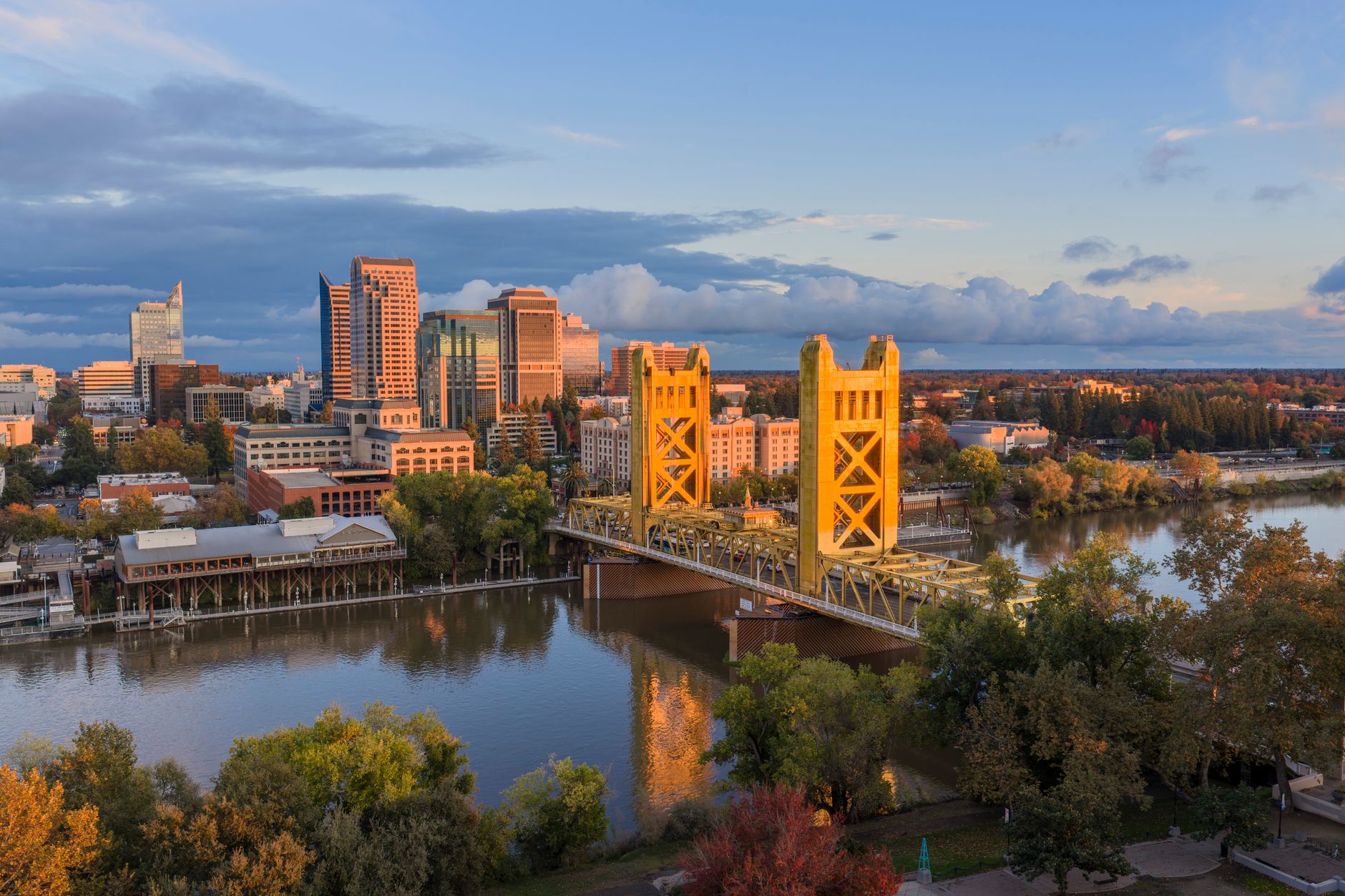
Sacramento posted a net inflow of 4,400 home searchers in the first quarter of 2026, landing it at number eight on Redfin's national list of metros attracting the most relocating buyers — the only California city to crack the top ten. Meanwhile, Los Angeles continued its grim march as a net exporter of residents, with one-way U-Haul rentals streaming toward Phoenix, Las Vegas, and Austin at rates that would have seemed absurd a decade ago.
This is not the same exodus story you've been hearing since 2020. This is something stranger, more bifurcated, and frankly more interesting: California is simultaneously losing and winning the migration war, depending entirely on which freeway you're standing beside.
The numbers tell a tale of two states operating under one flag. San Diego and San Francisco both recorded net inflows of one-way U-Haul customers, joining Sacramento as the rare California metros where more people are arriving than departing. But step outside these three islands of relative stability and the current reverses hard. The Central Valley, the Inland Empire, and especially Los Angeles County continue to export working families at a pace that should alarm anyone watching the state's economic engine.
What changed? The motivations behind American mobility have undergone a fundamental rewiring. According to Atlas Van Lines data, long-distance moves are no longer primarily job-driven — they're lifestyle-driven, affordability-driven, family-driven. People aren't chasing promotions to California anymore. They're chasing grandchildren to Tennessee. They're chasing three-bedroom houses they can actually afford to Arizona.
California's incoming migration, meanwhile, has hit a wall that few predicted would arrive so quickly. The foreign-born population declined by 1.5 million amid federal immigration policy shifts, and net international migration to the United States is projected to crater to just 321,000 people this year — down from 1.3 million the year before. The Census Bureau's projections are now trending toward something that seemed demographically impossible: negative net migration, where more people leave the country than arrive.
For a state that has historically relied on international arrivals to offset domestic departures, this represents an existential math problem. California has been running a demographic Ponzi scheme for decades — losing residents to Texas, Nevada, and Florida while replenishing with immigrants from Asia and Latin America. That equation no longer balances.
But Sacramento's emergence tells us something important about what California still offers. The state capital has become the release valve for Bay Area residents who want California weather, California politics, and California proximity to family — just without California coastal prices. A three-bedroom in Elk Grove still runs roughly half what the same house costs in Fremont. For remote workers priced out of San Jose, Sacramento represents the compromise that lets them stay in the state.
This internal migration pattern is reshaping Sacramento's character in real time. The median home price has climbed past $540,000, up from $485,000 just two years ago, as Bay Area refugees bid against each other for anything with a yard. The Pocket-Greenhaven neighborhood, once considered sleepy suburban territory, now attracts tech workers who discovered during the pandemic that a home office doesn't need to overlook the Golden Gate.
San Diego's inflow tells a different story — one of weather-seekers and retirees from colder states who still view California as aspirational, just not Los Angeles California. The city has benefited from being perceived as LA's mellower, more manageable cousin. San Francisco's modest inflow, meanwhile, suggests the city's tech exodus may have finally plateaued as AI companies cluster downtown and remote work policies tighten.
The price implications of this split migration are only beginning to surface. Markets like Sacramento will continue tightening as they absorb refugees from more expensive California metros. Los Angeles, conversely, faces the unusual prospect of price stagnation in neighborhoods that have never experienced it — not because demand collapsed, but because the replacement buyers aren't materializing at the rate they once did.
Florida absorbed a net inflow of 46,664 home searchers in Q1 alone. Arizona took in 17,599. California as a whole remains a net exporter. But Sacramento's presence on that top-ten list reveals something the doom narratives miss: California isn't dying. It's just reorganizing around the places that still make mathematical sense for people who haven't given up on the dream entirely.
The state's future may look less like Los Angeles and more like Sacramento — sprawling, car-dependent, affordable enough to keep families rooted. That's not the California of Hollywood imagination. But it might be the California that actually survives.
Ecomstation.ai