Sacramento's Surprising Influx: What Lies Beneath California's Housing Anomaly
Khushboo Siddhiwala
Jun 21, 2026 · 3 min read
Story
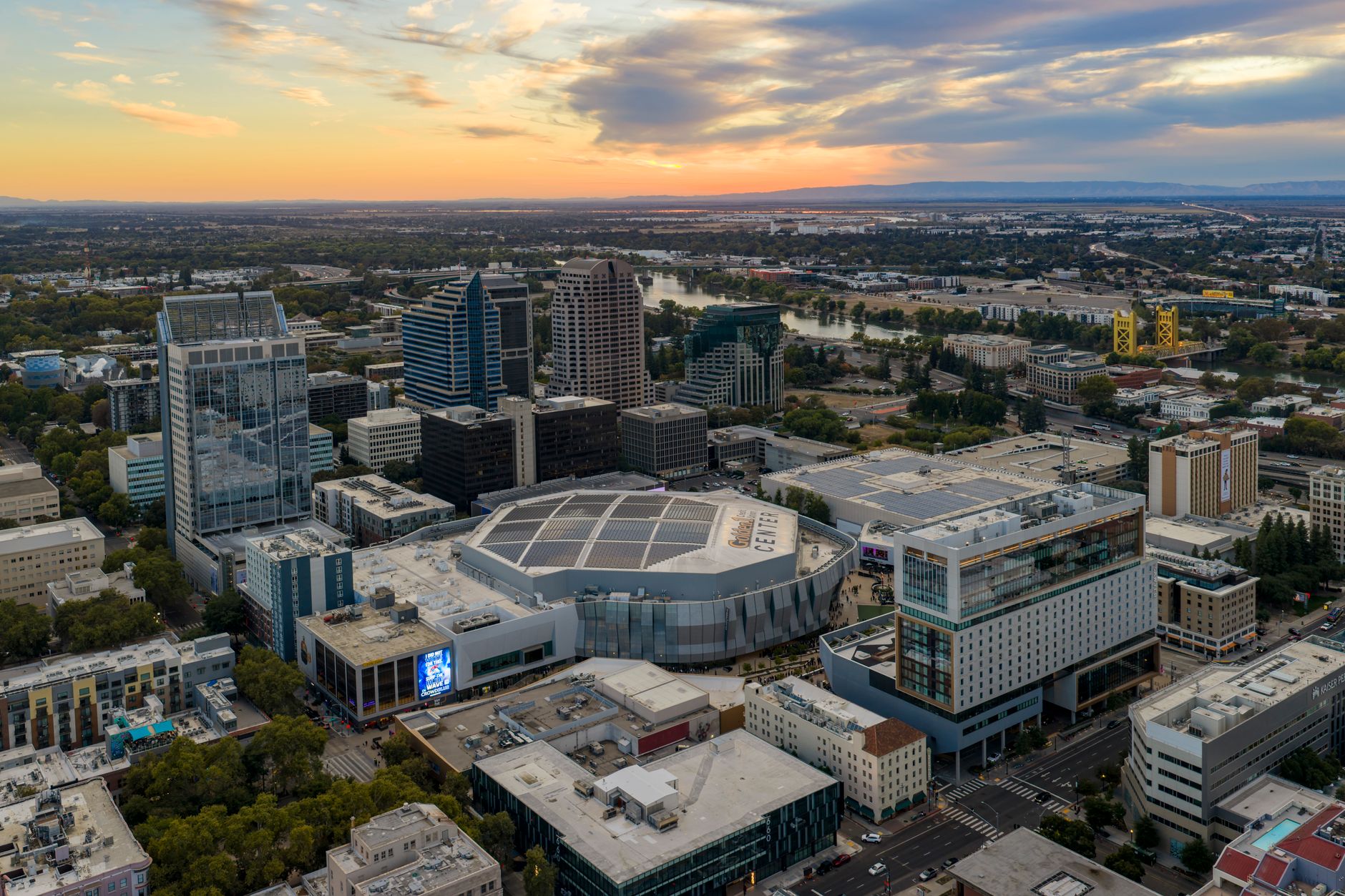
Forget the usual suspects. It's not Silicon Valley or LA making waves this week. Instead, it’s the once-quiet capital, Sacramento, grabbing headlines with a stunning net migration influx of 9,400 new residents over the last three months, according to Redfin's latest data. This surge places it far above other sunny retreats and tech hubs like Phoenix and Austin. It’s a silent ripple ignored by many, but crack the surface and significant seismic shifts emerge. As the sun set over Sacramento's Midtown neighborhood this Saturday, the whispers of transformation echoed louder than ever. Homes listed along J Street are seeing offers well over asking prices, erasing the once-thought regional affordability. Record-high median prices, now eclipsing $900,000 statewide, combine with unexpected ballooning adjustable-rate mortgage (ARM) applications, which rose 16% this past week alone, fortifying the storm clouds above. The culprit? A confluence of AI-driven job layoffs changing the fortunes of potentially thousands in the Bay Area, paired with unsustainable California mortgage payments averaging $2,700 a month. Yet, Sacramento’s appeal isn't solely economic flight. Its emergence as a refuge amid unraveling employment stability in other coastal cities has made it a magnet for families seeking steadier proximities without Silicon Valley's sky-high price tags. The substantial, unaccounted for migratory swell indicates undercurrents which, if unaddressed, threaten to reshape the state’s longer-term demographic and economic landscape significantly. The recent net inflow ties directly to constraints in affordability elsewhere, starting with Sacramento's rapidly tightening inventory, down approximately 5.6% over the year. Despite these far-from-encouraging indicators, glimmers of potential rest here too. San Francisco still exhibits microscopic vacancies, tipping its rental market in favor of would-be landlords. Meanwhile, the entry of ARM risk in Sacramento may be an opportunity for nimble investors ready to capitalize on initial rate expiring adjustments, provided they remain judicious of looming $1,900 rent shadows barred from buying. Unseen but sensed, the rumblings lead to a counterintuitive suggestion. Investors and potential buyers alike divert your gaze to Sacramento—its rise could be either an opportunity or an omen. Rediscover a city ripe with untapped potential outside the standard coastal chatter. The decision to act now or later could redefine portfolios and home frontiers forever. The verdict is clear: while no single strategy suffices for all, prospective buyers should consider knee-deep roots in Sacramento posthaste, before this anomaly morphs into a cemented trend.
Ecomstation.ai
