San Francisco Surge Signals Shift in California Real Estate Trends
Khushboo Siddhiwala
Jul 26, 2026 · 6 min read
Story
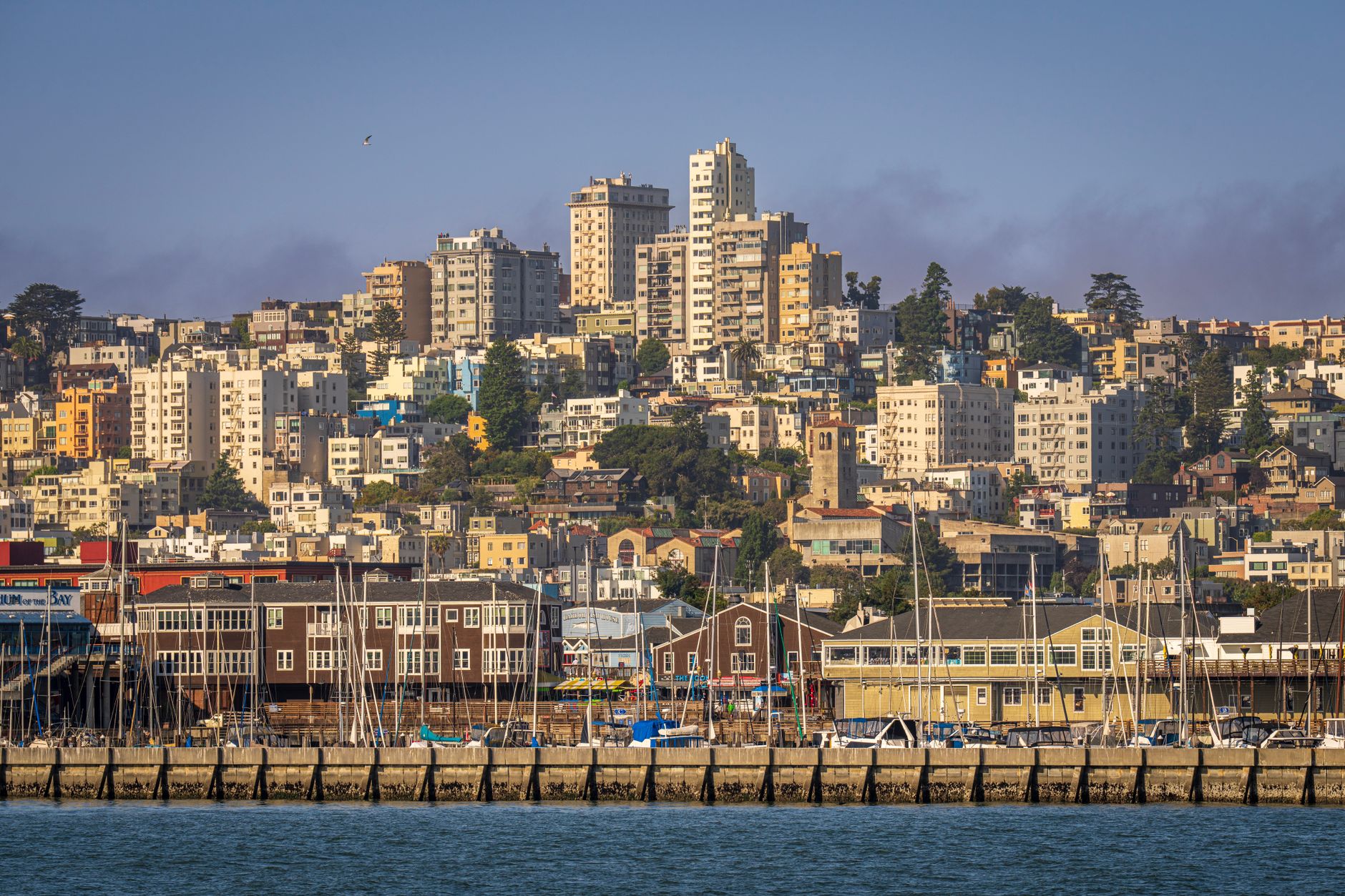
The median sale price of a home in San Francisco has officially climbed one million dollars above its housing-crash bottom, landing at a striking $1.625 million this July 2026. In the high-density alleys of South of Market and the Victorian-lined avenues of Pacific Heights, this milestone represents more than a symbolic recovery; it marks a dramatic pivot in how we analyze California real estate trends. While critics spent years predicting an irreversible exodus from the urban core, the reality on the ground tells a far more nuanced story of wealth concentration and resilient equity. Buyers who possessed the liquidity to acquire properties during the market's deepest troughs are now looking at seven-figure paper gains, while current hopefuls face a landscape defined by high borrow costs and strategic seller standoffs.
The Million-Dollar Bounce in the Bay Area
To understand the current trajectory of California real estate trends, one must look at the historical nadir of 2012, when San Francisco median home prices bottomed out at a modest $625,000. Fourteen years later, the city has clawed its way back through multiple tech cycles and a high-profile commercial real estate correction to reach its current heights. This recovery is not uniform across all ZIP codes. In the tech-heavy enclave of 94105, buyers aggressively compete for luxury condominiums, while residential pockets of the Richmond District (94121) see homes trading above asking prices within weeks. This localized pressure occurs as broader statewide inventory expands, exposing a growing divergence between coastal hubs and inland valleys.
Across northern California, particularly in the tech-centric corridors of San Jose and Oakland, new listings have experienced a notable uptick, yet buyer caution is rising faster than the seller's absolute need to liquidate. This has created a paradoxical environment where premium, turn-key properties command premium prices, while homes requiring minor updates linger on the market, eventually forcing subtle price cuts. Bidding wars have subsided, replaced by a calculated transactional environment where contingencies are back on the table and inspections are no longer waved off as minor inconveniences.
Southern California Under the World Cup Microscope
Further south, the narrative shifts from tech-wealth recovery to massive infrastructural anticipation as Los Angeles prepares for its close-up. With the FIFA World Cup 2026 matches officially scheduled for SoFi Stadium in Inglewood, local real estate markets are experiencing an intense wave of speculative investment and short-term rental positioning. In the surrounding neighborhoods of Hawthorne (90250) and El Segundo (90245), property owners are transforming traditional long-term rentals into sophisticated guest suites, anticipating an unprecedented influx of international visitors. This logistical gold rush is driving a micro-boom in residential acquisitions within a five-mile radius of the stadium, where investors are willingly paying premiums for multi-family assets optimized for transient occupancy.
This localized frenzy stands in sharp contrast to the broader Los Angeles housing market, which has exhibited a cooler, more competitive equilibrium over the early summer months. The median sale price of a home in the city of Los Angeles has settled around $1.0 million, representing a minor year-over-year decline of 0.72 percent. Homes are spending an average of 48 days on the market, a far cry from the lightning-fast sales seen during the peak of the pandemic boom. Yet, the upcoming sporting spectacles, culminating in the LA 2028 Olympics, have injected a permanent floor under local valuations. Savvy buyers recognize that any temporary dip in southern California real estate values represents a window of opportunity before global eyes focus entirely on the basin.
The Suburban Hesitation and Inventory Build
While the urban cores of San Francisco and Los Angeles capture the headlines, the suburban and resort markets of the state are charting an entirely different course. According to recent Zillow data, the average California home value now stands at $775,549, down a slight 0.4 percent over the past twelve months. This stabilization is highly visible in regions like Palm Springs (92262) and the master-planned communities of Orange County, where the frantic pace of the last few years has slowed to a measured walk. In Newport Beach (92660), luxury properties are sitting on the market slightly longer as affluent buyers exercise patience, refusing to chase escalating prices when alternative investment yields remain competitive.
This cooling trend is heavily influenced by a statewide increase in for-sale inventory, a phenomenon that has become a cornerstone of current California real estate trends. Many sellers, locked into historically low mortgage rates from the previous decade, choose to hold onto their properties unless lifestyle changes demand a move. Consequently, the inventory that does enter the market is met with a discerning eye. Buyers are no longer rushing to sign contracts out of fear of missing out; instead, they take an average of 19 days to go pending statewide, carefully calculating the long-term carry costs of these high-value assets.
The era of reckless overbidding has yielded to a disciplined market where buyers demand perfection before committing their capital.
This shift in buyer psychology is reshaping suburban dynamics, forcing sellers to adjust their expectations and presentation standards if they hope to secure a premium deal.
Shifting Leverage in the Golden State
As we navigate the latter half of 2026, the power dynamic between buyers and sellers is undergoing a profound recalibration. In historical hotbeds like San Diego (92101) and Sacramento (95814), the traditional summer surge has been replaced by a highly transactional, business-like environment. The current state of California real estate trends indicates that while home prices remain historically elevated, the velocity of the market has permanently downshifted. This deceleration is actually healthy, providing a much-needed cooling-off period that prevents the formation of a dangerous pricing bubble while allowing incomes to slowly catch up with housing costs.
For active participants in the market, strategy has shifted from speed to precision. Sellers who recognize this new paradigm price realistically from day one, avoiding the stigmatizing cycle of price drops. Meanwhile, buyers use this breathing room to conduct thorough due diligence, negotiate repairs, and structure creative financing. California remains highly desirable, but the days of easy, unearned appreciation are over. Wealth generation now requires a keen eye for neighborhood-specific micro-trends, an understanding of upcoming infrastructure like transit expansions in Los Angeles, and the patience to wait for the right valuation. Ultimately, the real story of this market is about the quiet institutionalization of California's residential land, where those who own build fortresses of equity, and those who do not pay for proximity to the state's cultural and economic engines.
Frequently Asked Questions
Is the California housing market crashing in 2026? No, the market is not crashing; rather, it is experiencing a healthy stabilization. While the average California home value is down slightly by 0.4 percent year-over-year to $775,549, high demand in coastal urban centers like San Francisco and systemic inventory constraints continue to support elevated property valuations across the state.
How are the upcoming major sporting events impacting real estate in Los Angeles? The upcoming FIFA World Cup 2026 and the LA 2028 Olympics are driving significant localized investment in neighborhoods surrounding SoFi Stadium, such as Inglewood, Hawthorne, and El Segundo. Investors are actively purchasing residential properties to convert into short-term rentals and premium guest suites to capitalize on the massive influx of international visitors.
Is now a good time to buy a home in San Francisco? Buying in San Francisco currently requires a highly strategic approach. While median home prices have rebounded dramatically from their post-crash lows, the market has transitioned to a more transactional environment where buyers have more room to negotiate contingencies and inspect properties, provided they target homes that need slight cosmetic updates.
Ecomstation.ai