San Francisco's Record Sale Prices Are a Mirage — And That's the Most Honest Thing About This Market
Khushboo Siddhiwala
Jul 4, 2026 · 4 min read
Story
Somewhere in Pacific Heights this week, a three-bedroom Victorian closed at $4.2 million, pushing San Francisco's median sale price to yet another record. The champagne corks popped. The listing agent updated her Instagram. And buried in the data was a truth that should make every California buyer pause: the typical home value in that same city hasn't actually recovered to its 2022 peak.
This is the great optical illusion of California real estate in July 2026, and it's playing out from the Marina to Malibu to the hills above San Diego's North Park. Record median sale prices. Stagnant underlying values. The gap between those two numbers tells you everything about who's still buying and who gave up months ago.
Zillow's latest national figures show a typical home value of $368,720, up a modest 0.8% year over year. That's the slowest appreciation since the post-pandemic correction began. Meanwhile, actual sales volume dropped 2.9% compared to last year — 341,929 homes changing hands nationally in May, a number that feels almost quaint compared to the frenzy years. The mortgage payment on that typical home sits at $1,861 monthly, which sounds manageable until you remember that figure assumes a 20% down payment most first-time buyers don't have.
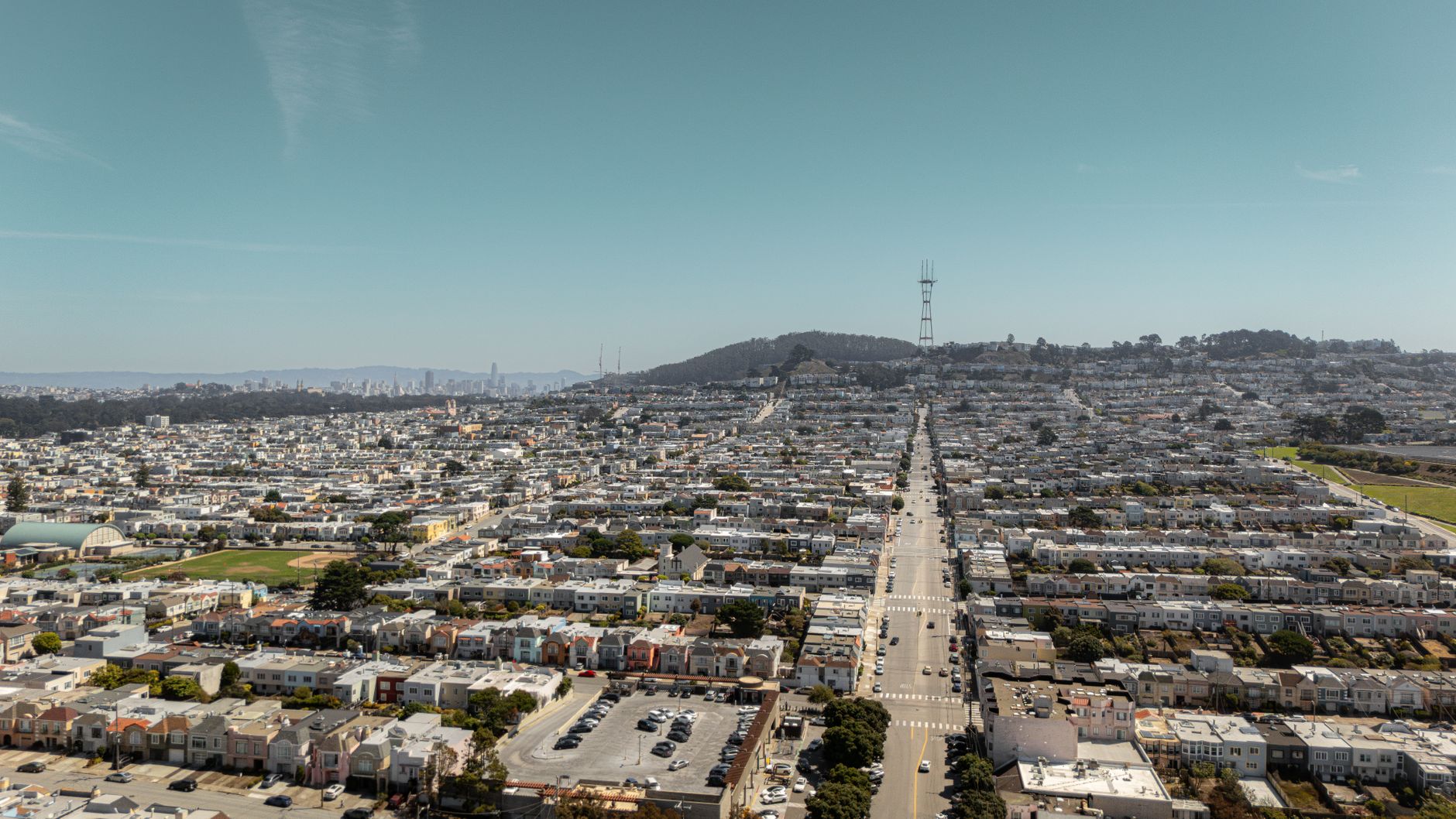
But California, as always, operates on its own physics. In San Francisco specifically, the Chronicle reports that homes are selling for record amounts even as true valuations remain below their peaks. The explanation is brutally simple: inventory has collapsed so completely that only the pristine, the perfect, and the premium are trading. That bias skews the median upward while hiding the uncomfortable reality that your neighbor's fixer-upper condo might actually be worth less than it was four years ago.
The luxury segment has become its own ecosystem. Real estate agents in San Francisco report struggling to find enough high-end inventory for qualified buyers — a sentence that would have seemed absurd in 2019 but now defines the market's strange metabolism. When only $3 million homes are selling, the median looks spectacular. When everything below $1.5 million sits frozen, the median lies.
This bifurcation has spread across the state like morning fog rolling through the Golden Gate. In Orange County's coastal ZIP codes, the pattern holds: trophy properties in Newport Coast and Laguna Beach move within days while dated condos in Irvine linger for months. Sacramento's Land Park neighborhood shows similar dynamics, with renovated Craftsmans commanding premiums while the surrounding market softens. Even Palm Springs, that reliable refuge for LA money seeking desert minimalism, has split into haves and have-laters.
The rental market offers a parallel story. Multifamily rents are projected to rise just 1% by December, with single-family rentals slightly stronger at 2% growth. Those numbers reflect elevated vacancy rates and a flood of new apartment supply finally hitting the market — good news for renters, complicated news for the landlords who bought rental properties at 2022 valuations expecting 5% annual appreciation forever.
Here's what the weekly pulse actually reveals: California real estate hasn't crashed, hasn't recovered, hasn't normalized. It's simply stratified. The wealthy are trading properties among themselves at eye-popping numbers, generating headlines and record medians. Everyone else is frozen in place, unable to sell without taking a loss, unable to buy without a household income that starts with a two.
The market isn't cooling so much as calcifying. When only the top tier transacts, you don't get a correction — you get a museum. Prices stay high because only people who can afford high prices are buying. Inventory stays low because everyone else refuses to sell into weakness. And the median sale price climbs higher, a number that means less with each passing month.
Some will read this as bearish. It's not. It's simply honest. The California dream hasn't died — it's just become subscription-based, available only to those who locked in their rate years ago or those writing checks that don't require financing at all.
This Fourth of July weekend, as fireworks explode over the Bay and backyard barbecues fill patios from La Jolla to Los Gatos, the real estate market will do what it's done for eighteen months: wait. For rate cuts that keep not coming. For inventory that keeps not materializing. For a return to normal that may never arrive because this is normal now.
The record prices aren't the story. The silence beneath them is.
Ecomstation.ai