San Mateo Leads Surge: Where California AI Startup Funding Goes
Khushboo Siddhiwala
Oct 19, 2026 · 5 min read
Story
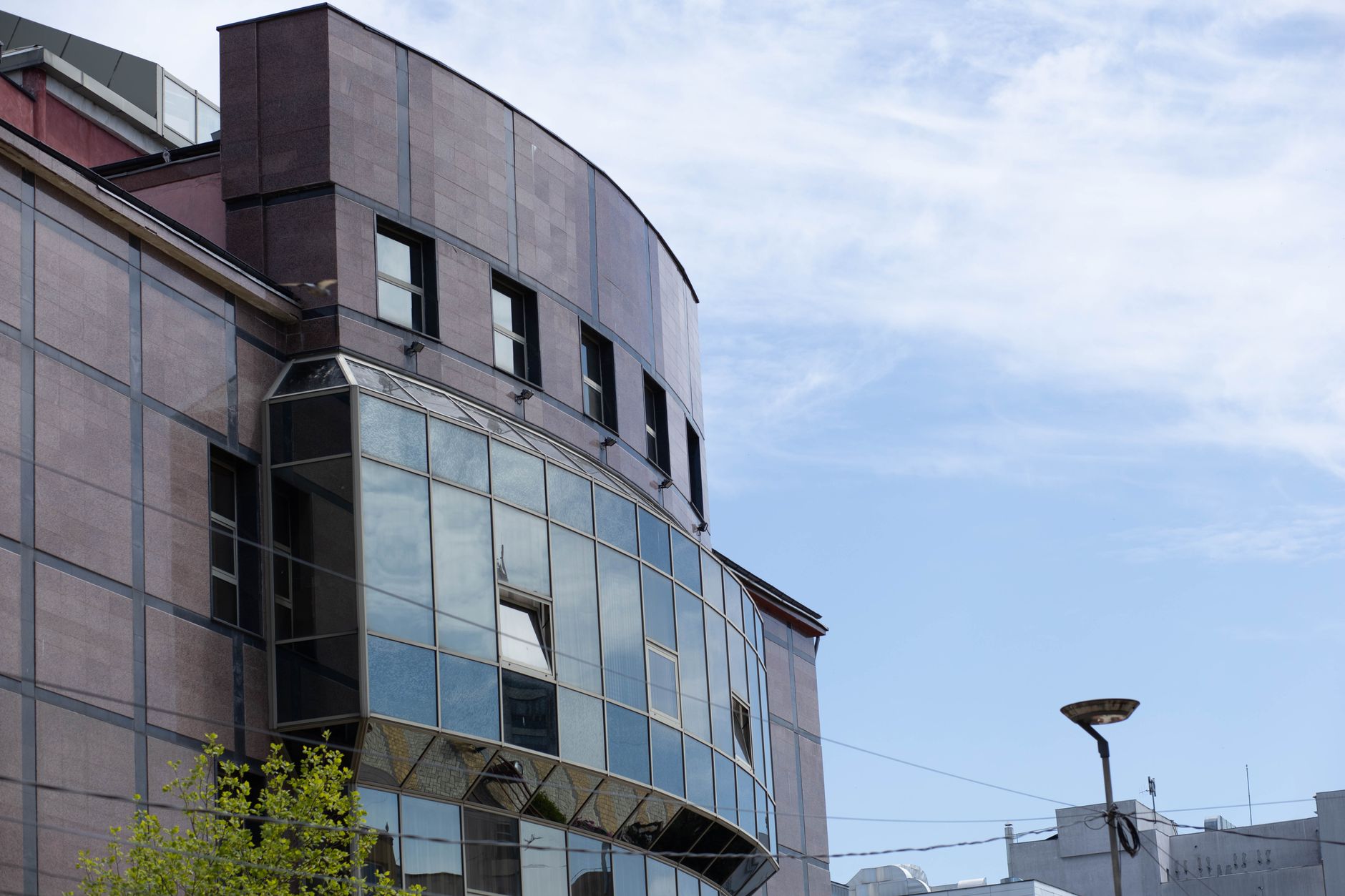
At a sunlit commercial office building near East Third Avenue in downtown San Mateo, engineering teams are quietly celebrating a massive financial milestone. Fireworks AI just closed an eye-watering $1.5 billion Series D funding round to scale its platform that helps corporations train and fine-tune artificial intelligence models on their own internal data. This massive deal reflects a broader trend playing out across the Golden State this autumn, where California AI startup funding has captured nearly ninety percent of all venture dollars invested nationwide. From San Francisco down through Silicon Valley, top-tier venture firms like Sequoia Capital, Andreessen Horowitz, and Founders Fund are turning away from speculative software concepts and directing billions toward physical hardware, custom silicon, and enterprise-grade infrastructure.
The Shift From Chatbots to Custom Silicon and Infrastructure
The recent wave of California AI startup funding reveals a clear strategic pivot by institutional investors. Venture capitalists are no longer enamored with generic text generators or simple software wrappers. Instead, capital is moving down the stack into deep compute systems, specialized inference chips, and proprietary enterprise data pipes. Just a short drive south along Highway 101 in Mountain View, chip innovator MatX secured $500 million in Series B funding to design specialized hardware engineered exclusively for massive reasoning models. Meanwhile, Palo Alto-based SambaNova finalized the first closing of a $1 billion Series F round at an $11 billion valuation, proving that the corporate appetite for high-performance computing systems remains unsated. In San Jose, adaptive technology creator Hark brought in a stunning $700 million Series A round backed by NVIDIA and Salesforce Ventures to build personalized context-aware systems combining custom hardware and generative software. Etched in Sunnyvale is pursuing a similar trajectory, doubling down on specialized inference chips designed to run models faster and cheaper than standard GPUs. When you examine where the largest checks are clearing, the takeaway is undeniable: venture capital is backing companies that build physical moats, proprietary chips, and core foundational technology rather than superficial user interfaces.
Creative AI Engines and Defense Capital Reshape Southern California
This historic flow of private capital extends far beyond Silicon Valley. Down in Culver City, El Segundo, and Pasadena, Southern California is securing a dominant footprint in defense hardware and generative creative engines. Los Angeles-based Musical AI recently closed a $4.5 million seed round to build tools that protect artist copyright while facilitating music generation, while 3D asset creator Meshy AI secured $400 million in Series B backing. When combined with multi-billion dollar capital raises for defense tech giants like Shield AI and Anduril Industries, Southern California now accounts for four of the top twenty-five largest venture funding deals across the entire country this year.
The venture landscape has fundamentally pivoted from funding clever software interfaces to financing physical hardware, specialized chips, and proprietary enterprise data pipelines.
This geographical expansion demonstrates that California AI startup funding is no longer confined to the traditional corridors of Sand Hill Road. PitchBook data reveals that second-ranked New York attracted less than one-thirteenth of the venture capital that California firms captured over the past quarter. California remains the gravitational center of global technology investment because it uniquely combines world-class research universities, deep hardware manufacturing expertise, and an unmatched concentration of senior engineering talent.
How Venture Liquidity Reshapes Silicon Valley Real Estate
Venture infusions of this magnitude do not stay isolated on institutional balance sheets for long; they spill directly into local physical real estate. In downtown San Mateo and along University Avenue in Palo Alto, commercial office leasing has experienced a sharp uptick as newly capitalized startups expand their research labs and engineering footprints. Commercial landlords in San Francisco and Santa Clara report growing demand for specialized facilities capable of delivering high-density power and custom cooling infrastructure for on-site server hardware. At the same time, residential housing markets across Silicon Valley are feeling the immediate impact of these liquidity waves. According to the California Association of Realtors 2026 forecast, inventory remains constrained across premier peninsula ZIP codes like 94301 in Palo Alto and 94401 in San Mateo. Senior AI researchers and founders armed with refreshed equity packages and substantial retention bonuses are driving competitive bidding wars for single-family homes in San Jose and Sunnyvale. Even with elevated mortgage interest rates, home values in these tech-heavy pockets continue to demonstrate strong resilience, supported by high-earning buyers turning venture gains into premier real estate assets.
The Long Term Horizon for California Tech Hubs
When a startup in San Mateo raises $1.5 billion or a chip maker in Mountain View secures half a billion dollars, the economic ripples extend through every corner of the regional economy. Tech workers are converting startup equity into long-term investments, purchasing homes in Pasadena, leasing creative office spaces in Culver City, and anchoring retail growth in downtown San Jose. As California AI startup funding sets consecutive records quarter after quarter, the relationship between venture capital deployment and urban development has never been clearer. Capital is no longer just betting on digital bits; it is actively constructing the physical infrastructure, office labs, and residential communities of tomorrow.
Frequently Asked Questions
Which California cities are attracting the most AI startup funding right now?
San Mateo, Mountain View, Palo Alto, San Jose, and San Francisco lead Northern California in funding volume, particularly for compute infrastructure and chip design. In Southern California, cities including Culver City, Pasadena, San Diego, and El Segundo are seeing significant funding for defense technology, 3D asset creation, and music generation engines.
Why are venture capital firms shifting investments away from consumer chat applications?
Investors are prioritizing companies with deep technical moats, such as proprietary inference chips, specialized compute hardware, and enterprise data fine-tuning tools. Surface-level software wrappers are vulnerable to underlying base model upgrades, whereas hardware and core data infrastructure provide sustainable long-term value.
How does major AI funding affect local California housing markets?
Substantial venture rounds generate liquidity, employee stock options, and hiring sprees, which directly stimulate housing demand. High-earning tech employees and founders actively compete for single-family homes in tight housing markets like Palo Alto, San Mateo, and San Jose, helping sustain strong real estate price points despite broader economic headwinds.
Ecomstation.ai
