San Ramon Leads California Residential Construction Starts Surge
Khushboo Siddhiwala
Sep 8, 2026 · 6 min read
Story
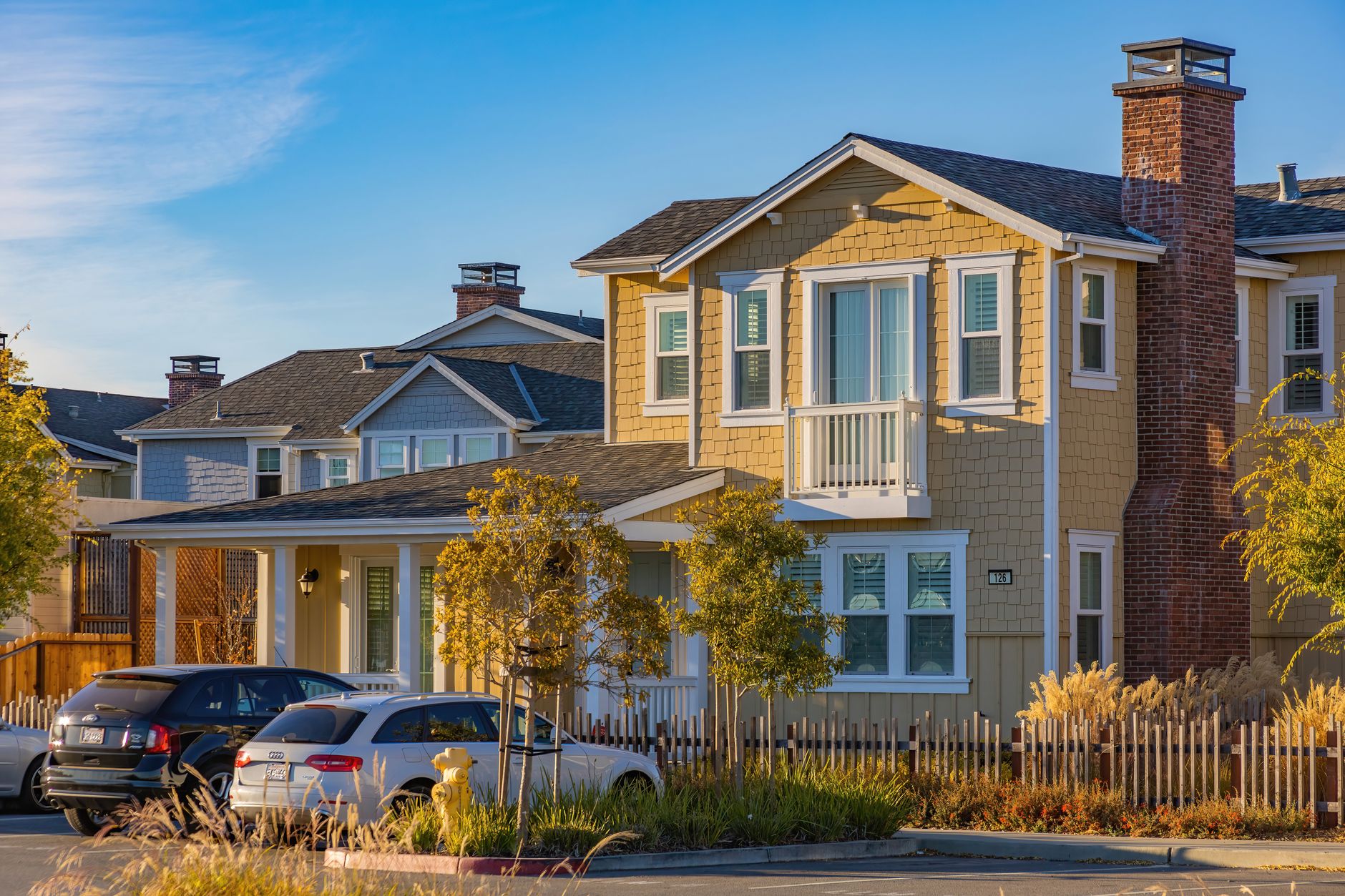
On August 24, 2026, a quiet filing dropped into the planning database of San Ramon that signaled a massive shift in how suburban land is valued. The application, designated as PHD 2026-0002, proposes a dense townhome development by ROEM at 2251 San Ramon Valley Boulevard, a site currently zoned for village center mixed-use. This move highlights a sudden acceleration in California residential construction starts as developers pivot away from sprawling luxury estates toward high-density suburban infill. For years, quiet enclaves in Contra Costa County resisted this density, but state mandates and shifting buyer preferences have forced a rewrite of local zoning playbooks. The project represents a broader statewide trend where builders are bypassing traditional single-family models to capture a market of buyers who want suburban safety without the maintenance of a half-acre yard.
Local planners are finding their hands tied as builders use state housing laws to push through developments that would have been laughed out of city chambers five years ago. This ROEM proposal is not an isolated incident; it is a direct response to a statewide supply deficit that has reached a boiling point. Buyers looking at the current inventory in the East Bay are met with bidding wars for outdated mid-century homes, forcing them to look at upcoming townhome communities as their only viable entry point into highly rated school districts.
The Transit-Oriented Density Wave
To understand why developers are suddenly targeting suburbs like San Ramon, one must look at the legal framework that took effect on July 1, 2026. Senate Bill 79, also known as the Abundant and Affordable Homes Near Transit Act, has effectively stripped local municipalities of their power to block mid- and high-density housing projects near major transit hubs. This law targets eight key counties, forcing a dramatic transformation in metropolitan areas like Los Angeles, where parking lots and low-rise commercial blocks are being rapidly rezoned for residential towers. By overriding local height and density limits, SB 79 has unleashed a wave of speculative land buying, with developers paying premium prices for run-down strip malls within a half-mile of transit lines.
This legislation has effectively neutralized the NIMBY opposition that historically stalled development for decades. In Southern California, where the Orange County Housing Market Update for September 2026 indicates a stabilizing yet inventory-starved landscape, this policy shift is revolutionary. Builders are no longer begging for zoning variances; they are demanding them as a matter of state law. Consequently, we are seeing a massive spike in California residential construction starts targeted specifically at multi-family units near light rail corridors. Investors who previously focused on suburban subdivisions are redirecting capital to transit-adjacent parcels, recognizing density as the only profitable path forward under current labor constraints.
Navigating the Capital Bottleneck
While the regulatory path has cleared, the financial reality remains complex. Reports from Enterprise Community Partners indicate that nearly forty thousand affordable homes are stalled across the state, awaiting final funding. In San Francisco, where construction costs routinely exceed one million dollars per unit, developers must assemble complex capital stacks involving state tax credits, local housing bonds, and private equity. The C.A.R. 2026 California Housing Market Forecast highlights that while interest rates have moderated, traditional lenders keep a tight grip on construction loans, wary of inflation. This tight credit environment has created a stark divide in California residential construction starts between institutional builders and smaller local developers.
The era of cheap money and easy suburban sprawl is over, replaced by a hyper-focused race for density where only the most financially creative developers survive.
Those who can secure funding are focusing on mixed-income developments that leverage state density bonuses to maximize their return on investment. This has led to a surge in creative joint ventures, where non-profit affordable housing developers team up with market-rate builders to share the burden of infrastructure costs. For the average buyer in Oakland, this means that the next wave of available inventory will look vastly different from the master-planned communities of the past, consisting instead of mid-rise developments with integrated retail spaces.
Redesigning the Suburban Commute
This structural shift is redefining the physical layout of California's suburban fringe. In cities like Sacramento, the traditional commute is being replaced by a desire for self-contained, walkable neighborhoods that blend housing, workspace, and transit. Architects are moving away from the car-centric designs of the late twentieth century, focusing instead on shared green spaces, micro-retail bays, and integrated co-working hubs. This design evolution is particularly visible in the central valley and inland empire, where affordable land has historically driven horizontal sprawl.
Today, even conservative suburban councils are accepting that building upward is the only way to retain young professionals who refuse to spend two hours a day on the freeway. This shift is also driving a quiet revolution in modular construction, as builders seek to bypass the chronic shortage of skilled labor that has plagued the industry since the pandemic. By assembling entire apartment units in off-site factories and trucking them to site locations in cities like Pasadena, developers are shaving months off construction timelines and significantly reducing neighborhood disruption. This industrialization of homebuilding is expected to provide a much-needed boost to California residential construction starts in the latter half of 2026, offering a scalable solution to a crisis that has defied traditional policy interventions. The result is a suburban landscape that feels more urban, connected, and resilient to economic shocks.
The Downtown Resurgence and Mixed-Use Future
The ultimate battleground for this housing transformation is taking place in California's urban cores, where commercial vacancies have forced a radical rethink of downtown real estate. Sponsoring organizations like California YIMBY are pushing new legislation in 2026 to accelerate the conversion of empty office towers and shuttered retail districts into vibrant residential communities. In San Jose, city planners are actively streamlining the approval process for adaptive reuse projects, transforming dead commercial zones into high-density neighborhoods. This policy push aligns with a broader demographic shift as younger buyers prioritize proximity to cultural amenities and public transit over suburban square footage.
The commercial-to-residential conversion process is notoriously difficult, requiring massive structural overhauls to plumbing, electrical, and HVAC systems, yet the sheer volume of vacant office space makes it an unavoidable frontier for development. As these projects gain momentum, they are set to redefine the baseline for California residential construction starts, shifting the focus from peripheral suburban expansion to intensive urban regeneration. For real estate investors, the message is clear: the value is no longer in the land itself, but in the regulatory flexibility and transit connectivity associated with it. The neighborhoods that embrace this high-density, mixed-use future will thrive, while those that cling to exclusionary zoning models will find themselves left behind in an increasingly dynamic economy.
Frequently Asked Questions
How does Senate Bill 79 affect local single-family zoning laws? Senate Bill 79 overrides local zoning limits to allow high-density housing developments near major public transit stops in eight California counties, effectively bypassing municipal restrictions on height and density for transit-oriented projects.
Why are developers focusing on townhomes in suburbs like San Ramon instead of traditional single-family homes? High land costs, strict state housing mandates, and changing buyer demographics have made high-density townhomes more financially viable and attractive to buyers who prioritize transit access and low-maintenance living over large yards.
What is stalling the construction of affordable housing units across California? Despite favorable zoning changes, nearly forty thousand planned affordable units are currently stalled due to a complex funding pipeline, high material inflation, and tight lending standards from traditional commercial banks.
Ecomstation.ai