Santa Barbara’s 31% Surge: Unpacking the California Housing Market 2026
Khushboo Siddhiwala
Nov 5, 2026 · 5 min read
Story
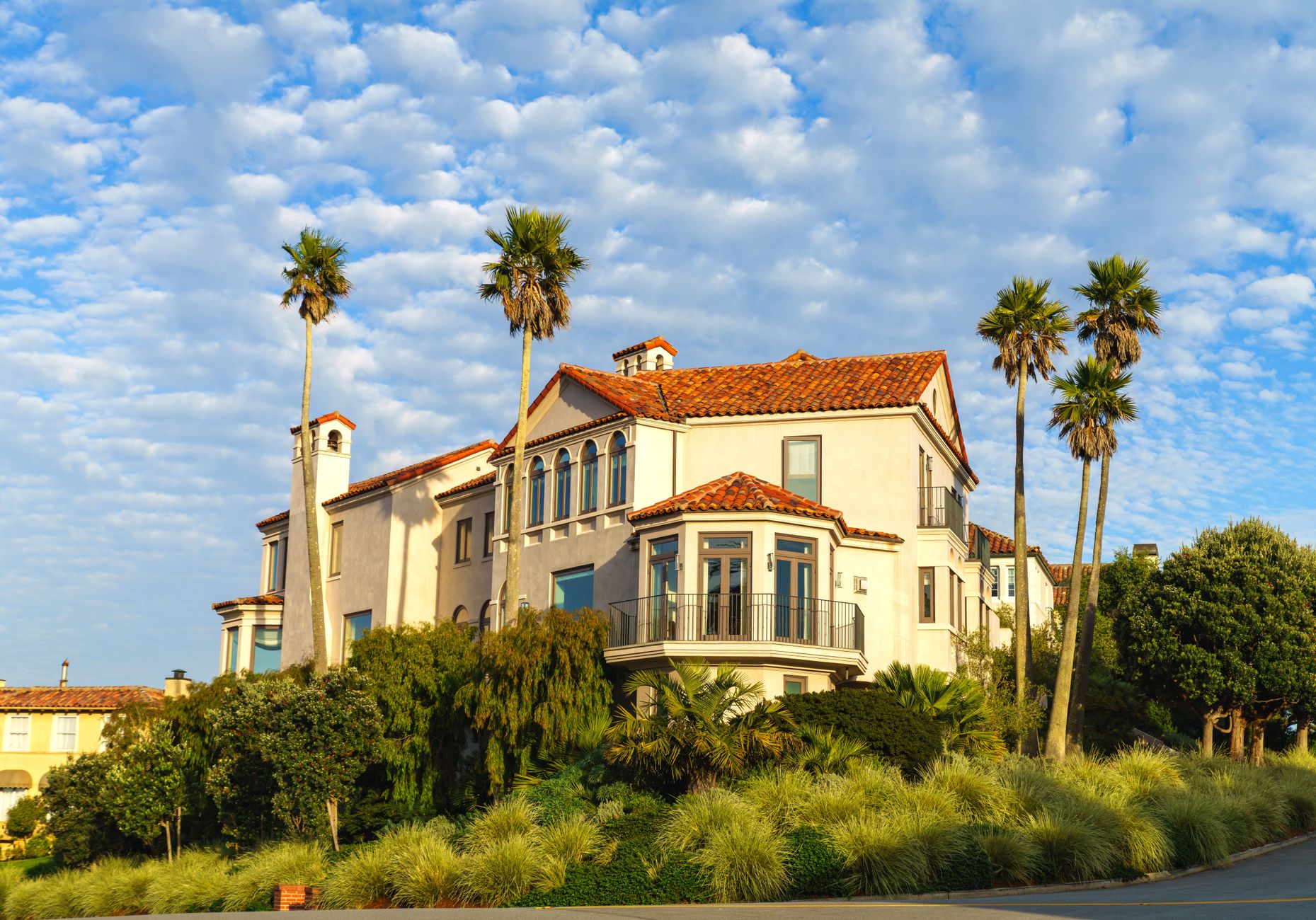
On a sun-drenched Tuesday morning along Santa Barbara’s Upper Riviera, a restored 1928 Spanish Revival villa listed at $4.2 million went pending in under ninety-six hours, selling above asking price to an artificial intelligence executive relocating from Silicon Valley. That single transaction highlights the central paradox shaping the California housing market 2026. While aggregate metrics from statewide real estate reports paint a picture of a broad cooling period with an average California home value of $761,538, micro-pockets across the state are experiencing hyper-competitive runs. Santa Barbara recorded an eye-watering 31.8 percent year-over-year increase in median sales prices, proving that regional demand retains massive momentum.
Buyers who assume the broader state slowdown offers universal discount opportunities are miscalculating. Across coastal enclaves and mountain sanctuaries, liquid equity generated by this year’s $242 billion venture capital surge into artificial intelligence infrastructure is seeking tangible real estate assets. As early November 2026 holiday events kick off across Southern California, serious buyers are acting aggressively on scarce prime inventory before winter seasonal lulls take hold.
The Micro-Market Explosion in Santa Barbara and Truckee
Understanding the current landscape of the California housing market 2026 requires discarding statewide generalities. Aggregate data shows total California home values hovering at an average of $761,538, reflecting a modest 0.6 percent annual growth rate with homes staying on market for a median of twenty-four days. Yet beneath this tranquil surface lies extreme local divergence.
While dense urban cores navigate inventory friction, resort and coastal retreat hubs are breaking historical records. Truckee leads the state with a dramatic 50.4 percent year-over-year price growth, while Santa Barbara follows closely with its 31.8 percent surge. What drives these isolated price expansions is not mass migration, but high-intent equity concentrated in low-inventory zip codes. High-net-worth buyers are prioritizing lifestyle density, capital safety, and proximity to regional airports. When single-family home inventory in Santa Barbara drops by even a dozen listings, single-digit buyer pools trigger immediate bidding wars that dramatically push median price points upward.
San Francisco and the Great Coastal Recalibration
Shift northern focus to San Francisco, where the real estate narrative tells an entirely different story of structural equilibrium. The Zillow Home Value Index for San Francisco currently stands at $1,441,021, yet the median list price of active listings sits significantly lower at $1,295,000. Asking prices on active inventory sitting below the overall index figure signal an uncharacteristic seller concession: homeowners are pricing aggressively to capture motivated fall buyers.
This pricing dynamic creates a unique window in San Francisco. Tech founders and engineering leaders relying on tools like Launch AI Jam to automate startup operations are retaining substantial private liquidity. Rather than chasing inflated suburban inventory, these buyers are returning to iconic San Francisco neighborhoods like Pacific Heights and Noe Valley, securing properties at price levels that have normalized after years of volatility. The friction between high index valuations and lower active listing prices means cash-fluid buyers hold genuine structural advantage at the closing table.
Los Angeles and San Diego Hold the Middle Ground
Further south, Los Angeles presents a steady picture of resilient demand. The Los Angeles Zillow Home Value Index rests firmly at $927,891, reflecting a market where well-priced architectural homes in Westside neighborhoods clear quickly, while overpriced properties sit untouched. As early November holiday street fairs and cultural festivals launch across Los Angeles this week, local brokerage activity remains steadily humming despite seasonal distraction.
The real story of this market is not a widespread crash or runaway inflation, but an unprecedented geographic divergence where select ZIP codes operate in entirely separate economic realities.
Meanwhile, San Diego continues its steady upward trajectory, posting a median home price of $979,000 over recent months, representing a 3.4 percent year-over-year increase. San Diego benefits from a diversified buyer pool fueled by biotech expansion, defense technology spending, and executive relocations. Homes across coastal San Diego county move to pending status within three weeks, driven by buyers who view sub-million-dollar inventory in coastal Southern California as an increasingly rare asset class.
Reading the Signals Before the 2027 Horizon
The latest housing market forecasts from the California Association of Realtors suggest that the current polarization between stagnant mid-tier submarkets and surging high-tier enclaves will persist into late 2026 and early 2027. The broader state market may feel cold on paper due to elevated mortgage rates keeping entry-level buyers on the sidelines, but luxury coastal locations remain stubbornly competitive.
Navigating the California housing market 2026 demands absolute geographic granularity. A buyer sitting in Sacramento watching inventory accumulate might expect broad price cuts, but applying that same logic to Santa Barbara or Truckee will result in missed opportunities. Wealth created in high-tech economic centers continues to flow directly into real estate micro-climates that offer long-term scarcity. The strategic imperative for buyers and investors today is clear: stop analyzing California as a single housing market, and start analyzing block-by-block equity flows.
Frequently Asked Questions
Is the California housing market dropping in 2026?
No, overall California housing market prices remain stable, though aggregate growth is modest. While statewide home values average around $761,538 with a 0.6 percent year-over-year increase, individual cities vary wildly. Some urban centers show flat pricing while high-demand enclaves like Santa Barbara and Truckee have seen year-over-year price increases over thirty percent.
Why are home prices surging in Santa Barbara and Truckee compared to major cities?
Santa Barbara and Truckee are experiencing sharp price growth due to extremely limited housing inventory paired with influxes of high-net-worth capital, particularly from technology and AI sectors. High demand for primary and secondary residences in scarce geographical areas pushes median prices up far faster than in higher-density metropolitan areas like Los Angeles or San Francisco.
How do San Francisco asking prices compare to actual home values in late 2026?
In San Francisco, the median list price of homes for sale sits at approximately $1,295,000, which is lower than the Zillow Home Value Index of $1,441,021 for the area. This indicates sellers are pricing listings competitively to attract qualified buyers quickly, offering strategic entry points for buyers with strong financing or cash reserves.
Ecomstation.ai