Santa Monica's 98-Cent Dollar: What the City's Tightest Sale-to-List Ratio Tells You About Who Actually Wins Here
Khushboo Siddhiwala
May 20, 2026 · 4 min read
Story
On a Tuesday morning in late April, a renovated two-bedroom townhome on Hill Street in Sunset Park listed at $1.895 million and received three offers within five days. It closed at $1.86 million — two percent below asking, right on the statistical nose. To an outsider, that hairline discount sounds like a concession. To anyone who has been watching Santa Monica for the past decade, it sounds like a city that has finally figured out exactly what it is worth, and is no longer apologizing for it.
The numbers coming out of Santa Monica in the spring of 2026 tell a story that resists the tidy narratives real estate markets usually invite. This is not the frenzied seller's market of 2021, when bidding wars broke out over bungalows with original 1950s kitchens and buyers waived inspections like they were tipping a valet. Nor is it the quietly anxious buyer's market some predicted when interest rates climbed and tech layoffs rippled through the Westside's professional class. The sale-to-list ratio sitting at 98 percent, with homes selling on average 1.89 percent below asking price as of March 2026, suggests something rarer and more useful: equilibrium. Santa Monica has become a market where pricing discipline is rewarded, where sellers who list at fantasy numbers are quietly humbled, and where serious buyers who come prepared are actually closing deals.
What makes this equilibrium worth examining is who is establishing it. The buyers landing homes in Santa Monica right now are not the speculative investors chasing appreciation in emerging neighborhoods, the kind who made their names flipping mid-century ranches in Eagle Rock or betting early on Frogtown. The people writing offers on Georgina Avenue and in the blocks south of Montana — where the 671 active rental listings and a modest 1.35 percent year-over-year rental increase suggest the ownership market remains the real prize — are people who have already made their money and are now spending it on certainty. Doctors, entertainment attorneys, the quieter echelon of the tech executive class, transplants from the Bay Area trading a San Francisco Victorian for a Santa Monica courtyard and two fewer hours of weekly commuting anxiety. They are buying permanence in a city that offers something increasingly scarce in Los Angeles: the sense that things will not change too drastically.
That scarcity is partly geographic and partly regulatory. Santa Monica is bounded — by the ocean to the west, by the city of Los Angeles pressing in from every other direction, by a Rent Control Charter Amendment that has shaped the rental market since 1979 and continues to limit the kind of wholesale redevelopment that has transformed Hollywood and Culver City. There is no new supply arriving to soften prices. The 350 active listings tracked in early spring of 2026 represent a five percent year-over-year decline, and the pipeline of new construction that might meaningfully move that number simply does not exist in a city where the planning commission meets with the air of an organization that has already decided its answer.
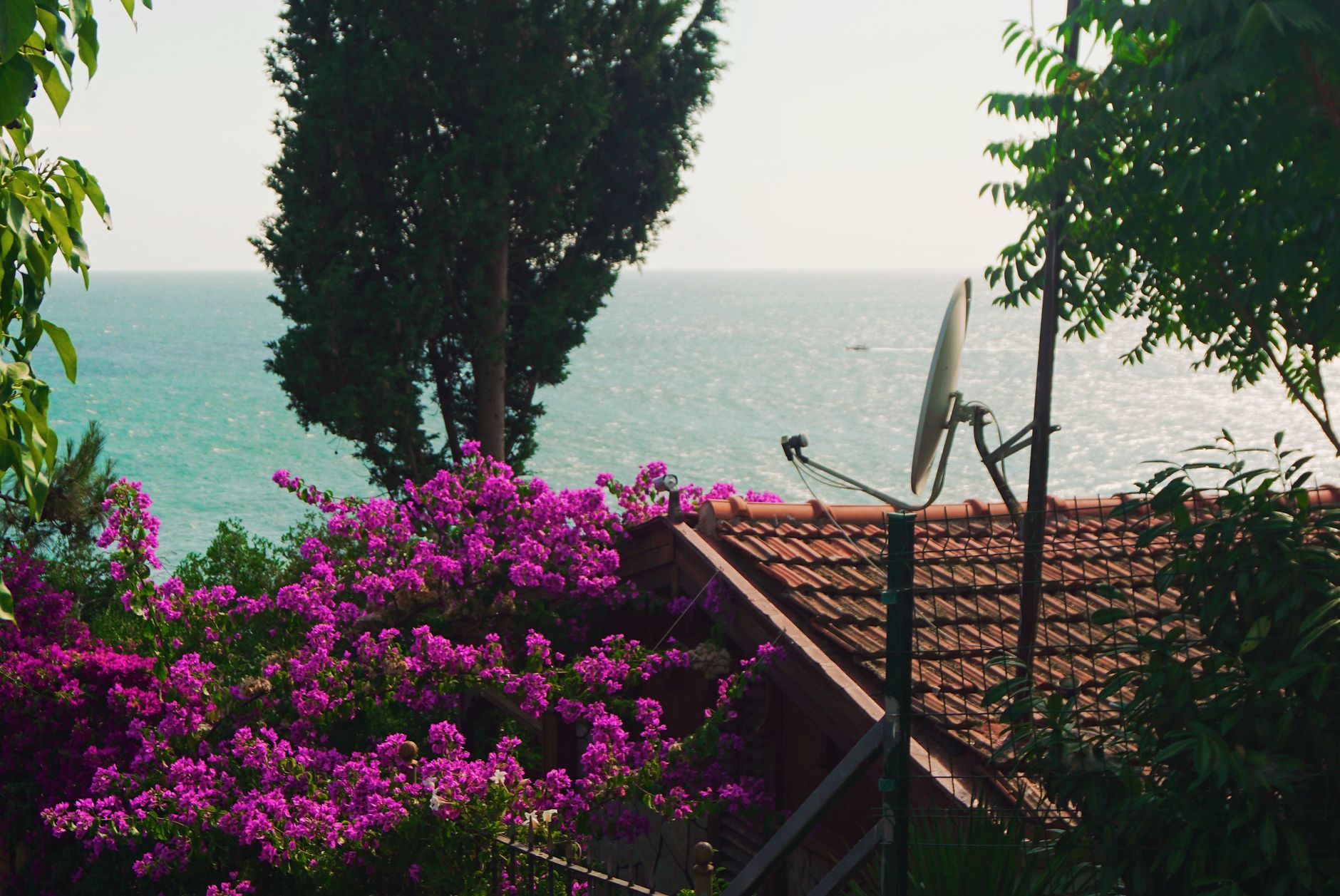
For buyers entering at the $1.5 million to $2.5 million range — the city's most competitive tier — expectations need calibrating. This is not a budget that buys you the Santa Monica of imagination: the garden walled in bougainvillea, the guest house, the kitchen that looks like a Williams Sonoma catalog shoot. It buys you a renovated two-bedroom in Sunset Park, a 1,100-square-foot bungalow on a quiet street north of Pico that needs a new roof and the kind of cosmetic investment that real estate agents diplomatically describe as an opportunity. The trophy properties — the architectural statements on the north-of-Montana streets, the Ocean Avenue penthouses, the bluff-adjacent compounds — live in a separate economy above five million dollars, a market that has its own weather patterns entirely.
And yet the argument for Santa Monica in 2026 is not primarily about the properties themselves. It is about what the city delivers around them: a functioning downtown that survived its pandemic vacancy crisis with enough restaurants and independent retail intact to feel genuinely alive, a school district that middle-class families have not entirely abandoned, a bike infrastructure that is, by Los Angeles standards, quietly extraordinary, and a beach that remains, on a Wednesday morning before the tourists arrive, one of the most democratic and uncomplicated pleasures the city offers to anyone who lives within its borders.
The 98-cent dollar is not a discount. It is the price of admission to the most stable address on the Westside — and the buyers who understand that are the ones who are not waiting for a better moment that is almost certainly not coming.
Ecomstation.ai
